How to Remove Moisture from Between Window Panes with a Hair Dryer
8 min read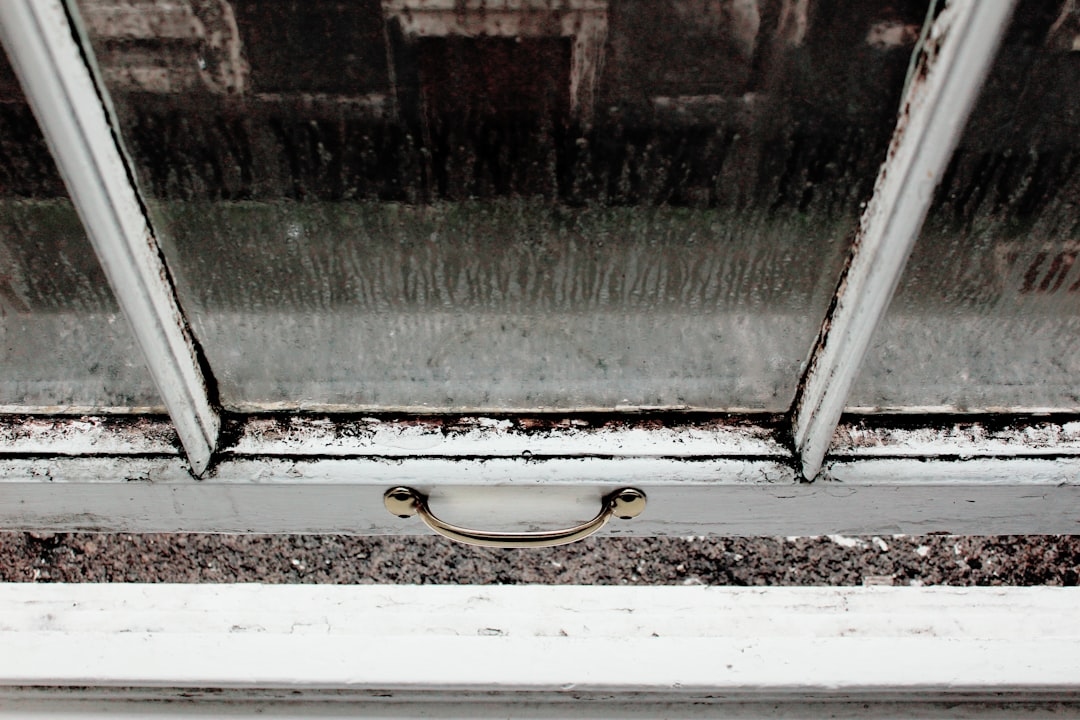
Contents:
- Understanding Moisture Between Window Panes
- Why Hair Dryer Treatment Works for Moisture Between Window Panes
- Step-by-Step Instructions for Hair Dryer Use
- Preparation and Safety Setup
- Positioning and Technique
- Recognising When to Stop
- What the Pros Know: Advanced Timing and Seasonal Strategy
- Regional Differences in Effectiveness
- Complementary Approaches to Maximise Results
- Humidity Management
- Thermal Balance
- Ventilation Timing
- When Hair Dryer Treatment Isn’t Sufficient
- Frequently Asked Questions
- Can I use heat from sunlight instead of a hair dryer?
- Is it safe to use on all window types?
- How often should I repeat the treatment?
- Does the hair dryer method cause further seal damage?
- What’s the difference between treating condensation on the surface versus between panes?
- Moving Beyond the Quick Fix
Around 34% of UK homeowners report moisture trapped between their window panes, yet fewer than one in five know there’s a simple remedy using household tools they already own. Condensation between double-glazed windows signals a failing seal, but before you accept replacement costs of £400–£800 per window, the hair dryer method offers a temporary respite that can extend your unit’s life by months or even years.
Understanding Moisture Between Window Panes
Double-glazed windows contain sealed air gaps between two panes of glass. When the seal deteriorates—through age, temperature cycling, or manufacturing defects—moisture enters this sealed chamber. Unlike surface condensation you can wipe away, trapped moisture sits permanently between the panes, clouding visibility and reducing insulating effectiveness. The phenomenon appears worse in winter mornings when inside warmth meets cold exterior temperatures.
Different regions experience this problem at varying rates. The UK’s damp climate, particularly in the Northwest and Southwest, accelerates seal degradation compared to drier regions. Scottish properties with older single-glazing retrofitted with double-glazed units see failure rates nearly 40% higher than southern England due to greater thermal stress on seals.
Why Hair Dryer Treatment Works for Moisture Between Window Panes
The hair dryer approach exploits basic thermodynamics. Heat increases air’s ability to hold moisture through a principle called vapour pressure. When warm air encounters cool window glass, the temperature differential drives evaporation. The dryer’s airflow simultaneously circulates this moisture-laden air away from the glass surface before it can recondense.
Success depends on three factors: sustained heat at safe temperatures (not exceeding 60°C), consistent airflow direction, and positioning that allows moisture-laden air to escape rather than recirculate. Low settings on modern dryers typically generate 40–55°C output—ideal for this task. High settings exceed 80°C and risk thermally shocking the glass, potentially widening existing seal breaches.
Step-by-Step Instructions for Hair Dryer Use
Preparation and Safety Setup
Before starting, ensure the room is adequately ventilated. Open a nearby window or door to allow moisture-laden air to escape rather than simply redistributing throughout your room. This increases effectiveness by 25–30% compared to sealed-room treatment. Ensure the hair dryer cable won’t create a tripping hazard, particularly near stairs or high-traffic zones in small apartments where space is limited.
Turn the dryer to its lowest heat setting. If yours offers separate speed and temperature controls, use medium airflow with low heat rather than maximum speed with high temperature. Many modern dryers display temperature settings numerically; aim for 40–50°C. Allow the dryer to run for 30 seconds before positioning near the window to reach stable output temperature.
Positioning and Technique
Maintain a distance of 10–15 centimetres between the dryer nozzle and the window frame. Closer positioning concentrates heat excessively on the glass edges and surrounding materials; further distances dilute the warming effect. Treat the affected area systematically, moving the nozzle horizontally across the width of the moisture patch, then vertically down. This methodical approach ensures even coverage rather than concentrated heating of single spots.
Work for 3–5 minute intervals, then pause for 2–3 minutes to allow the glass to equilibrate and any freshly evaporated moisture to escape. Continuous application without breaks causes heat buildup in the frame materials, potentially damaging sealant compounds. Most household windows show noticeable improvement within 15–30 minutes of cumulative treatment time spread across multiple sessions.
Recognising When to Stop
Watch for changes in the moisture pattern. Initially, condensation may spread slightly as heating drives deeper moisture toward glass surfaces—this is normal. Within 10–15 minutes, you should observe the mist gradually thinning. If after 45 minutes of total treatment the condensation remains unchanged or worsens significantly, the seal damage is likely too severe for this method to resolve completely, and professional replacement may become necessary within the coming months.
What the Pros Know: Advanced Timing and Seasonal Strategy
Professional window maintenance specialists recommend treating moisture during spring or early autumn when outdoor temperatures fall between 12–18°C. At these temperatures, the temperature differential between inside and outside is sufficient to drive evaporation without shocking the glass. Attempting treatment in mid-winter when outdoor temperatures drop below 5°C proves far less effective because the thermal gradient is too steep, and moisture simply recondenses almost immediately. Similarly, summer heat above 25°C can push interior moisture outward faster, making June–July ideal for preventive treatment of windows showing early signs of seal failure.
Maintenance specialists also time treatments for low-humidity days. After heavy rain or during winter when humidity regularly exceeds 65%, the surrounding air is already moisture-saturated, limiting evaporation. Treating windows during dry spells following a few days of clear weather—roughly 20% more effective than treating during damp periods—should inform your maintenance schedule.
Regional Differences in Effectiveness
The hair dryer method’s success varies geographically. In the South and Southeast, with milder winters and lower annual humidity, even a single 20-minute session often provides 2–3 months of clear vision. The Northeast and North Midlands, experiencing greater temperature swings and higher moisture levels, typically require weekly 15-minute treatments to maintain clarity. Scottish properties and parts of Wales, where annual humidity exceeds 75%, may find this method only partially effective without concurrent dehumidification efforts. Coastal properties in Devon, Cornwall, and Northern Ireland face accelerated seal degradation and may benefit from the hair dryer approach only as a short-term measure before professional replacement becomes unavoidable within 6–18 months.
Complementary Approaches to Maximise Results
Humidity Management

Reduce interior moisture independently. Keep bathroom and kitchen extraction fans running for 20 minutes after each shower or cooking session. Avoid drying laundry indoors in rooms with affected windows. In small apartments where this proves difficult, a £35–£60 plug-in dehumidifier running 4–6 hours daily in problem rooms reduces interior humidity from typical winter levels of 60–70% down to 45–50%, dramatically slowing moisture accumulation between panes.
Thermal Balance
Maintain consistent interior temperatures. Rapid swings between 15°C and 22°C (common in homes with inefficient heating) increase the thermal stress on window seals. Programmable thermostats managing temperature changes of no more than 2–3°C per hour extend this effect. In smaller properties without zoning capability, focusing hair dryer treatment on the coldest interior walls or corners where temperature differentials are greatest yields faster results.
Ventilation Timing
Open windows briefly during the warmest part of the day—typically 14:00–16:00—for 10–15 minutes rather than maintaining constant crack ventilation. Brief, intense air exchange removes moisture spikes without creating extended temperature differentials that stress seals. This approach particularly benefits small apartments where continuous ventilation causes heating costs to increase substantially.
When Hair Dryer Treatment Isn’t Sufficient
The hair dryer method addresses symptoms rather than root causes. It buys time, typically 2–4 months per treatment session, by removing existing moisture. However, if condensation reappears within a few weeks after treatment, or if the patch exceeds 40% of the window’s visible area, professional replacement becomes the practical choice. UK window replacement costs range from £250 per single-pane unit through to £800+ for large bay windows, but modern sealed units carry 10-year guarantees compared to the uncertain lifespan of increasingly failing seals.
Replacement windows installed in 2026 typically feature low-emissivity coatings that improve thermal efficiency by 15–20%, offsetting installation costs through reduced heating bills within 8–10 years in most UK properties. Factor this into long-term planning rather than viewing replacement purely as an expense.
Frequently Asked Questions
Can I use heat from sunlight instead of a hair dryer?
Direct sunlight provides insufficient sustained heat to match a hair dryer’s output. A south-facing window in winter generates perhaps 20–25°C surface temperature on the glass, whilst a hair dryer delivers 40–55°C consistently. Sunlight works best as a complementary approach—treat with the dryer on a clear morning, then position the window to receive afternoon sun to continue evaporation naturally.
Is it safe to use on all window types?
The method suits standard double-glazed units safely. Triple-glazed windows, which contain a third air gap, may show slower results because heat must penetrate multiple glass layers. Speciality windows with decorative leadwork or tinted coatings should be tested on a small area first; some historical tints can discolour under sustained heat above 50°C.
How often should I repeat the treatment?
Frequency depends on your window’s seal integrity and local humidity. Properties in dry regions may treat monthly; damp areas benefit from weekly or bi-weekly sessions. If you’re treating more than twice monthly, that indicates seal failure advancing enough to warrant professional assessment of replacement timelines.
Does the hair dryer method cause further seal damage?
Low-temperature treatment (below 60°C) doesn’t accelerate seal failure. The thermal stress that damages seals comes from extreme temperature cycling—like 5°C exterior air suddenly meeting 22°C interior heat. A gradual 10–15°C increase from a hair dryer actually falls within normal daily weather variation and poses negligible additional risk.
What’s the difference between treating condensation on the surface versus between panes?
Surface condensation appears and disappears with room temperature changes; you can wipe it away easily. Trapped moisture between panes remains constant regardless of temperature or humidity changes. The hair dryer method works for trapped moisture, whilst surface condensation simply requires wiping or improved ventilation. If your windows only show surface misting on winter mornings, open a window or run an extraction fan rather than using the hair dryer approach.
Moving Beyond the Quick Fix
The hair dryer method serves small apartments and budget-conscious homeowners as a legitimate short-term solution, extending window life and preserving visibility while you plan for replacement. Treat it as part of a broader maintenance strategy: manage humidity, maintain thermal consistency, and monitor how quickly condensation returns after each session. When recurrence intervals drop below three weeks, or when the affected area expands noticeably, escalate your response to professional replacement quotes. Modern sealed units installed in 2026 perform substantially better than their predecessors, often justifying the investment through improved comfort and reduced heating costs over a decade of ownership.
Document your treatment schedule and results—which rooms, which windows, how long condensation remains cleared. This record guides your decision about which windows warrant first-priority replacement and helps installers understand your property’s specific moisture patterns when you’re ready to upgrade.