How to Make Hair Less Frizzy: A Complete Guide to Taming Unruly Hair
11 min read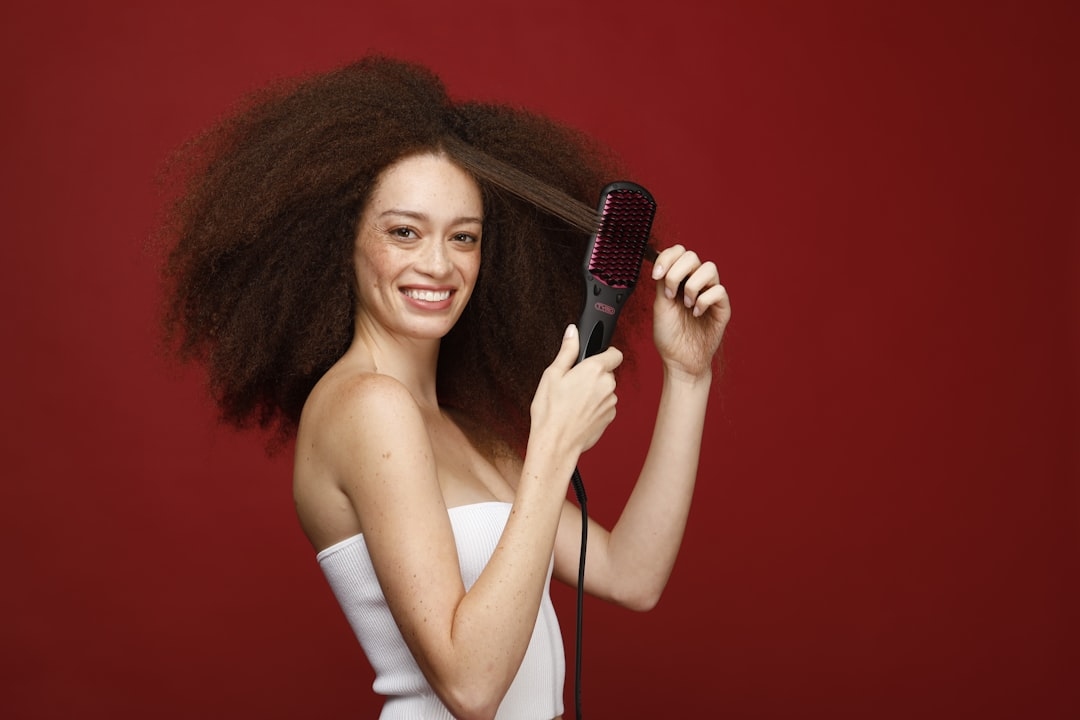
Contents:
- What Causes Frizz in the First Place
- The Difference Between Frizz Control and Smoothing Treatments
- Step 1: Start with Proper Hair Washing
- Choose the Right Shampoo and Conditioner
- Water Temperature Matters
- Step 2: Drying Your Hair the Right Way
- Avoid Rubbing with a Regular Towel
- Use a Blow Dryer with a Concentrator Nozzle
- Step 3: Apply Frizz-Control Products Strategically
- Leave-In Conditioner
- Serums and Oils
- Finishing Sprays
- Styling Techniques That Reduce Frizz
- The Plopping Method for Wet Hair
- Brush Technique
- Styling with Heat Tools
- A Reader’s Story: Sarah’s Journey to Frizz-Free Hair
- Budget Breakdown: What Does Frizz Control Really Cost?
- Special Considerations for Different Hair Types
- Curly and Coily Hair
- Fine Hair
- Thick, Coarse Hair
- Advanced Techniques: When Basic Methods Aren’t Enough
- Protein Treatments
- Smoothing Treatments
- Cutting Strategy
- Common Mistakes That Make Frizz Worse
- Frequently Asked Questions
- How long does it take to see improvement in frizz?
- Can I use coconut oil on my hair if I have fine or thin hair?
- Is it better to blow-dry or air-dry to reduce frizz?
- Do expensive hair products work better than budget brands for frizz?
- What’s the best way to fix frizz when I’m already out for the day?
- Moving Forward: Your Frizz-Free Strategy
You reach for the door on a drizzly Tuesday morning, and within seconds your carefully styled waves have transformed into a fuzzy cloud. Your fingertips brush the flyaways escaping from your bun, and you catch your reflection in the car window—frizz everywhere. Sound familiar? Millions of people wake up to this daily battle, and the good news is that how to make hair less frizzy isn’t some mysterious secret locked away by salon professionals. It’s a combination of understanding your hair, choosing the right products, and mastering a few practical techniques.
What Causes Frizz in the First Place
Before you can effectively tackle frizz, you need to understand why it happens. Frizz occurs when the outer layer of your hair—the cuticle—becomes raised or damaged, allowing moisture to penetrate the hair shaft. This causes your hair strands to swell and curl unpredictably, creating that dreaded halo effect. The primary culprit is humidity. When moisture in the air surrounds your hair, it tries to equalise the moisture balance inside and outside the strand, resulting in frizz.
However, humidity isn’t the only villain in this story. Damaged hair cuticles are far more susceptible to frizz than healthy ones. Heat styling without protection, harsh brushing, chemical treatments, and environmental damage all compromise your hair’s protective layer. Additionally, dry hair is inherently frizzier because it absorbs moisture desperately. Your hair needs internal moisture to stay smooth and glossy; without it, every strand becomes reactive and unmanageable.
Hair type matters too. Fine, curly, or textured hair tends to frizz more than thick, straight hair because the cuticle naturally stands further away from the hair shaft. Coily patterns create more surface area for moisture to interact with, making frizz control a particular challenge for people with wavy, curly, or coily hair.
The Difference Between Frizz Control and Smoothing Treatments
Here’s where many people get confused: frizz control and smoothing treatments aren’t the same thing, though they’re often marketed as if they are. Understanding this distinction will save you money and disappointment.
Frizz control products work by creating a protective barrier around your hair, sealing the cuticle and repelling moisture. They don’t permanently alter your hair structure. Think of them as an umbrella—they keep moisture out temporarily, but the effect washes away. These include serums, oils, creams, and leave-in conditioners designed specifically for frizz reduction. They’re gentler on your hair and work well for maintenance.
Smoothing treatments, by contrast, chemically alter your hair’s structure to permanently reduce curl and frizz. Treatments like keratin smoothing, Brazilian blowouts, or rebonding actually change how your hair behaves at the molecular level. These are more invasive and longer-lasting—typically lasting 2 to 4 months—but they require professional application and come with a higher price tag (usually £150 to £400 at UK salons).
For everyday frizz management, most people benefit from a combination approach: preventative care, frizz-control products, and proper styling technique. Reserve smoothing treatments for when you’re dealing with severely damaged or persistently unmanageable hair.
Step 1: Start with Proper Hair Washing
Your frizz-fighting strategy begins in the shower. The products you use and how you wash your hair set the foundation for everything else.
Choose the Right Shampoo and Conditioner
Harsh shampoos strip your hair of natural oils, leaving it dry and frizzy. Look for sulphate-free formulas designed for your specific hair type. If you have frizzy hair, you’re likely dealing with dryness, so prioritise hydrating or moisturising shampoos and conditioners. Expect to spend £8 to £15 per bottle for quality products from brands like SheaMoisture, Cantu, or Coco & Eve.
Condition thoroughly. This is non-negotiable. Apply conditioner from mid-length to ends, leave it on for at least 2 to 3 minutes (many people rinse too quickly), and consider a weekly deep conditioning treatment. A good deep conditioner costs £10 to £20 and can last several applications.
Water Temperature Matters
Hot water opens the hair cuticle, which sounds beneficial but actually makes you more vulnerable to frizz. The open cuticle lets moisture in during washing and makes your hair more porous after. Finish your wash with a cold rinse (or at least cool water) to seal the cuticle closed. This single step significantly reduces frizz for many people.
Step 2: Drying Your Hair the Right Way
How you dry your hair after washing has an enormous impact on frizz. Most people make critical mistakes here.
Avoid Rubbing with a Regular Towel
Your instinct to vigorously rub your hair dry with a standard towel is actually one of the worst things you can do. The friction raises the cuticle and roughens the surface, inviting frizz. Instead, use a microfibre towel or an old cotton t-shirt. Gently squeeze your hair to remove excess water—don’t wring it. The gentler you are, the smoother your hair will be.
Use a Blow Dryer with a Concentrator Nozzle
Air-drying can actually cause more frizz than blow-drying if you have humidity in your environment. A concentrator nozzle directs heat downward along the hair shaft, smoothing the cuticle. Set your dryer to medium heat and medium speed—high heat damages your cuticle and paradoxically increases frizz in the long term.
Start drying from the roots and work downward, always directing air downward along the hair. This keeps the cuticle flat. Don’t point the dryer upward or rough up your hair while it’s wet.
Step 3: Apply Frizz-Control Products Strategically
The right products make an enormous difference in how to make hair less frizzy throughout the day.
Leave-In Conditioner
Apply a leave-in conditioner to damp hair after washing, focusing on mid-lengths and ends. This provides moisture without the weight of traditional conditioner. Budget options like Cantu cost £6, while premium brands like Briogeo run £20 to £25 per bottle. A small amount goes a long way—you need only a coin-sized amount for shoulder-length hair.
Serums and Oils
Once your hair is about 80% dry, apply a smoothing serum or oil to tame flyaways and seal the cuticle. Argan oil, jojoba oil, and coconut oil are excellent natural options. Silicone-based serums like Frizz Ease or GHD Bodyguard are also effective and relatively inexpensive (£8 to £12). Use sparingly—too much product weighs hair down and creates a greasy appearance. A dime-sized amount is usually sufficient.
Finishing Sprays
A humidity-resistant hairspray acts as a final barrier against moisture. Hold it 15 to 20 centimetres from your hair and apply a light mist once your style is complete. This isn’t about hold; it’s about protection. Many brands offer anti-frizz spray formulas specifically designed for this purpose.
Styling Techniques That Reduce Frizz
Your styling method directly influences how much frizz you’ll experience during the day.
The Plopping Method for Wet Hair
If you blow-dry your entire head, you’re missing an opportunity to reduce frizz significantly. After applying your leave-in conditioner and serum to damp hair, use a microfibre towel to “plop” your hair. Simply wrap your hair in the towel and secure it on top of your head for 10 to 15 minutes. This absorbs moisture gently without friction. When you unwrap it, your hair will be smoother and require less blow-drying.
Brush Technique
Never brush or comb wet or damp hair unless necessary. Wet hair is more fragile and prone to breakage, which leads to frizz. If you must detangle damp hair, use a wide-tooth comb and work from ends to roots gently. Once dry, use a soft paddle brush or boar bristle brush rather than plastic combs, which create static and frizz.
Styling with Heat Tools

If you use a flat iron or curling tool, always—always—apply a heat protectant spray first. These products create a barrier between your hair and heat, preventing damage. Budget 5 to 10 pounds for a heat protectant bottle that lasts months. Use medium rather than high heat whenever possible. High temperatures damage the cuticle and create more frizz in the long run.
A Reader’s Story: Sarah’s Journey to Frizz-Free Hair
Sarah spent years blaming her hair texture for constant frizz, trying expensive smoothing treatments that barely lasted three months. Nothing seemed to work. She’d wake up, attempt to style her hair, and by noon, flyaways and poof had taken over. One day, a hairdresser asked her a simple question: “What’s your drying routine?” Sarah admitted she was rubbing her hair dry with a towel, using hot water, and blow-drying with high heat. The hairdresser suggested three changes: switch to a microfibre towel, use cool water rinses, and reduce heat settings. Within a week, Sarah noticed her hair was noticeably smoother. Within a month, she’d ditched the expensive treatments entirely. Her secret wasn’t a fancy product—it was technique. “I realized I was creating my own frizz problem,” she says. Today, Sarah’s routine costs under £40 per month and her hair looks better than it ever did with treatments costing ten times that amount.
Budget Breakdown: What Does Frizz Control Really Cost?
Let’s be honest—you might assume tackling frizz requires a significant investment. Here’s what you actually need to budget:
- Basic routine (monthly): £25 to £40. This includes a good shampoo (£8–£12), conditioner (£8–£12), leave-in conditioner (£6–£10), and a light serum or oil (£5–£8). These products last several months, so actual monthly cost is lower.
- One-time purchases: Microfibre towel (£5–£8), concentrator nozzle for your existing dryer (£3–£5), wide-tooth comb (£4–£6).
- Optional professional treatments: Keratin smoothing (£150–£400 every 3 months) or regular salon treatments (£30–£60 per visit).
- Premium products alternative: If you prefer luxury brands, budget £50–£80 monthly, but this isn’t necessary for results.
The takeaway: effective frizz control on a budget starts around £30 to £40 per month and remains affordable once you’ve made initial one-time purchases. You don’t need expensive treatments to see dramatic improvement.
Special Considerations for Different Hair Types
Curly and Coily Hair
Curly hair requires extra moisture because natural oils from your scalp travel more slowly down the curl pattern. Use moisturising shampoos and conditioners, skip traditional brushing entirely (use fingers or a wide-tooth comb instead), and embrace the curly girl method if applicable. Products like SheaMoisture Raw Shea Butter line are specifically formulated for this hair type and cost £8 to £12 per product.
Fine Hair
Fine hair frizzes easily because each strand is thinner and more vulnerable. Use lightweight leave-in conditioners and serums—full-weight products will weigh you down. Silicone serums are often better than oils for fine hair. Avoid heavy butters and creams.
Thick, Coarse Hair
Thicker hair can handle richer products. You may benefit from heavier oils like argan or coconut oil, and deeper conditioning treatments. Your main challenge is penetrating the thick cuticle, so moisturising products that are concentrated work better than lightweight ones.
Advanced Techniques: When Basic Methods Aren’t Enough
Protein Treatments
If your hair is damaged from heat styling or chemical treatments, a protein treatment can help. Protein fills in gaps in a damaged cuticle, reducing frizz temporarily. Use these monthly, not weekly—overuse can make hair brittle. Treatments cost £10 to £20 and work remarkably well for compromised hair.
Smoothing Treatments
If you’ve done everything above and still struggle, professional smoothing treatments offer longer-lasting results. Keratin treatments, Brazilian blowouts, and straightening systems work for 2 to 4 months and cost £150 to £400. Schedule these at a reputable salon and ask about aftercare—proper maintenance extends results and reduces damage.
Cutting Strategy
Damaged, split ends frizz more than healthy hair. Regular trims every 6 to 8 weeks remove damaged ends and make frizz less noticeable. Budget £25 to £45 per trim at a decent salon. This preventative approach saves money on treatments in the long run.
Common Mistakes That Make Frizz Worse
- Using too much product: More isn’t better. Excess product weighs hair down and can create greasiness or clumping.
- Touching your hair constantly: Every time you touch your hair, you rough up the cuticle. Resist the urge to run your fingers through your hair after styling.
- Skipping deep conditioning: Weekly deep conditioning transforms frizzy hair. This isn’t optional if you’re serious about results.
- Using the wrong brush: Plastic brushes create static. Boar bristle or paddle brushes are worth the investment (£8 to £15).
- Sleeping on cotton pillowcases: Cotton creates friction and frizz overnight. Switch to silk or satin pillowcases (£12 to £20) for noticeably smoother mornings.
- Neglecting heat protection: This is the easiest step to skip and the most damaging. Never heat-style without protection.
Frequently Asked Questions
How long does it take to see improvement in frizz?
You’ll notice immediate improvement in daily frizz within 1 to 2 weeks of adjusting your routine—better drying technique and frizz-control products make an instant difference. Deeper improvements to hair health (reduced breakage, smoother texture) take 4 to 6 weeks as you cycle through new hair growth. Be patient; lasting change comes with consistency.
Can I use coconut oil on my hair if I have fine or thin hair?
Coconut oil is heavy and can weigh down fine hair. Opt for lighter oils like jojoba, argan, or grapeseed oil instead. These provide moisture and frizz control without the weight. Apply oils to mid-lengths and ends, avoiding the scalp area on thin hair.
Is it better to blow-dry or air-dry to reduce frizz?
It depends on your environment. In dry climates, air-drying works fine. In humid environments, blow-drying with a concentrator nozzle gives you better frizz control because you’re sealing the cuticle quickly before humidity penetrates. Use medium heat and direct airflow downward for best results.
Do expensive hair products work better than budget brands for frizz?
Not necessarily. Many budget brands (Cantu, SheaMoisture, Coco & Eve) are genuinely effective for frizz control. The most important factor is choosing products suited to your hair type, not the price tag. Spend your money on technique and consistent products rather than premium brands alone.
What’s the best way to fix frizz when I’m already out for the day?
Keep a small bottle of serum or anti-frizz spray in your bag. A quick application to flyaways tames them temporarily. For more serious frizz, a silk scarf tied around your head or a bun secures loose hairs and looks intentional. In a pinch, slightly damp hands smoothed over flyaways work for a few hours.
Moving Forward: Your Frizz-Free Strategy
Making your hair less frizzy doesn’t require expensive treatments or complicated routines. Start with the fundamentals: sulphate-free shampoo, thorough conditioning, gentle drying with a microfibre towel and concentrator nozzle, and a frizz-control product suited to your hair type. Most people see significant improvement within weeks by simply adjusting their technique and choosing the right products for their needs.
Remember Sarah’s realisation—you might be creating more frizz than your hair naturally produces. Evaluate your current routine honestly. Are you rubbing with a towel? Using hot water? Blow-drying on high heat? Small changes compound into remarkable results.
Your hair’s potential is already there. With these strategies, you’ll finally reveal it.