Does Vitamin B12 Help Hair Growth?
6 min read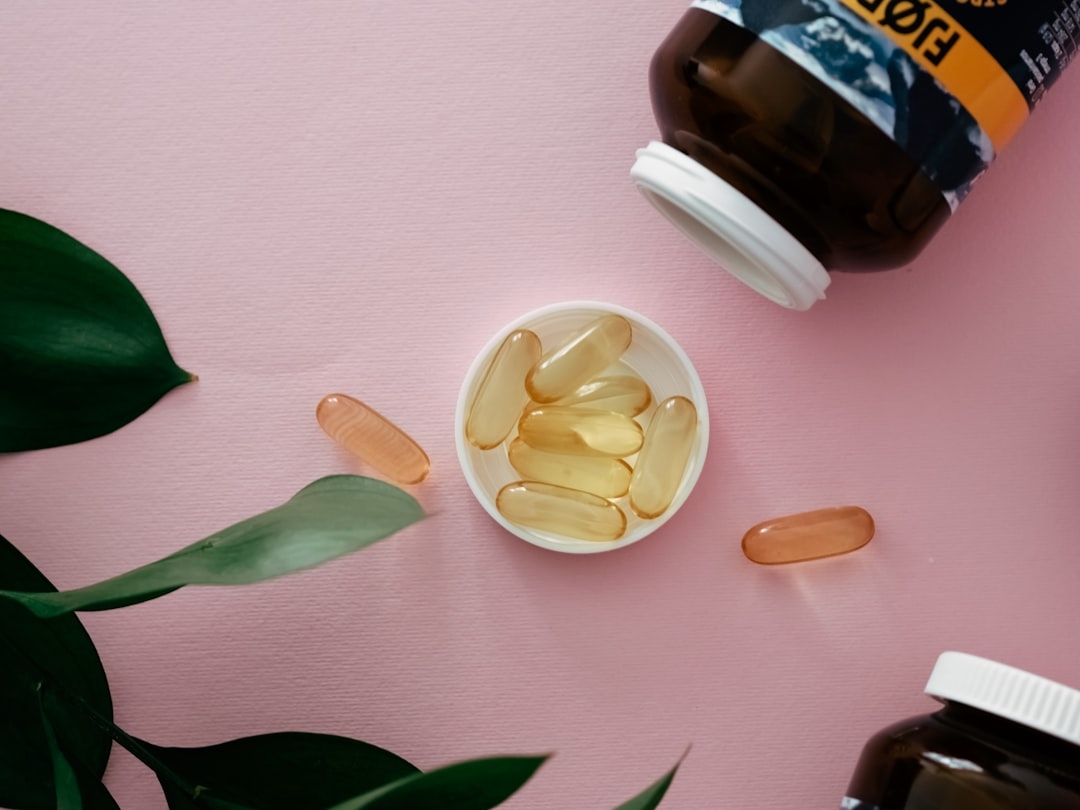
Contents:
- The Everyday Hair Problem Most People Miss
- How Hair Grows: The Biological Foundation
- Does Vitamin B12 Help Hair Growth? The Evidence
- B12’s Role in Red Blood Cell Production
- Protein Synthesis and Cell Division
- The Deficiency Connection
- Who Actually Needs B12 Supplementation
- You’re at Higher Risk If You:
- If None of These Apply
- Practical Steps to Support Hair with B12
- Food Sources First
- Supplementation Strategies
- The Supporting Cast: Other Nutrients for Hair
- Frequently Asked Questions
- Can B12 reverse male or female pattern baldness?
- How long does it take B12 to improve hair?
- Is it safe to take high-dose B12 supplements?
- Will B12 supplements help if I already have normal B12 levels?
- Are there interactions between B12 and other hair supplements?
- Your Next Steps
Quick Answer
Vitamin B12 plays a supporting role in hair health by enabling cell division and red blood cell production—both essential for follicle function. However, it’s not a standalone solution. Hair growth depends on multiple nutrients, hormones, genetics, and overall wellness. B12 deficiency can trigger hair loss, but supplementing won’t create luxurious locks if your diet is otherwise imbalanced.
The Everyday Hair Problem Most People Miss
You shower, towel dry, and notice more loose strands tangled in your brush than usual. The hairline seems a touch higher. You wonder: is something missing from your diet? Your sleep? Your stress management? Hair thinning creeps up quietly, and we naturally reach for quick fixes. Supplements are tempting because they promise simplicity—take a pill, watch hair strengthen. The reality is messier, but understanding why B12 matters (and where it fits) transforms how you approach the problem.
How Hair Grows: The Biological Foundation
Hair isn’t static. Each strand is rooted in a follicle—a tiny organ beneath your scalp—where cells divide rapidly in the matrix. This process generates new hair cells that harden and push upward. A complete growth cycle lasts 2–7 years, cycling through growth (anagen), transition (catagen), and resting (telogen) phases. Around 85–90% of your hair is actively growing at any moment; the rest is dormant or shedding.
This intense cellular activity demands energy and specific nutrients. Your body must produce sufficient red blood cells to carry oxygen to follicles, synthesise proteins for the hair shaft, and repair damaged cells. Vitamin B12 sits at the centre of this machinery. It activates enzymes that break down amino acids, helps generate DNA, and supports red blood cell formation. Without it, none of these processes run smoothly.
Does Vitamin B12 Help Hair Growth? The Evidence
The short answer: B12 supports the conditions where hair can thrive, but it doesn’t guarantee hair growth on its own. Here’s why the science matters.
B12’s Role in Red Blood Cell Production
Vitamin B12 (cobalamin) is essential for producing healthy red blood cells. Each red cell carries oxygen throughout your body, including to hair follicles deep in the scalp. When B12 levels drop, red blood cell production falters. Fewer oxygen-carrying cells means follicles receive less fuel and oxygen, slowing cellular division. Research published in medical journals shows that B12 deficiency correlates with telogen effluvium—a condition where excessive hairs shift into the resting phase prematurely, leading to visible thinning.
Protein Synthesis and Cell Division
Hair is made primarily of keratin, a protein your body manufactures continuously. B12 activates methyltransferase enzymes that regulate amino acid metabolism—the process of breaking down dietary protein and rebuilding it as new hair. If B12 is insufficient, your cells struggle to divide efficiently. This doesn’t just slow hair growth; it can weaken the shaft, making hair more prone to breakage.
The Deficiency Connection
People with clinical B12 deficiency often report hair thinning, early greying, or loss. When they supplement and restore normal B12 levels, hair health often improves—sometimes within weeks. However, this improvement happens because the deficiency is corrected, not because excess B12 creates superhuman growth. If your B12 levels are already normal, additional B12 won’t accelerate hair growth beyond your genetic potential.
What the Pros Know
Dermatologists and trichologists recognise B12 as one piece of the puzzle, not the whole picture. They screen for deficiency in patients with unexplained hair loss but rarely recommend B12 as a standalone treatment. Instead, they assess the full picture: thyroid function, iron stores, zinc levels, protein intake, stress, sleep, and genetics. Hair responds to whole-system health.
Who Actually Needs B12 Supplementation
Not everyone benefits equally from B12 supplementation. Your circumstances matter.
You’re at Higher Risk If You:
- Follow a vegan or vegetarian diet: B12 comes primarily from animal products. Plant sources contain negligible amounts unless fortified.
- Have digestive conditions: Coeliac disease, Crohn’s disease, or post-gastric bypass surgery impair B12 absorption in the intestine.
- Take metformin or proton pump inhibitors: These common medications reduce B12 absorption over time.
- Are over 50: Stomach acid production declines with age, reducing B12 absorption from food.
- Experience unexplained fatigue, brain fog, or hair loss: These suggest possible deficiency worth investigating.
If None of These Apply
Your diet likely provides adequate B12 (2.4 mcg daily for adults, according to UK guidelines). Supplementing won’t enhance hair growth if you’re already replete. The body excretes excess B12 in urine, so more isn’t better—it’s simply eliminated.
Practical Steps to Support Hair with B12

Food Sources First
If you eat animal products, prioritise dietary sources. A 100g portion of cooked beef liver contains 60 mcg of B12—25 times the daily requirement. Salmon (3 mcg per 100g), eggs (1.2 mcg per 100g cooked), and fortified cereals (typically 1.5–2 mcg per serving) round out accessible options. Dairy provides around 0.7–0.9 mcg per 200ml of milk.
Supplementation Strategies
If you’re vegan, vegetarian, over 50, or have absorption issues, supplementation makes sense. Options include:
- Oral tablets/capsules: £4–£8 for a month’s supply of standard doses (1000 mcg). Absorption is modest (2–3%), so these work for maintenance in people with mild deficiency.
- Sublingual tablets: Dissolve under the tongue for direct absorption into the bloodstream. £6–£12 monthly. Slightly more effective than swallowed tablets for some people.
- Fortified foods: The easiest option for vegans. Nutritional yeast, fortified plant milks, and meat alternatives typically contain 2–2.5 mcg per serving.
- Injections: Reserved for severe deficiency or absorption disorders. A doctor-administered injection (usually 1000 mcg) costs around £20–£40 per dose in private practice and is available on the NHS for qualifying patients. Effects last 8–12 weeks.
The Supporting Cast: Other Nutrients for Hair
B12 works best alongside other nutrients. If you want to maximise hair health, also ensure adequate:
- Iron: Ferritin (stored iron) below 30 ng/mL correlates with hair loss. Red meat, lentils, and fortified cereals help; consider a simple blood test if you’re fatigued.
- Zinc: 8–11 mg daily supports protein synthesis in follicles. Found in shellfish, beef, pumpkin seeds, and cashews.
- Protein: Hair is keratin, a protein. Aim for 0.8–1g per kg of body weight daily.
- Vitamin D: Low levels associate with alopecia. UK residents often need supplementation (10–20 mcg daily) given limited sunlight exposure.
Frequently Asked Questions
Can B12 reverse male or female pattern baldness?
No. Male and female pattern baldness are driven by genetics and hormonal sensitivity to DHT (dihydrotestosterone). B12 won’t override your genes. However, if deficiency is also present and worsening thinning, correcting it may help stabilise hair retention.
How long does it take B12 to improve hair?
If deficiency is the culprit, improvements typically appear in 6–12 weeks once levels normalise. Hair grows slowly (roughly 15 cm per year), so patience is essential. If you supplement but see no change after 3 months, deficiency probably wasn’t the issue.
Is it safe to take high-dose B12 supplements?
Yes. B12 is water-soluble, meaning excess is excreted rather than stored. Even doses of 2000 mcg daily pose no toxicity risk. However, high-dose supplementation is unnecessary unless you have severe deficiency—standard doses work effectively.
Will B12 supplements help if I already have normal B12 levels?
Unlikely. Your body regulates B12 absorption tightly. If your level is adequate, additional B12 won’t improve hair growth and will simply be wasted.
Are there interactions between B12 and other hair supplements?
B12 works well with other B vitamins, iron, zinc, and biotin. In fact, biotin, B6, and B12 often appear together in hair supplements because they support overlapping metabolic pathways. No major interactions exist with common supplements.
Your Next Steps
If you’re experiencing unexplained hair loss, start with basics: a blood test checking B12, ferritin, thyroid function, and vitamin D. This simple screen costs £30–£60 privately and tells you exactly what’s actually missing rather than what marketing promises. If B12 is low, supplementation makes sense. If it’s normal, investigating other factors—sleep, stress, diet quality, scalp health—yields better returns. Hair thrives on comprehensive wellness, not single-nutrient shortcuts. Build your foundation, then add targeted support where gaps genuinely exist.