How to Dye Black Hair Blonde: A Complete Beginner’s Guide
11 min read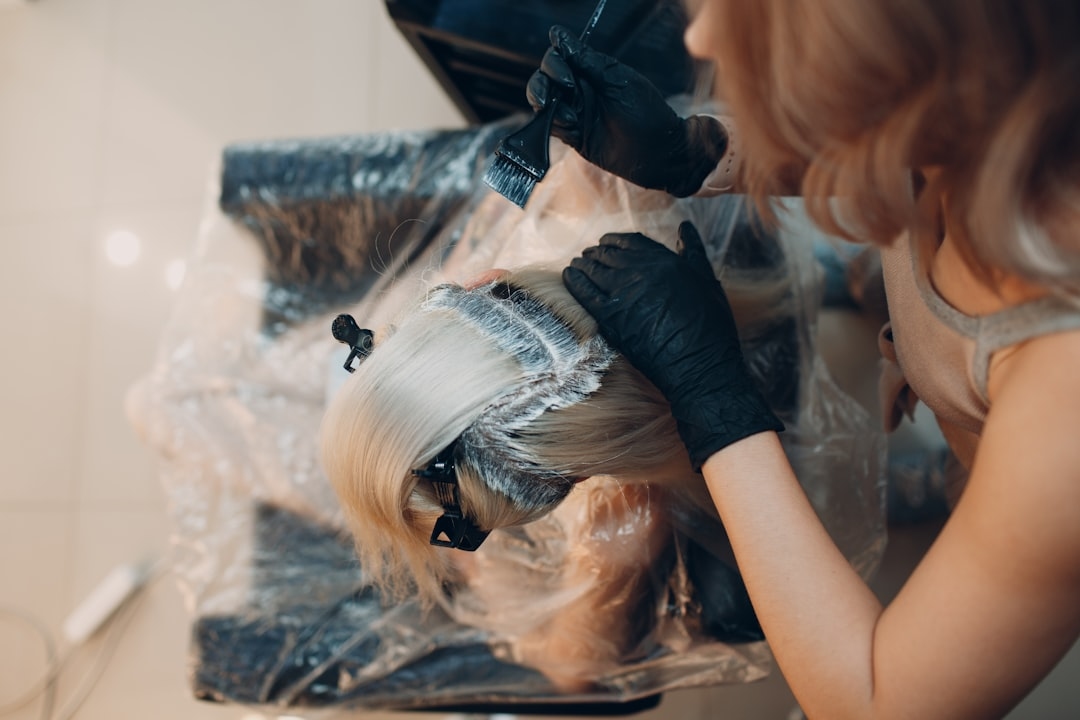
Contents:
- Understanding Your Starting Point: Why Black Hair Requires Special Attention
- The Chemistry Behind Bleaching Black Hair to Blonde
- Products You’ll Actually Need: A Practical Shopping List
- How to Dye Black Hair Blonde at Home: Step-by-Step Process
- Preparation (24 hours before)
- Mixing and Application
- Rinsing and Conditioning
- The Toning Stage: Transforming Blonde from Yellow to Your Desired Shade
- Regional Approaches: How the Professionals Differ Across the UK
- What The Professionals Know: Critical Tips Most Beginners Miss
- Common Mistakes That Ruin the Process
- Comparing Bleaching vs. Hair Extensions: When Alternatives Make Sense
- Aftercare: Keeping Your New Blonde Healthy
- Frequently Asked Questions
- How long does it take to dye black hair blonde?
- Will bleaching black hair make it fall out?
- Can I bleach black hair at home without damage?
- What’s the difference between toning and tinting after bleaching?
- How often can I bleach my hair?
- Your Blonde Journey Starts With Realistic Expectations
Black hair can feel locked in place, unchangeable, permanent. That’s the frustration many people experience when they dream of blonde but look in the mirror and see their natural darkness staring back. The good news? Transforming black hair to blonde is entirely possible—but it requires patience, the right approach, and honest expectations about what happens when dark pigment meets lightening chemicals.
This guide walks you through everything you need to know to achieve blonde hair safely, whether you’re planning to do it at home or heading to a salon. We’ll cover the science behind the process, the products that actually work, and the practical steps that separate stunning results from damaged hair disasters.
Understanding Your Starting Point: Why Black Hair Requires Special Attention
Black hair presents a unique challenge when bleaching. The darker your natural hair colour, the more underlying pigment the bleach must remove to reveal lighter tones. Think of hair colour like layers of dye: brown sits on top of red, which sits on top of yellow. Black hair has all these layers packed densely together. When you bleach black hair, you’re essentially trying to strip away all that accumulated pigment to get to the palest base—which might be pale yellow or even white.
This matters because it determines your timeline and whether you’ll achieve blonde in one session or need multiple sessions. Most professionals recommend expecting 4-6 hours of processing time for black hair, with the real possibility of needing a second appointment weeks later. Rushing the process leads to breakage, orange tones, and weakened hair structure.
The depth of your black hair also varies. Someone with very dark brown hair will lighten faster than someone with true jet black. A professional colourist will assess this during your consultation, but you can do a preliminary check yourself: hold your hair under bright natural light. If you can see any warmth—any hint of brown—you’re starting from dark brown rather than true black, which is actually advantageous for lightening.
The Chemistry Behind Bleaching Black Hair to Blonde
Understanding what’s happening helps you make smarter decisions. Bleach doesn’t add colour; it removes it through a chemical process called oxidation. The bleach molecule opens your hair’s cuticle layer (the outer protective sheath) and breaks down melanin—the pigment that gives your hair its colour.
Hydrogen peroxide is the oxidising agent in most bleach formulas, typically ranging from 10-40 volume. Volume refers to the strength: higher volume processes faster but can damage hair more severely. For black hair, professionals usually start with 20 or 30 volume, which offers a balance between lift and safety. If you’re a complete beginner, 20 volume is the safer choice, even though it takes longer.
What’s the Pro Tip Here? Professional-grade bleach (purchased from Sally’s, Beautyworld, or similar professional suppliers) contains conditioning agents and is formulated more carefully than drugstore brands. It costs roughly £8-15 per box compared to £3-5 for consumer versions, but the conditioning additives protect your hair better during processing. For black hair specifically, this small investment prevents a larger investment in hair repair later.
Products You’ll Actually Need: A Practical Shopping List
Before diving in, let’s be clear: you need the right products to do this safely at home. Improvising leads to uneven results and damage. Here’s what you’re looking at, with realistic UK pricing for 2026:
- Powder bleach (professional grade): £10-18 per container. You’ll need at least 2-3 containers for shoulder-length black hair; longer hair requires more. Schwarzkopf Blondme and Wella Blonda are reliable options widely available.
- 20 or 30 volume developer: £6-12 per bottle. Match the brand to your bleach when possible—Schwarzkopf bleach pairs with Schwarzkopf developer, for example. This creates a more stable formula.
- Mixing bowl (non-metal): Use ceramic, glass, or plastic. Metal reacts chemically with bleach and can affect the formula’s effectiveness. You can use a regular ceramic bowl from your kitchen.
- Measuring spoon: Standard kitchen measuring spoons work fine. Mix bleach and developer in a 1:2 ratio (one part bleach to two parts developer) unless your specific product differs.
- Applicator brush: £3-5. A traditional applicator brush with bristles gives you more control than pouring from the bottle. The bristles help distribute bleach evenly.
- Gloves: Most bleach kits include them, but buy extras. Proper gloves prevent chemical burns on your hands and scalp.
- Sectioning clips: £4-8 for a set. You’ll divide your hair into 4-6 sections to ensure even bleaching. Regular hair clips work, but professional sectioning clips with locks make this easier.
- Deep conditioning treatment: £8-20. After bleaching, your hair needs intensive moisture. Olaplex, K18, or Kerastase are professional brands available at Boots or Feelunique.
- Toner or colour depositor: £12-25. Even after bleaching, your hair might be orange or pale yellow. Toner (a semi-permanent colour) neutralises unwanted warm tones and deposits your chosen blonde shade. Wella T18 is the industry standard.
Total cost for at-home bleaching: approximately £70-120. A professional salon visit ranges from £200-400+ depending on your location and the stylist’s experience. The cost difference is significant, but a professional can assess your specific hair, adjust timing mid-process, and apply heat-protective measures that home users sometimes miss.
How to Dye Black Hair Blonde at Home: Step-by-Step Process
If you’ve decided to bleach at home, follow this method precisely. Even small deviations affect outcomes.
Preparation (24 hours before)
Don’t wash your hair for 2-3 days before bleaching. Your scalp produces natural oils (sebum) that protect your skin from chemical burns. Washing removes these oils, leaving your scalp vulnerable. If your hair is visibly dirty, rinse with water only—no shampoo.
Apply a barrier cream along your hairline, ears, and neck. Any drugstore barrier cream (or even coconut oil) prevents bleach from touching your skin. This step prevents orange staining on your skin that can take days to fade.
Mixing and Application
Mix your bleach and developer immediately before applying—don’t prepare it in advance. Mix in a ceramic or glass bowl. The ratio is typically 1:2 (one part powder to two parts liquid developer), but check your specific product’s instructions.
Section your hair into 4-6 even sections using clips. Start applying bleach to the mid-lengths and ends of your hair first (the furthest parts from your scalp). Your scalp generates heat, which accelerates processing, so bleach naturally processes faster near the roots. Apply to roots last, about 10 minutes into your processing time.
Use your applicator brush to paint the bleach through each section methodically. Work through one section completely before moving to the next. Saturate the hair—it should look wet with bleach mixture, not just coated. Dry hair resists bleach; wet saturation ensures even lifting.
Check the results every 10 minutes starting at minute 30. Look at hair in natural daylight if possible. You’re aiming for pale yellow (called “pale blonde” or “level 9” in professional terminology). Don’t exceed 45 minutes of processing for your first attempt. If you haven’t reached pale yellow by 45 minutes, rinse and rebleach in 2-3 weeks rather than pushing further.
Rinsing and Conditioning
Rinse with cool water until the water runs clear and you smell no bleach. Use a sulfate-free shampoo (this minimises colour fading) and your deep conditioning treatment. Leave the conditioner on for 10-15 minutes.
Pat dry gently—don’t rub or roughly towel your hair, as bleached hair is fragile.
The Toning Stage: Transforming Blonde from Yellow to Your Desired Shade
After bleaching black hair, you’ll have pale yellow hair. This isn’t the polished blonde most people envision. Toning deposits colour that neutralises yellow and gives you your chosen blonde shade.
Semi-permanent toners like Wella T18 (which creates an ash blonde) cost £8-15 and last 8-12 shampoos. Permanent colour offers longer-lasting results but involves another chemical process. For your first attempt, stick with semi-permanent toning—it’s forgiving, and if you hate the shade, it fades naturally.
Apply toner to pre-dampened hair, process for 25-45 minutes (follow your product’s instructions), then rinse with cool water and condition again.
Regional Approaches: How the Professionals Differ Across the UK
Interestingly, the approach to lightening black hair varies slightly by region, shaped by client preferences and local salon cultures.
In London and major cities, many colourists favour an extended, multi-session approach. They bleach to pale yellow in session one, tone, assess, then potentially bleach again weeks later if the client wants lighter blonde. This conservative method minimises damage and allows the stylist to work with how the hair actually responds. Expect this to take 3-4 months from jet black to true platinum.
In smaller towns and suburban areas, stylists sometimes work more quickly, aiming for blonde in fewer sessions. This is less about recklessness and more about client demand and salon scheduling realities. You still shouldn’t rush the process, regardless of location.
In coastal regions (Brighton, Bournemouth, Devon), lighter, sun-kissed tones are more popular than icy platinum. You might hear recommendations for warmer blonde bases (Level 8 toning rather than Level 9-10). This suits the regional aesthetic without requiring aggressive bleaching.
What The Professionals Know: Critical Tips Most Beginners Miss
Professional colourists understand several counterintuitive things about bleaching black hair:
Heat matters more than timing. A warm room or humid climate speeds bleaching. If you’re bleaching in winter in a cold bathroom, processing will take longer than in summer or in a warm kitchen. This is why professionals work in temperature-controlled salons—consistency matters for predictable results.
Sectioning prevents unevenness. The most common amateur mistake is not sectioning tightly enough or missing sections entirely. You end up with splotchy results or blonde patches next to black patches. Proper sectioning is tedious but essential.
You can’t assess colour on wet hair. Always check processed colour on hair that’s damp, not soaking wet. Wet hair appears darker than it is. Squeeze out excess water, then evaluate.
Second sessions should wait 2-3 weeks minimum. Your hair needs time to recover between bleach treatments. Immediate re-bleaching causes excessive breakage and severe damage. If you didn’t reach pale yellow on your first attempt, wait, condition intensively, and try again later.
Common Mistakes That Ruin the Process
Learning from others’ mistakes accelerates your success:
- Using developer that’s too strong. 40 volume developer on black hair is aggressive and risks severe damage. Stick with 20 or 30 volume, even if it takes longer.
- Skipping the patch test. Always do a small test on a hidden section 48 hours before full application. This reveals allergic reactions and shows you how your specific hair responds to that specific bleach.
- Over-processing. Leaving bleach on longer than recommended doesn’t guarantee better results; it guarantees damage. Once your hair has lifted to pale yellow, stop. More time doesn’t lighten it further; it just weakens the hair structure.
- Using drugstore bleach kits designed for lighter hair. These are formulated for people lightening brown hair to blonde, not black to blonde. They don’t contain adequate conditioning agents or lift power. Spend the extra few pounds on professional-grade products.
- Applying toner to dry hair. Damp hair opens the cuticle and accepts colour more evenly. Dry hair resists toner absorption, leading to patchy results.
- Washing bleached hair immediately. Wait at least 48 hours after bleaching before shampooing. Use cool water when you do—hot water opens the cuticle and allows colour to escape.
Comparing Bleaching vs. Hair Extensions: When Alternatives Make Sense
You might see advertisements for blonde hair extensions as a “safer” alternative to bleaching. Are they actually better?
Extensions offer instant results without chemical risk. For someone hesitant about bleaching, they’re tempting. However, extensions cost £300-800 for professional application, require £100-200 monthly maintenance (conditioning treatments, reapplication), and can damage your natural hair if applied too tightly. Extensions also look obviously like extensions to most people, whereas properly bleached and toned hair blends naturally.
For permanent transformation, bleaching and toning is genuinely more economical long-term. Extensions make sense if you want to test-drive blonde before committing to the real thing, or if your hair is too damaged to bleach safely.
Aftercare: Keeping Your New Blonde Healthy
Your first week post-bleaching is critical. Follow this routine:
- Wash with cool water, never hot.
- Use a purple shampoo once weekly (Fanola No Yellow is reliable and costs £6-10). This neutralises any remaining yellow tones.
- Deep condition twice weekly for the first month, then weekly thereafter.
- Avoid heat styling for at least a week. Your hair is fragile and needs recovery time.
- Trim split ends 2-3 weeks post-bleach. Bleached hair doesn’t heal; it breaks. Removing compromised ends prevents further splitting.
- Consider hair supplements containing biotin or collagen (£15-30 monthly). These support hair health from within, though results vary per person.
Your blonde will fade over time—that’s normal. Most toners last 8-12 shampoos. You might reapply semi-permanent toner every 6-8 weeks to maintain your shade. This costs roughly £8-15 per application if you do it at home, or £50-100 if a salon applies it.
Frequently Asked Questions
How long does it take to dye black hair blonde?
A single bleaching session takes 30-45 minutes of processing time, plus preparation and rinsing (total 2-3 hours at home). Many people need 2-3 sessions spread across 2-3 months to progress from jet black to true blonde without excessive damage. A professional can assess your hair and provide a realistic timeline at your first consultation.
Will bleaching black hair make it fall out?
Proper bleaching doesn’t cause hair loss, but excessive bleaching causes breakage—hair snaps off rather than growing out. If you follow the guidelines here and don’t over-process, you won’t experience significant breakage. Intensive conditioning post-bleach also prevents breakage.
Can I bleach black hair at home without damage?
Home bleaching carries more risk than professional bleaching simply because professionals have experience reading hair and adjusting during the process. That said, yes—you can bleach black hair at home safely if you’re patient, use professional-grade products, follow instructions precisely, and don’t rush. Accept that your first attempt might not reach your ideal shade; sometimes a second session weeks later is necessary. Perfection matters less than safety.
What’s the difference between toning and tinting after bleaching?
Toning (usually semi-permanent colour) deposits colour tone without further lifting. Tinting or re-dyeing (permanent colour) can both lift and deposit colour, but it’s another chemical process. After bleaching, toning is gentler and sufficient for most people.
How often can I bleach my hair?
Wait 2-3 weeks minimum between bleaching sessions. Your hair needs time to recover. Some professionals recommend 4 weeks for black hair specifically. If you’re anxious about timing, book a professional consultation—they’ll assess your hair’s condition and recommend a safe interval.
Your Blonde Journey Starts With Realistic Expectations
Transforming black hair to blonde isn’t a quick process, and it demands respect for chemistry and hair biology. The stylists who deliver stunning results aren’t rushing; they’re working methodically across weeks or months, checking progress, and adjusting as the hair responds.
If you’re doing this at home, invest in quality products, take your time, and don’t hesitate to stop and wait if you’re uncertain. If you’re visiting a salon, ask your stylist about their specific process for black hair and how many sessions they anticipate. Good colourists will talk you through expectations rather than promising instant transformation.
Your new blonde hair is achievable. The path there is patient, methodical, and worth every step.