Is Rosemary Oil Good for Hair? What the Evidence Actually Shows
9 min read
Contents:
- What Makes Rosemary Oil a Hair Care Contender
- The Research Behind Rosemary Oil and Hair Growth
- How to Use Rosemary Oil Safely and Effectively
- The Cost and Accessibility Question
- Combining Rosemary Oil with Other Treatments
- Sustainability and Eco-Conscious Sourcing
- Who Benefits Most from Rosemary Oil
- Best candidates:
- Less likely to see dramatic results:
- Practical Tips for Maximum Effectiveness
- Common Questions About Rosemary Oil and Hair
- Can I ingest rosemary oil for hair growth?
- How long before I see results?
- Is rosemary oil better than minoxidil?
- Will rosemary oil regrow hair if I’m completely bald?
- Can men and women both use it?
- The Realistic Verdict
Rosemary oil has become a staple in medicine cabinets across the UK, with countless people swearing it transformed their thinning hair or sluggish growth. But does it actually work, or is this another wellness trend that sounds better than it performs? The answer is more nuanced than a simple yes or no—and more encouraging than you might expect.
What Makes Rosemary Oil a Hair Care Contender
Rosemary essential oil isn’t a new discovery. Mediterranean cultures have used the herb for centuries, but the modern obsession with is rosemary oil good for hair stems from actual research, not just folklore. The plant contains compounds like carnosic acid and rosmarinic acid, which have anti-inflammatory and antioxidant properties.
Unlike many trending hair treatments, rosemary oil has attracted legitimate scientific attention. A 2015 study published in Phytotherapy Research compared rosemary oil to minoxidil (the active ingredient in Rogaine) over six months. Both groups showed similar improvements in hair thickness and growth rate. That’s significant—not because rosemary oil is a miracle cure, but because it performed comparably to an established pharmaceutical option.
The mechanism isn’t complicated. Rosemary oil stimulates blood flow to hair follicles, potentially delivering more oxygen and nutrients to the root. It may also reduce scalp inflammation, which can suppress hair growth. A thicker scalp with good circulation creates a better environment for hair to thrive.
Dermatologists note that rosemary oil works best on scalp conditions rather than reversing genetic hair loss. If your hair thinning is caused by inflammation, poor scalp health, or early-stage telogen effluvium (stress-related shedding), you’ll likely see better results than someone with androgenetic alopecia (male or female pattern baldness). Manage expectations accordingly.
The Research Behind Rosemary Oil and Hair Growth
The 2015 minoxidil comparison study isn’t the only evidence. A smaller 2013 study showed that a rosemary and jojoba oil blend improved hair count and thickness in men with androgenetic alopecia after eight months. Another 2020 trial found that scalp massage with rosemary oil increased hair thickness by 3.3mm compared to control groups.
Here’s the important caveat: most studies are modest in scale, and many last only three to six months. You won’t see overnight results. Hair growth takes time—your scalp’s natural growth cycle spans 2-6 years per hair. Changes become visible after 2-3 months of consistent use, though significant improvement typically requires 4-6 months.
The studies also cluster around specific applications: scalp massage, diluted oils applied directly to roots, and sometimes ingestion (though topical application is safer and more practical). Simply buying a bottle and hoping for results won’t cut it—application method matters.
How to Use Rosemary Oil Safely and Effectively
Never apply essential oil directly to your scalp. Rosemary essential oil is potent and can irritate skin. Instead, dilute it in a carrier oil. The standard ratio is 4-5 drops of rosemary essential oil per 10ml (roughly 2 teaspoons) of carrier oil. Coconut oil, jojoba oil, and argan oil all work—jojoba is particularly good because it mimics scalp sebum.
Application routine:
- Mix your oils in a small glass bowl
- Part your hair into 3-4 sections
- Apply the mixture directly to your scalp, working it in with your fingertips (not nails)
- Massage gently for 5-10 minutes to increase blood flow
- Leave it on for 20-30 minutes, or overnight if you’re using a lighter formula
- Wash out thoroughly with regular shampoo
Do this 2-3 times weekly. More frequent application won’t speed results; consistency matters more than frequency.
If you have a sensitive scalp, patch test first. Apply a small amount to your inner elbow or behind your ear 24 hours before using it on your scalp. Some people experience mild tingling or warmth—that’s the oil at work—but stop immediately if you develop redness, burning, or itching that lasts more than 15 minutes.
The Cost and Accessibility Question
A quality 10ml bottle of rosemary essential oil costs between £6-15 in the UK, depending on the brand and whether it’s organic. That bottle lasts roughly 2-3 months with regular use. Compare that to minoxidil treatments at £20-40 monthly or prescription medications at £50-100+ per month, and rosemary oil is genuinely affordable.
However, quality matters. Buy from reputable suppliers: brands like Plant Therapy, Rocky Mountain Oils, or Baldwins (UK-based) offer third-party tested oils. Avoid suspiciously cheap bottles from unknown sellers—they may be diluted or contaminated. Check the label for “100% pure essential oil” and “undiluted.”
This affordability extends to small space living. You need minimal storage—a single 10ml bottle takes up almost no room. You don’t need special equipment beyond a glass bowl and a carrier oil. It’s practical for flats with shared bathrooms or limited storage, and you’re not committing to bulky appliances or subscriptions.
Combining Rosemary Oil with Other Treatments
Rosemary oil doesn’t require you to abandon other hair care practices. In fact, it works better alongside them. If you’re already using minoxidil, rosemary oil enhances rather than competes—the mechanisms differ slightly. Minoxidil directly opens potassium channels and extends the growth phase; rosemary oil improves scalp health.
Scalp massage amplifies benefits. The physical act of massaging increases blood flow independently. Combined with the oil, you’re getting two signals to your follicles at once. A 5-10 minute massage during your oil treatment is more valuable than passive application.
Nutritional support matters too. Hair thrives on adequate protein, iron, zinc, and B vitamins. If your diet is deficient in these nutrients, even perfect topical care won’t compensate. Rosemary oil is a supplement to overall hair health, not a replacement for it.
Sustainability and Eco-Conscious Sourcing
Rosemary grows abundantly across Mediterranean regions, and the essential oil industry has minimal environmental impact compared to many pharmaceutical manufacturers. However, not all suppliers are equal. Some produce oils through unsustainable wild harvesting, while others cultivate on monoculture farms.
Look for suppliers that specify their sourcing. Organic certification from bodies like the Soil Association (UK-based) ensures the oil came from responsibly managed farms without synthetic pesticides. The sustainability advantage is real: a single bottle of rosemary oil replaces months of plastic-packaged topical treatments.
If you’re particularly committed to eco-conscious choices, consider growing your own rosemary in a small pot indoors (they’re hardy plants) and infusing your own oil. You’ll need dried rosemary and a carrier oil, left together for 2-3 weeks in a dark place. It’s cost-effective and eliminates packaging entirely.
Who Benefits Most from Rosemary Oil
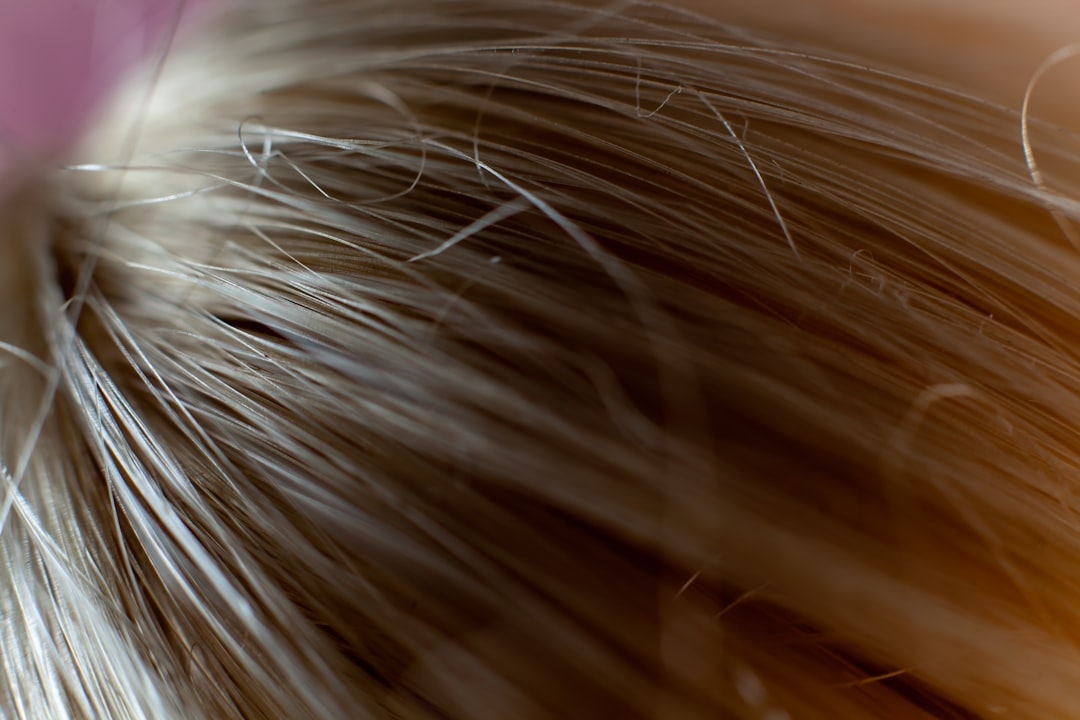
Your hair type and the cause of thinning determine how effective rosemary oil will be for you.
Best candidates:
- People with scalp inflammation, itching, or dandruff affecting hair health
- Those experiencing stress-related shedding (telogen effluvium)
- Early-stage thinning or diffuse hair loss
- Anyone seeking preventive care for maintaining existing hair
- People whose thinning isn’t purely genetic
Less likely to see dramatic results:
- Advanced male or female pattern baldness (though it may help slow further loss)
- Hair loss from medical conditions requiring systemic treatment
- Chemotherapy-related hair loss
- Alopecia areata (an autoimmune condition)
This isn’t a dismissal. Even in challenging cases, rosemary oil can improve scalp health, reduce shedding, and complement other treatments. It’s realistic to expect modest improvements rather than dramatic reversal.
Practical Tips for Maximum Effectiveness
Temperature matters. Warm (not hot) oils penetrate the scalp better than cold ones. Run your oil bottle under warm water for 2-3 minutes before application. Hot oil can irritate; aim for the warmth you’d use for a bath.
Consistency is everything. Research shows benefits at the 3-4 month mark for most people. Sporadic use yields minimal results. Set a reminder for twice weekly—Tuesday and Friday work well for many people.
Don’t expect miracles in week one. Your first application might feel pleasant, and you might notice scalp tingling or warmth from increased blood flow. That’s not the same as hair growth. Wait 8-12 weeks before evaluating whether it’s working for you.
Track measurable changes. Take a photo of your scalp under the same lighting at month one and month three. Hair count and density changes are subtle to the naked eye but visible in photos. Hair shedding often decreases visibly before new growth appears.
Adjust based on your scalp. If your scalp feels greasy by evening, use lighter carrier oils like jojoba or grapeseed. If it feels dry, heavier oils like coconut work better. Your scalp condition may change seasonally.
Common Questions About Rosemary Oil and Hair
Can I ingest rosemary oil for hair growth?
Technically, rosemary oil has been used internally in some cultures, but it’s not recommended. Essential oils are highly concentrated—one drop of essential oil is equivalent to several cups of herbal tea. Ingestion carries risks of stomach irritation, kidney problems (particularly for pregnant women), and interactions with medications. Topical application is safer, more practical, and backed by more robust research.
How long before I see results?
Most people notice reduced hair shedding after 4-6 weeks. Visible new growth or thickness improvements typically appear after 3 months. Significant results usually require 4-6 months of consistent use. Some people see dramatic changes; others experience subtle improvements. Genetics and individual scalp health determine speed and extent of results.
Is rosemary oil better than minoxidil?
They’re equivalent for mild to moderate thinning based on available research, but they work differently. Minoxidil is more researched and faster-acting (results in 2-4 months). Rosemary oil costs less, has fewer side effects, and suits people concerned about scalp irritation. For advanced hair loss, minoxidil is typically more effective. Many people combine both for complementary effects.
Will rosemary oil regrow hair if I’m completely bald?
No. Rosemary oil can’t revive dormant follicles or grow hair in completely bald areas. It works on existing follicles that are miniaturised or underperforming. If your follicles have permanently shut down (true androgenetic alopecia in advanced stages), topical treatments alone won’t restore them. Hair transplants or prescription medications like finasteride are necessary for that level of intervention.
Can men and women both use it?
Absolutely. Research supports it for both male and female pattern baldness, though results vary individually. Women should avoid it during pregnancy (carnosic acid may affect hormones). Breastfeeding mothers should also exercise caution. Otherwise, it’s equally safe for all genders and hair types.
The Realistic Verdict
Is rosemary oil good for hair? Yes, with realistic caveats. It’s not a cure-all, but evidence supports its benefits for scalp health and mild to moderate thinning. It costs under £15 per bottle, requires minimal space, and actually works for many people—particularly those whose thinning stems from scalp inflammation or stress rather than genetics alone.
The strongest case for rosemary oil is this: it’s affordable, safe, backed by legitimate research, and offers modest but measurable improvements for the majority of users. It won’t reverse advanced hair loss, but it will likely improve your scalp environment and potentially slow shedding.
Start with a quality 10ml bottle from a reputable supplier, mix it properly with carrier oil, and commit to 2-3 applications weekly for at least 12 weeks. Track results with photos. If you see improvement—whether reduced shedding, better scalp health, or visible new growth—continue. If nothing changes after four months, consider pairing it with minoxidil or consulting a dermatologist about other options.
The real value of rosemary oil isn’t that it’s a miraculous secret. It’s that it’s an evidence-backed, accessible, affordable option that actually works for realistic hair health goals. For flats without space for complex routines, it’s practical. For wallets already strained by hair care costs, it’s economical. And for people seeking sustainable, plant-based alternatives to pharmaceuticals, it delivers results without the packaging waste or chemical complexity of some commercial treatments.