What Does Healthy Hair Look Like? Key Signs Explained
8 min read
Contents:
- Visual Signs of Healthy Hair
- Shine and Lustre
- Elasticity and Flexibility
- Colour and Tone Consistency
- Structural Indicators of Health
- Hair Thickness and Diameter
- Minimal Split Ends
- Minimal Breakage
- Growth and Length Indicators
- Visible Hair Growth
- Retained Length
- Scalp Health Markers
- Clear, Non-Itchy Scalp
- Balanced Oil Production
- Budget-Friendly Hair Health Indicators
- Regional Differences in Hair Health
- Northern England and Scotland
- Southern England
- Wales and Coastal Areas
- Cost Breakdown: Maintaining Healthy Hair
- FAQ Section
- What does healthy hair look like when examined closely?
- How do I know if my hair is healthy?
- Can damaged hair ever look healthy again?
- Does expensive shampoo make healthier hair?
- How long does it take to grow truly healthy hair?
Throughout history, lustrous hair has signalled health, vitality, and vitality itself. Ancient Egypt prized glossy locks as marks of wealth and status. Victorian era women spent hours achieving the shine that indicated wellbeing. Fast forward to 2026, and what does healthy hair look like remains surprisingly constant: it shows clear, measurable signs that reveal internal health through external appearance.
Healthy hair tells a story your body’s nutritional status, hormonal balance, and overall wellness. Unlike buying expensive products hoping they’ll work, learning to recognise healthy hair means you’ll stop purchasing unnecessary treatments and start addressing root causes. Your hair becomes a mirror reflecting what you feed it, how you treat it, and what’s happening inside your body.
The visual markers are specific and identifiable. They’re not vague qualities like “beautiful” or “nice.” Healthy hair exhibits measurable characteristics: specific shine patterns, defined curl or wave patterns, minimal breakage, growth rate indicators, and scalp health signals. Understanding these specifics transforms generic hair care advice into a personalised system that works.
Visual Signs of Healthy Hair
Shine and Lustre
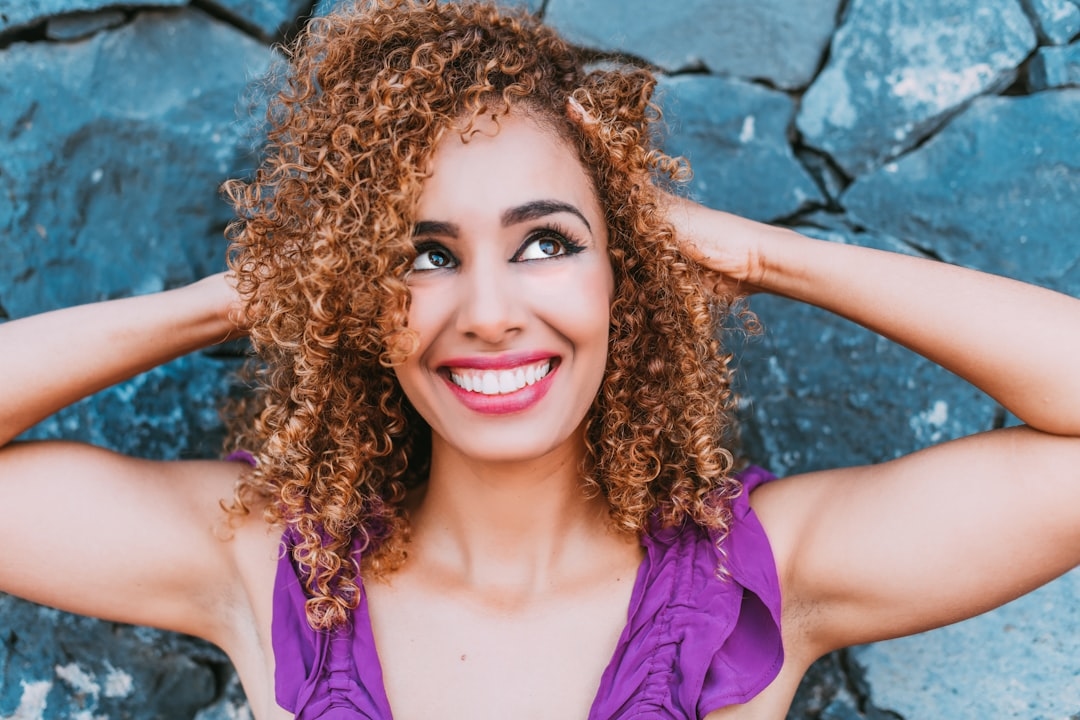
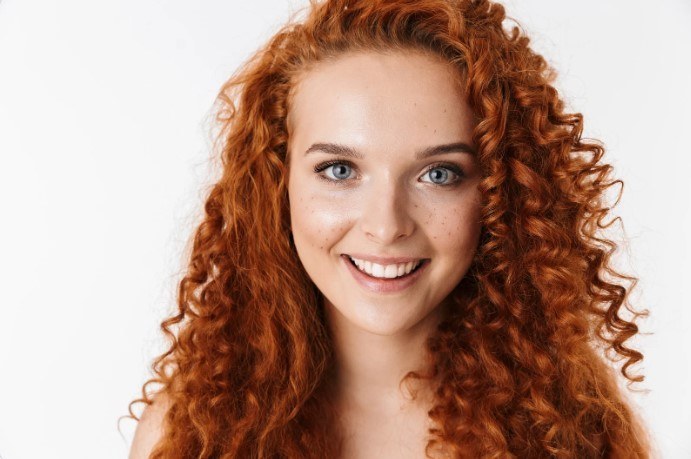
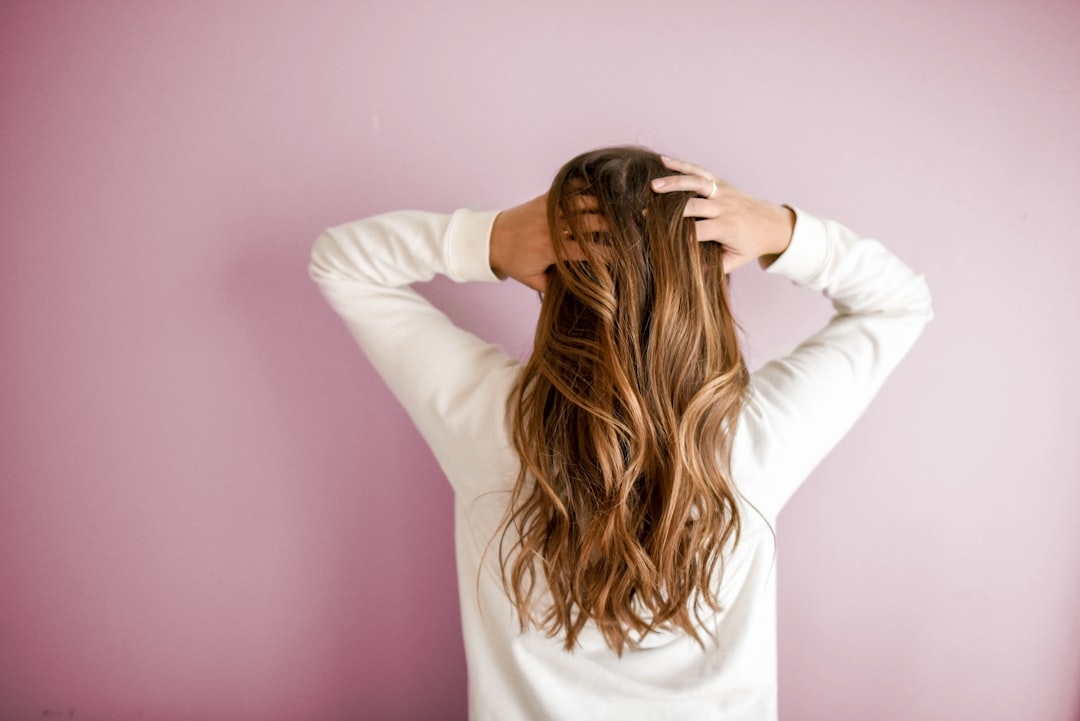
Healthy hair reflects light evenly across its surface. This happens because the hair cuticle—the outer layer of overlapping cells—lies flat and smooth. Light bounces off smoothly rather than scattering randomly. This smooth surface is what does healthy hair look like visually at its most basic level.
Dull, flat hair indicates raised cuticles. This raises when hair is dry, damaged, or hasn’t been conditioning. Regional differences affect shine naturally. Northern UK climates with high humidity help hair maintain shine. Southern areas with drier air require more moisturising products to achieve the same level. A Scottish person’s hair will appear shinier in Glasgow’s damp climate than in London’s drier air, even with identical product routines.
Budget-friendly way to assess: stand in natural sunlight. Healthy hair shows defined light reflection—not glaring or shiny (that’s product buildup), but genuinely reflective. You should see your own reflection slightly in shiny hair strands.
Elasticity and Flexibility
Take a single strand and gently pull. Healthy hair stretches slightly, then returns to original length. Damaged hair either snaps immediately (lacking elasticity) or stretches without returning (lacking structural integrity). This is the single best test you can perform at home in 5 seconds.
Elasticity comes from proteins intact inside the hair cortex. When proteins break (from heat, chemicals, or rough handling), the hair loses flexibility. Testing elasticity on multiple strands around your head gives you a realistic picture. Some people have healthy hair everywhere except their ends, which show low elasticity from years of damage.
Colour and Tone Consistency
Healthy hair displays consistent colour from root to tip (for natural colour) or maintains your dyed shade evenly. Patchy fading, banding, or dramatic colour changes indicate damage or uneven moisture distribution. Healthy grey hair shows true grey tones without yellow or brassy tones, indicating low oxidation and protein integrity.
Natural colour consistency matters for different ethnicities. Dark-skinned individuals typically have richer, darker hair tones naturally. Light-skinned individuals often have lighter tones. All healthy hair, regardless of ethnicity or base colour, shows consistent tone without unnatural banding or patchiness.
Structural Indicators of Health
Hair Thickness and Diameter
Individual hair strands in healthy hair maintain consistent thickness along their length. When you look at a strand close-up, it’s uniformly thick (or uniformly thin if you have fine hair type). Thinning along the length indicates damage breaking down the protein structure.
Compare a healthy strand to a damaged one under magnification. Healthy strands look solid and regular. Damaged strands show thinning, roughening, and structural breakdown visible under 10x magnification. This matters because breakage happens at thin points—preventing thickness loss prevents breakage.
Minimal Split Ends
Healthy hair has essentially no split ends. A few per 100 strands is normal (that’s less than 1%). When more than 5% of your hair has split ends, that’s a sign of damage requiring attention. Split ends indicate the protective cuticle has fractured, exposing the cortex to damage.
Split ends don’t repair themselves—they only worsen over time. Regular trimming (every 8-12 weeks) prevents the split from progressing upward. Healthy hair that’s trimmed regularly never reaches the point where split ends cover more than 2-3% of strands.
Minimal Breakage
When you brush healthy hair, you should find very few short broken strands in your brush. One or two is normal. Finding dozens indicates serious damage. Breakage usually happens at weak points created by damage, chemical processing, or malnutrition.
The difference between shedding and breakage matters: shedding is hair falling out at the root (completely normal—humans shed 50-100 hairs daily). Breakage is hair snapping at the midpoint or length. Finding broken pieces rather than full strands with roots indicates damage requiring intervention.
Growth and Length Indicators
Visible Hair Growth
Healthy hair grows at roughly 15cm per year (6 inches), though this varies between individuals by 20-30%. Dark hair appears to grow slower because it’s more visible against the scalp. Light hair appears to grow faster for the opposite reason. The actual growth rate is similar; visual perception differs.
If your hair isn’t growing 12-18cm yearly, something’s wrong. Causes include malnutrition (particularly protein and iron deficiency), stress, hormonal imbalance, or scalp health issues. Addressing growth rate requires identifying root causes—usually dietary or stress-related—rather than using expensive growth serums.
Retained Length
Healthy hair accumulates length over time. If you haven’t cut your hair in 12 months, you should have 15cm more length than you started with. If your length is identical, breakage is removing as much as you’re growing. This indicates hair requiring intervention.
Comparing retained length across different seasons helps diagnose damage patterns. Many people show better retained length in winter (less sun damage, less pool/beach exposure) than summer. Seasonal variations are normal; consistent length loss year-round isn’t.
Scalp Health Markers
Clear, Non-Itchy Scalp
Healthy hair starts with a healthy scalp. A scalp that’s itch-free and doesn’t flake is the foundation. Itching indicates inflammation or yeast overgrowth. Flaking indicates either dryness or dandruff (yeast-related). Neither state produces healthy hair because an irritated scalp produces excess oil or dryness that compromises growth.
Scalp health varies regionally. Softer water in southern England means less mineral buildup. Harder water in northern areas can trigger scalp irritation in sensitive individuals. Adjusting shampoo frequency and type based on regional water hardness often resolves scalp issues.
Balanced Oil Production
Healthy hair shows balanced oil production—hair isn’t greasy at roots but isn’t dry at ends. This balance comes from a scalp producing just enough sebum to protect hair without excess. Overproduction (greasy hair by day 2) or underproduction (dry, itchy scalp) both indicate imbalance.
Oil balance takes roughly 4-6 weeks to establish. If you’ve recently changed shampoos or started a new routine, give it 6 weeks before judging results. Your scalp adjusts its oil production gradually as it responds to new products.
Budget-Friendly Hair Health Indicators
Professional hair assessments at salons cost £30-50. You can assess your own hair using these free or cheap methods:
- Strand test (free): Pull a single hair, stretch gently. Healthy hair stretches then returns.
- Shine test (free): Stand in sunlight. Healthy hair reflects light visibly.
- Brush test (free): Count broken strands in your brush after brushing. Fewer than 5 indicates health.
- Colour consistency test (free): Check if your colour is even from root to tip.
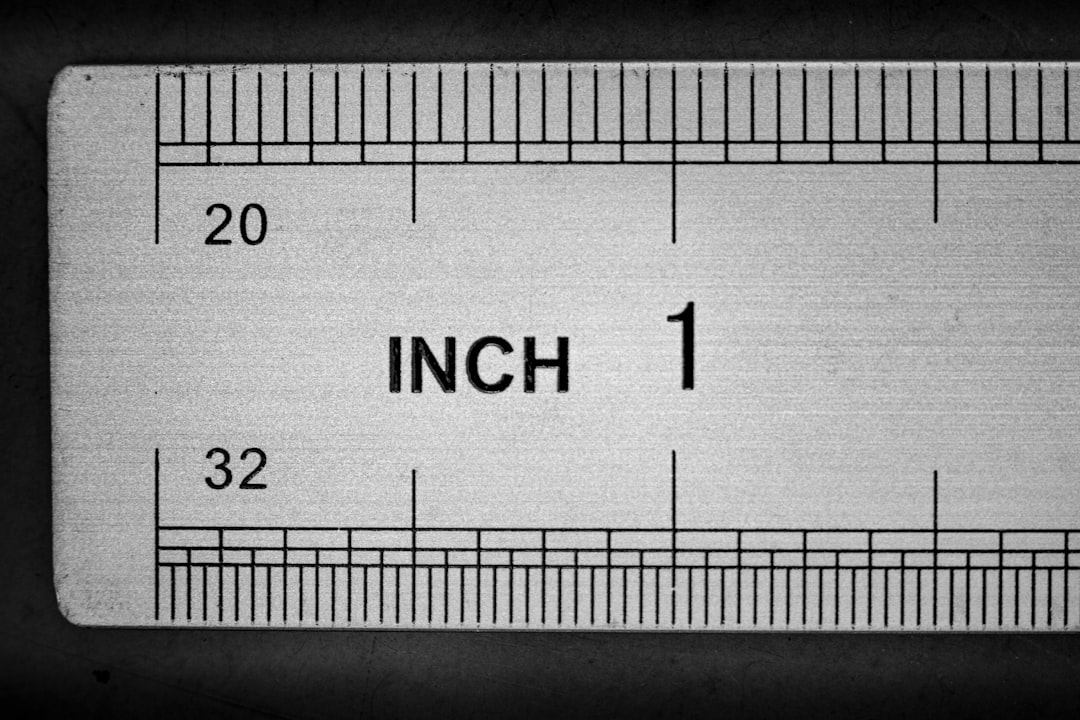
- Growth measurement (£3 for ruler): Measure length monthly. Healthy growth is 1.2cm monthly.
- Magnification test (£8-15 for jeweller’s loupe): Examine strand thickness under magnification.
Total cost: roughly £11-23 for complete assessment tools. Compare that to professional assessments costing £30-50, and DIY assessment becomes excellent value.
Regional Differences in Hair Health
Northern England and Scotland
Higher humidity helps hair retain moisture naturally. Healthy hair here typically shows more shine and less dryness. Hard water in some areas can create buildup making hair look dull despite being structurally healthy. Installing a shower filter (£15-25) helps healthy northern hair stay glossy.
Southern England
Drier air means healthy hair requires more consistent conditioning. Hair dries faster, which helps with some styling but accelerates breakage if not properly protected. Chlorine exposure from swimming during longer summer season affects hair health more here.
Wales and Coastal Areas
Salt spray from ocean air damages hair structure quickly. Healthy hair here requires more frequent deep conditioning and protective products. The same hair might appear healthier inland because salt exposure accelerates damage markers.
Cost Breakdown: Maintaining Healthy Hair
- Basic routine (monthly cost): Shampoo £3, Conditioner £3, Trimming £10-15 = roughly £16-21
- Preventative maintenance: Add weekly hair mask £2-4 = total £20-25 monthly
- Damage repair routine: Add deep treatments £5-8 weekly = total £30-45 monthly
- Professional assessment (quarterly): Add £30-40 four times yearly = £10 monthly average
Maintaining healthy hair costs £20-25 monthly for basic routine. Investing in prevention costs under £50 monthly. Repairing severely damaged hair costs £150+ monthly in treatments plus professional help. Preventative care is vastly more economical.
FAQ Section
What does healthy hair look like when examined closely?
Healthy hair shows smooth, flat cuticles with consistent colour and thickness. Under magnification, the surface appears regular and undamaged. Individual strands are uniformly thick with no thinning along the length. Split ends are rare—less than 1% of strands show any splitting. The overall impression is solid and intact.
How do I know if my hair is healthy?
Perform five tests: (1) stretch a strand gently—it should stretch then return to original length; (2) stand in sunlight—healthy hair reflects light visibly; (3) brush and count broken strands—fewer than 5 in 100 strokes is healthy; (4) check colour consistency—even tone from root to tip; (5) measure growth—roughly 1.2cm per month indicates health. If you pass all five tests, your hair is healthy.
Can damaged hair ever look healthy again?
No, not the damaged portion. Damaged hair can’t repair itself. What appears to be repair is actually new healthy growth. You can improve appearance through products and treatments, but the structural damage remains. Growing out damaged hair (roughly 15cm yearly) and trimming regularly is the only genuine solution.
Does expensive shampoo make healthier hair?
No. Hair health comes from diet, stress management, scalp care, and gentle handling—not product price. Budget shampoos (£2-4) clean just as effectively as premium brands (£15-25). Where you might invest more is in treatments addressing specific issues: protein for damage, moisture for dryness. But expensive shampoo alone doesn’t create health.
How long does it take to grow truly healthy hair?
Roughly 12-18 months. This is how long it takes to grow out most damaged hair. Hair that’s healthy grows at 15cm yearly, so 18-month-old hair has grown roughly 22-27cm. If you trim regularly and avoid new damage, you’ll have completely healthy hair from root to tip by month 18.
Understanding what does healthy hair look like gives you objective standards to assess your hair accurately. It’s not vague or subjective—specific, measurable characteristics clearly indicate health status. Use the tests outlined here to assess where your hair stands currently. Then prioritise addressing root causes: nutrition, stress, scalp health, and gentle handling. Results appear gradually over 8-12 weeks as new healthy growth emerges. By month 18, your hair will visibly display every marker of genuine, lasting health.