How Much Are Hair Extensions? A Complete UK Pricing Guide for 2026
9 min read
Contents:
- Understanding the Price Spectrum for Hair Extensions
- Hair Quality and Material
- Application Method Costs
- Detailed Breakdown by Extension Type
- Clip-In Extensions: Most Affordable Entry Point
- Tape-In Extensions: The Sweet Spot for Value
- Fusion or Keratin-Bonded Extensions: Premium Longevity
- Sew-In Weaves: Budget-Friendly Professional Option
- Micro-Link and Micro-Ring Extensions: Premium Reusability
- Hidden Costs You Need to Know About
- Maintenance Appointments
- Professional Aftercare Products
- Removal and Colour Correction
- What the Pros Know
- Making the Best Choice for Your Budget
- Under £100 Budget
- £100–300 Budget
- £300–500 Budget
- £500+ Budget
- Eco-Friendly and Sustainable Extension Options
- Typical Costs by Salon Level in 2026
- Frequently Asked Questions
- How much do hair extensions cost monthly?
- Are expensive hair extensions always better quality?
- How long do hair extensions last before needing replacement?
- Can I get cheap hair extensions and not regret them?
- What’s included in the application cost?
- Making Your Decision: The Takeaway
Here’s something that surprises many first-time buyers: the average person spends more on hair extensions over a year than they do on professional haircuts. According to the UK salon industry report for 2026, nearly 62% of women exploring hair extensions had no idea about the actual price range before researching—and many were shocked by the hidden costs like maintenance and specialist application. This guide cuts through the confusion and gives you the real numbers.
Hair extensions have evolved from a luxury reserved for celebrities to a practical solution for anyone wanting thicker, longer, or fuller hair. But pricing varies wildly depending on the type, quality, and application method. Whether you’re refreshing your look or covering thin patches, understanding the cost breakdown helps you make a confident choice without overspending.
Understanding the Price Spectrum for Hair Extensions
The cost of hair extensions isn’t a simple line—it’s a spectrum determined by several key factors. Let’s break down what you’re actually paying for.
Hair Quality and Material
The single biggest driver of price is hair quality. Budget options start around £40–60 for synthetic or low-grade human hair, while premium 100% Remy human hair extends into the £200–500+ range. The difference? Real human hair lasts 6–12 months with proper care, whereas synthetic options typically last 4–6 weeks before frizzing or tangling.
Virgin hair (completely unprocessed) commands the highest price, often £300–500 for a full head. This hair accepts dye and heat-styling beautifully and lasts the longest. Non-Remy human hair costs less (£100–200) because it’s been collected and processed differently, making it more prone to tangling. Most people find the middle ground—quality Remy hair at £120–200—offers the best value.
Specific example: A 16-inch clip-in extension made of synthetic fibre costs around £35–50. The same length in quality human hair runs £80–120. For tape-in extensions, synthetic versions start at £60 per row, whilst Remy human hair tape-ins cost £120–180 per row (and you typically need 4–8 rows for full coverage).
Application Method Costs
How extensions attach to your hair significantly changes the total price. Some methods require professional application; others you can do at home.
- Clip-in extensions (DIY): £50–150 total cost, done at home in 5–10 minutes. No salon labour. Perfect for temporary use or trial runs.
- Tape-in extensions (professional): Hair costs £200–350, plus labour at £100–200. Total: £300–550. Last 6–8 weeks before repositioning (additional £50–100 cost).
- Fusion or keratin-bonded (professional): Hair £200–400, labour £150–300. Total: £350–700+. Last 8–12 weeks; reapplication costs £100–200.
- Sew-in weaves (professional): Hair £150–300, labour £80–150. Total: £230–450. Last 6–10 weeks.
- Micro-link or micro-ring (professional): Hair £200–350, labour £100–200. Total: £300–550. Reusable, so only hair replacement costs apply next time (£100–150).
Labour varies by salon location and stylist experience. Central London salons charge 20–30% more than regional towns. A skilled specialist commanding premium rates (£80–120 per hour labour) will charge more than a general salon, but you’re paying for expertise and longevity.
Detailed Breakdown by Extension Type
Clip-In Extensions: Most Affordable Entry Point
Clip-ins are the budget champion. A set of 7–8 wefts (the standard “full head”) costs £50–150 depending on hair quality and length.
- Budget synthetic: £40–70 per set
- Mid-range human hair blend: £80–120 per set
- Premium Remy human hair: £120–180 per set
No labour costs because you apply them yourself. Each set lasts 3–4 months with daily use, making the per-month cost roughly £15–45. They’re ideal if you want to test drive extensions before committing to professional application or if you need flexibility (remove them for exercise or sleep).
The trade-off? Visible wefts if your hair is very short, and they don’t blend as seamlessly as professionally applied extensions.
Tape-In Extensions: The Sweet Spot for Value
Tape-ins have become the most popular professional choice in UK salons for 2026 because they offer excellent longevity and value. A full application typically uses 4–8 rows depending on hair thickness and desired volume.
Cost breakdown for one tape-in session:
- Hair (4 rows, 20 inches, Remy quality): £280–320
- Labour (application): £120–180
- Total: £400–500
They last 6–8 weeks before needing repositioning (root regrowth causes the tape to migrate). Repositioning costs £50–100 because you’re only paying labour; the hair is reused. Over a year, expect 6–7 repositioning sessions, adding £300–700 in maintenance.
Annual total for tape-ins: £750–1,200 depending on your hair growth rate and salon costs. That sounds steep until you realise it’s about £14–23 per week for consistently full, professional-looking hair.
Fusion or Keratin-Bonded Extensions: Premium Longevity
These extensions use a heat-fused keratin bond to attach small sections of hair directly to your scalp. They’re the gold standard for seamlessness and durability but come at a premium price.
Initial application costs:
- Hair (100–120 bonds, Remy): £250–450
- Labour (3–5 hours): £200–300
- Total: £450–750
Fusion extensions last 10–14 weeks before reapplication. Removal and reapplication cost £250–400. Most people do 3–4 full reapplications yearly, making the annual cost £900–2,200.
Why pay more? Fusion bonds are virtually undetectable, extremely durable, and resistant to slipping. If longevity and seamlessness matter more than cost, fusion extensions justify the investment.
Sew-In Weaves: Budget-Friendly Professional Option
Sew-ins (often called braided wefts) are sutured onto cornrow braids. They’re popular in afro-textured hair communities and cost less than other professional methods.
- Hair (2–3 bundles, 18–20 inches): £100–250
- Labour (braiding and sewing, 2–3 hours): £80–150
- Total: £180–400
Sew-ins typically last 6–10 weeks. Costs are lower, but removal requires careful unbraiding, which takes 2–3 hours and sometimes costs £40–80. You can often reuse the hair, so the next installation is cheaper (just labour plus any new hair needed).
Micro-Link and Micro-Ring Extensions: Premium Reusability
These extensions use tiny metal rings or silicone-lined links to clamp sections of your natural hair. They’re gentle, reusable, and last 10–12 weeks.
- Hair (80–100 bonds): £180–320
- Labour: £100–200
- Total: £280–520
The key advantage: the hair is fully reusable. Your next application only costs labour plus minor hair top-ups (£50–100). Over three years, this makes micro-links competitive with tape-ins in total cost, but the savings kick in after the first year.
Hidden Costs You Need to Know About
The initial price tag isn’t the whole story. Professional extensions require ongoing maintenance, and skipping steps damages both your natural hair and the extensions.
Maintenance Appointments
Repositioning or reapplication appointments are mandatory, not optional. Missing them causes matting, breakage, and scalp damage. Expect to budget:
- Repositioning (tape-in): £50–100 every 6–8 weeks
- Reapplication (fusion): £250–400 every 10–14 weeks
- Root maintenance (micro-link): £80–150 every 10–12 weeks
Professional Aftercare Products
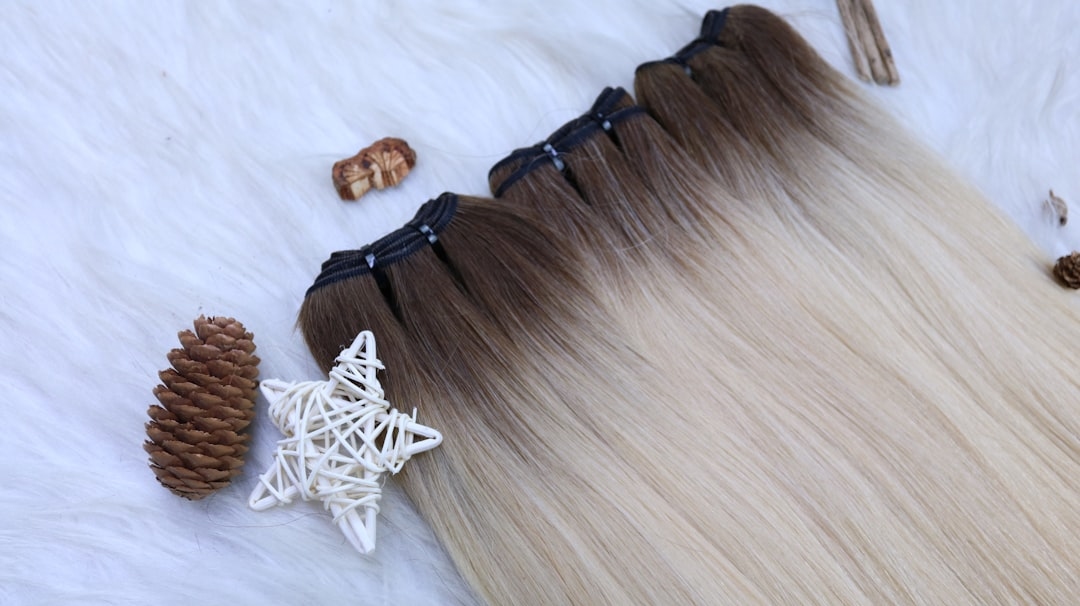
Extensions require sulphate-free shampoo, deep-conditioning treatments, and heat protectants—not just any salon products. Premium extension-specific ranges cost £12–25 per product.
Budget roughly £40–80 per month for aftercare. Cheap products cause buildup, tangling, and premature shedding, which means replacement sooner.
Removal and Colour Correction
If you want to remove extensions partway through or correct colour, that’s additional labour. Professional removal costs £50–150. Colour correction (if extensions and natural hair tones don’t match) adds £80–200.
What the Pros Know
Insider Tip: Most professional stylists recommend starting with tape-ins if you’ve never worn extensions. They’re the Goldilocks option—affordable compared to fusion, easier to maintain than clip-ins, and you’ll know within 8 weeks if extensions suit your lifestyle. Only commit to pricier methods like fusion once you’re confident you’ll stick with them. Also, build a relationship with one stylist; loyalty clients at many salons get 10–15% discounts on repositioning and maintenance.
Making the Best Choice for Your Budget
Under £100 Budget
Your best option is clip-in extensions. You’ll get a full set of budget-friendly synthetics or lower-grade human hair for £50–100 with zero labour costs. Expect them to last 4–6 weeks with daily use. This is ideal for occasional wear or testing whether extensions suit you.
£100–300 Budget
Mid-range clip-ins (£100–150) or a single tape-in application (if you can stretch to £250–300, you’d cover 2–3 rows). This gets you better quality and longer wear life (6–8 weeks for clip-ins, lasting longer for partial tape-ins). You’re making a real commitment but haven’t stretched your budget to breaking point.
£300–500 Budget
A full professional tape-in or sew-in application fits here comfortably. You’ll get 6–8 weeks of wear, excellent blend, and the confidence of professional application. Plan for repositioning costs after 6 weeks (add another £50–100).
£500+ Budget
Fusion extensions or premium quality tape-ins (longer length, more rows, luxury hair brands). You’re prioritising longevity, seamlessness, and zero-compromise quality. The higher upfront cost is offset by durability and the reusability of some methods.
Eco-Friendly and Sustainable Extension Options
Growing awareness of environmental impact has introduced sustainable options that don’t compromise on quality.
Ethically-sourced Remy hair from suppliers who ensure donor compensation and fair labour costs £150–300 (versus £100–200 for standard Remy). Brands like Viola Professional and Salsa use transparent sourcing.
Bio-based adhesives for fusion extensions are now available at most premium salons at no additional cost. They’re gentler on scalp health and break down naturally, reducing environmental impact.
Reusable extension systems (micro-links, some tape-in brands) inherently reduce waste because the hair is worn multiple times before needing replacement. Choosing reusable over disposable single-use methods reduces your environmental footprint by 40–60% over three years.
If sustainability matters to you, the extra cost for ethically sourced hair (£30–50 more per application) often delivers peace of mind that justifies the premium.
Typical Costs by Salon Level in 2026
Where you get your extensions done affects price significantly:
- Local independent salons: Tape-in labour £80–120, tape-in hair £200–280. Total: £280–400. Staff are experienced but may have less specialised equipment.
- Mid-range salon chains: Tape-in labour £120–160, hair £250–320. Total: £370–480. Reliable consistency, good training.
- Premium/speciality salons: Tape-in labour £180–250, hair £300–400. Total: £480–650. Expert stylists, high-end brands, better guarantee period.
- Central London salons: Tape-in labour £220–300, hair £350–450. Total: £570–750. Premium location markup applies.
Higher-end salons often include a 2–4 week aftercare warranty and offer loyalty pricing, which can offset the initial premium over time.
Frequently Asked Questions
How much do hair extensions cost monthly?
Monthly costs vary by method: clip-ins cost £10–30/month if you use them part-time; tape-ins cost £50–80/month including repositioning; fusion extensions cost £75–120/month when accounting for reapplication cycles. This helps budget-conscious buyers think in terms they understand.
Are expensive hair extensions always better quality?
Not necessarily. A £300 tape-in from a specialist salon using premium Remy hair is excellent value. A £400 fusion extension from an unproven salon might be overpriced. Research the brand, read reviews, and ask your stylist about hair origin. Price should correlate with hair grade, labour expertise, and ongoing support—not hype.
How long do hair extensions last before needing replacement?
Clip-ins last 3–4 months; tape-ins last 6–8 weeks before repositioning (but the hair can be reused for 6–12 months total); fusion extensions last 10–14 weeks before reapplication; sew-ins last 6–10 weeks. “Replacement” timing differs from “reapplication”—with tape-ins and micro-links, you’re repositioning the same hair, not buying new hair.
Can I get cheap hair extensions and not regret them?
Budget clip-in extensions (£40–60) work fine for occasional use—a wedding, night out, costume—but don’t expect them to look natural or last months. For daily wear, investing in at least mid-range human hair (£80+) or professional application pays off. Cheap extensions often tangle within weeks, forcing you to repurchase sooner, making them a false economy.
What’s included in the application cost?
Labour typically covers cutting, blending, and styling extensions to match your hair. It usually does NOT include consultation (some salons charge £20–30 for this), aftercare products, or removal of old extensions. Ask your salon for a detailed breakdown before booking to avoid surprise add-on costs.
Making Your Decision: The Takeaway
Hair extensions in the UK range from affordable clip-ins at £50 to premium fusion applications at £700+. The best choice depends on your lifestyle, budget, and expectations. Clip-ins are unbeatable for trying extensions affordably; tape-ins offer the best balance of cost and longevity for most people; fusion extensions deliver uncompromising quality if budget allows.
Remember that the visible upfront cost is only part of the equation—factor in maintenance, aftercare products, and repositioning frequency. A “cheap” extension that forces replacement every month isn’t cheaper than a quality option you reposition for a year. Ask your stylist for a realistic total annual cost estimate, not just the initial price.
Start by visiting 2–3 salons for consultations (many are free) and asking to see extensions in person. Feeling the texture, seeing how they’re applied, and hearing honest advice from skilled professionals is worth far more than an online price comparison. Once you’ve found the right method and salon, commit to maintenance—your investment only pays off if you care for it properly.