Does Cutting Hair Make It Thicker? Separating Myth From Biology
7 min read
Contents:
- Why Hair Appears Thicker After a Cut
- Comparison: Blunt Cuts vs. Textured Cuts
- What Actually Determines Hair Thickness
- The Expert Take: What Trichologists Say
- Common Mistakes to Avoid
- How to Actually Achieve Thicker Hair
- Styling Techniques That Make Hair Look Thicker
- FAQ
- If cutting doesn’t make hair thicker, why does my hair feel thicker after a cut?
- Is there a difference between how thick blunt-cut hair looks versus layered hair?
- Will frequent haircuts eventually make my hair thicker?
- What’s the difference between fine hair and thin hair?
- Can a bad haircut make my hair look thinner?
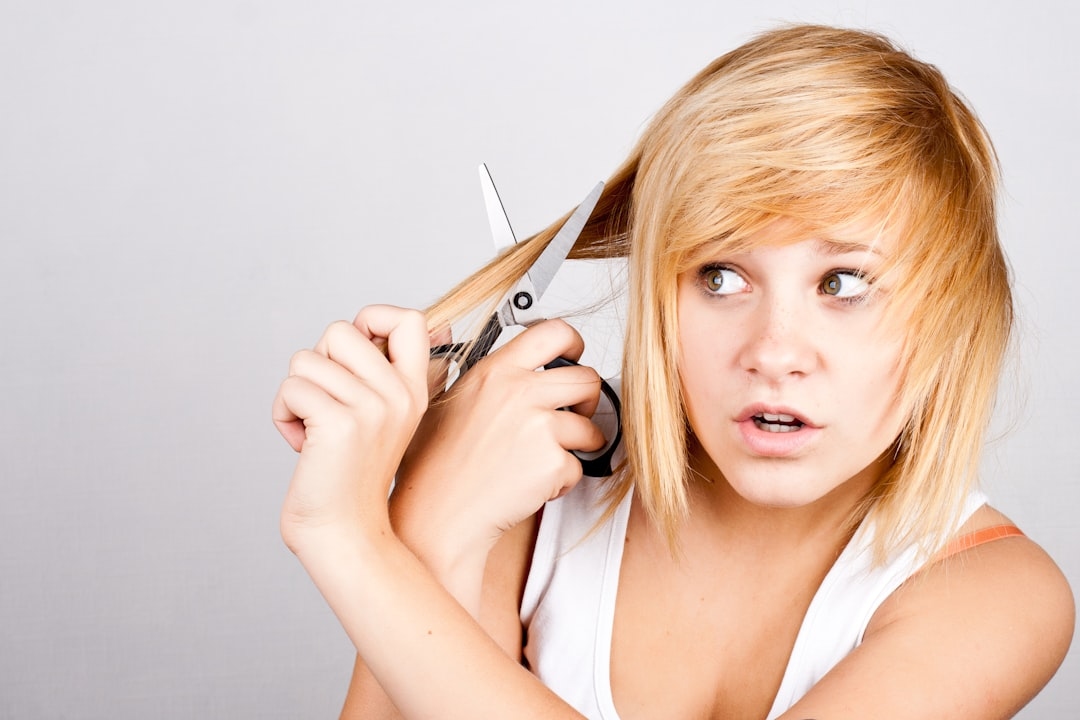
Every hairdresser has heard it: “Cut my hair short so it looks thicker.” This belief runs so deep that people will cut their hair dramatically, expecting a volumetric transformation. The myth persists because it feels true when you’re standing in front of the mirror. Short hair does appear thicker. But the actual biology tells a different story entirely.
The honest answer is no—cutting your hair does not make it thicker. What it does is make existing hair appear thicker by creating contrast and volume through styling tricks. Understanding why this happens, and what actually determines hair thickness, helps you make better decisions about your haircut without chasing a biological change that isn’t possible.
Why Hair Appears Thicker After a Cut
Hair thickness is measured in microns—the actual diameter of the hair shaft. When you cut your hair, the diameter doesn’t change. A strand that was 70 microns thick before cutting is still 70 microns thick after. This is cellular fact. The hair cannot spontaneously grow thicker just because the ends have been removed.
What does change is how that same hair reflects light and interacts with other strands. Short hair stands up more easily because it has less weight pulling it down. When hair is long, gravity creates drag, flattening the hair against your scalp. When hair is short, the weight is reduced, so strands can spread apart and create volume. This spread creates the illusion of thickness.
Additionally, when you cut blunt ends, those ends catch the light differently than tapered ends. Blunt-cut hair appears denser because each individual strand has more surface area at its tip. Layered or tapered cuts, by contrast, taper to fine points, which can make hair appear finer even though the base diameter hasn’t changed.
Comparison: Blunt Cuts vs. Textured Cuts
A blunt cut creates a solid line at the bottom. Light bounces off that line uniformly, creating the impression of volume. A highly textured or razor-cut creates uneven ends where some hair is longer than others. This unevenness makes the overall mass appear thinner because less light is reflected uniformly. Many people believe the texture is making their hair look thinner, when actually it’s just distributing the hair differently.
What Actually Determines Hair Thickness
Real hair thickness—the actual diameter of each strand—is determined by genetics and hormones. Your hair follicles are programmed at birth to produce hair of a certain thickness. DHT (dihydrotestosterone), a male hormone, can miniaturise hair follicles, making them produce thinner strands. This is why male-pattern baldness involves thinning, not just loss. But cutting doesn’t affect this hormonal process.
Hair thickness can change due to several factors. Protein deficiency, iron deficiency, thyroid disease, and hormonal shifts during menopause can all reduce hair diameter temporarily. Nutritional deficiency affecting growth will eventually cause new hair to grow in thinner—not your existing hair, but future growth. This process takes months because hair cycles are 3-6 years long.
Damage also affects perceived thickness. Bleached or over-processed hair develops a rougher cuticle, which can make the hair feel thicker and appear wilder, even though the diameter hasn’t changed. The texture is different, creating a perception of thickness.
The Expert Take: What Trichologists Say
According to Dr. Sarah Chen, a trichologist at the London Hair Institute, “Cutting doesn’t make individual hairs thicker, but it absolutely can make hair look thicker through strategic placement and weight removal. The psychological impact of this visual change is real and valuable. Many of my clients feel much more confident after a cut that creates volume, even though their actual hair thickness hasn’t changed. That confidence is genuine benefit, even if it’s not based on cellular change.”
Trichologists distinguish between actual thickness (measured in microns, determined by genetics) and apparent thickness (how the hair looks and feels due to style, texture, and density). A good stylist works with apparent thickness, using cuts and styling techniques to make hair feel fuller.
Common Mistakes to Avoid
Don’t expect a cut to permanently solve hair thinning from medical causes. If your hair has thinned because of iron deficiency, a haircut won’t address this. You’ll see initial volume boost, but within weeks, thinning will reassert itself as new, thinner hair grows in.
Don’t cut too short in hopes of dramatic thickening. A very short cut can actually backfire on fine hair. If your hair has low density (few hairs per square inch) even though each strand is individually thick, cutting short removes the weight that was holding strands together. Short hair on sparse density can look even sparser.
Don’t assume that frequent cutting maintains thickness. Regular trims remove dead weight and prevent split ends from making hair look thinner, but cutting doesn’t add new hair or thicken existing strands. Trim every 6-8 weeks to maintain shape and prevent split ends, but understand this maintains appearance, not cellular structure.
How to Actually Achieve Thicker Hair
If you genuinely want thicker hair, not just the appearance of thickness, focus on the biological factors. Ensure adequate protein intake—hair is made of keratin, a protein. Aim for 0.8-1g per kg of bodyweight daily. Check iron levels; deficiency directly causes telogen effluvium, a temporary shedding that reduces density. Serum ferritin should be above 50 ng/mL for optimal hair health.
Biotin supplements (2.5mg daily) have shown modest improvements in hair thickness in some studies, particularly for people with nutritional deficiency. However, biotin won’t thicken genetically fine hair; it supports the thickness that your genetics allow.
Minoxidil (Rogaine, available at UK pharmacies for £15-25 per bottle) genuinely increases hair diameter and density by extending the anagen (growth) phase. This takes 3-6 months to show results and requires ongoing use. It’s the only proven way to actually make hair thicker at a cellular level.
Styling Techniques That Make Hair Look Thicker
A textured crop or crop fade creates volume through short length and the contrast between longer and shorter sections. A wolf cut combines short layers at the crown with longer ends, creating the illusion of fullness without removing all length. A shaggy layered cut creates movement and volume.
For fine hair specifically, a blunt shoulder-length cut is often better than very short cuts. The weight of the length provides some structure while the bluntness creates light reflection. Pixie cuts work beautifully on fine hair only if the scalp has high density—few scattered hairs won’t fill a very short cut.
Styling with texture spray, sea salt spray, or dry shampoo adds grip, making hair clump together and appear denser. This is temporary and purely visual, but it works reliably. A round blow-dryer and lifting at the roots during drying also creates volume that lasts several days.
FAQ
If cutting doesn’t make hair thicker, why does my hair feel thicker after a cut?
Your hair physically is lighter because weight has been removed, and lighter hair stands up more easily. This reduced weight creates volume and movement. Psychologically, you also feel more confident and attentive to your hair after a fresh cut, so you style it better, which contributes to the thicker feeling. These effects are real and valuable, even though the hair strands themselves haven’t changed diameter.
Is there a difference between how thick blunt-cut hair looks versus layered hair?
Yes. Blunt-cut hair reflects light uniformly and appears denser. Layered hair has graduated lengths, which creates movement and texture but can appear thinner because light scatters through the layers rather than bouncing off a solid line. For fine hair wanting to appear thicker, blunt cuts usually perform better. For thick hair wanting to appear less heavy, layers are better.
Will frequent haircuts eventually make my hair thicker?
No. Frequent cuts maintain the appearance of thickness by removing damaged ends and preventing split-end thinning, but they don’t increase the diameter of hair or the number of hairs you have. Trim when needed to maintain shape (every 6-8 weeks), but cutting more often won’t compound the thickening effect.
What’s the difference between fine hair and thin hair?
Fine hair has a small diameter per strand but can have good density (many hairs per square inch). Thin hair usually means low density—fewer hairs overall, regardless of individual strand thickness. A cut helps fine hair look fuller but can’t increase the number of hairs you have if the issue is actually density. These conditions need different approaches.
Can a bad haircut make my hair look thinner?
Absolutely. A cut that removes weight without strategic layering, or a cut with razor-tapered ends instead of blunt ends, can make hair appear finer. An overly textured cut on sparse hair can look stringy. A skilled stylist works with your hair’s density and strand thickness to choose cuts that enhance, not diminish, apparent thickness. If your last cut didn’t achieve the volume you wanted, this is often a matter of cut technique and styling direction, not your hair’s actual capability.
Cutting your hair doesn’t make it thicker at a cellular level—this is biology, not styling. What a good cut does is create volume, movement, and visual density through strategic length removal and shaping. For fine-haired people, this visual boost is genuinely valuable. For those with medically-thinning hair from nutritional deficiency or hormonal causes, a cut buys temporary appearance while you address the underlying issue. A skilled stylist understands this distinction and works within it.