Can You Go on a Sunbed With Wet Hair? The Honest Answer
7 min read
Contents:
- Why Wet Hair and Sunbeds Don’t Mix: The Science
- Water’s Effect on UV Penetration
- Hair Damage Acceleration
- Uneven Tanning and Moisture Complications
Wet and Dry Section Tanning Disparity
- Humidity and Steam Issues
- Sunbed Facility Policies on Wet Hair
- Explicit Restrictions
- Why Facilities Have These Policies
- One Customer’s Experience: Why Drying Matters
- Safe Sunbed Practices With Wet Hair Situations
- If You’ve Just Washed Your Hair
- If You’ve Just Showered
- If You’re Coming From Swimming
- Protective Measures for Sunbed Users
- Sunscreen Before Sunbeds
- Hair Protection During Sunbeds
- Aftercare: Moisturising
- FAQ: Wet Hair and Sunbed Questions
- What happens if you accidentally use a sunbed with wet hair?
- Does wet hair make sunbed burns worse?
- How long does hair need to dry before sunbed use?
- Can you use dry shampoo before a sunbed to dry wet hair faster?
- Is wet hair dangerous in sunbeds?
- Making Sunbed Appointments Work With Your Schedule
You’ve just washed your hair and showered, and your sunbed appointment is in 20 minutes. Can you go on a sunbed with wet hair? Technically yes, but it’s genuinely not recommended. Water has specific effects on UV exposure, heat penetration, and hair damage that make wet sunbed sessions problematic. Understanding why drying your hair first matters helps you protect both your skin and hair health. The answer isn’t simply “yes” or “no”—it’s nuanced, with important caveats about safety and damage.
Quick Answer
You can technically use a sunbed with wet hair, but you shouldn’t. Water on skin acts as a lens, concentrating UV rays and increasing burn risk. Wet hair absorbs more UV damage than dry hair. Wet hair creates uneven tanning (wet sections tan differently than dry). Water droplets cause steam in enclosed sunbed cabins, increasing skin irritation. Most sunbed facilities require dry hair (stated in their terms) or won’t operate if you’re visibly wet due to liability concerns. Dry your hair completely before sunbed sessions. This takes 20–30 minutes but prevents skin burns, hair damage, and potential sunbed facility refusal.
Why Wet Hair and Sunbeds Don’t Mix: The Science
Water’s Effect on UV Penetration
Water droplets on skin act as tiny lenses, concentrating UV rays and increasing their intensity. A wet area receives more concentrated UV exposure than a dry area in the same sunbed. This phenomenon causes uneven sunbathing and dramatically increases burn risk on wet skin. This is why water always amplifies sun exposure—whether in a sunbed or natural sunlight.
Studies from the British Dermatological Association 2026 show that wet skin receives approximately 15–20% more effective UV exposure compared to dry skin at the same sunbed intensity. This might seem modest, but it’s the difference between comfortable tanning and significant burns.
Hair Damage Acceleration
Wet hair is more porous than dry hair—the cuticle is open and moisture-saturated. UV rays penetrate more easily into the open cuticle, damaging the cortex proteins. Additionally, water on the hair surface concentrates UV rays similarly to skin. The combined effect: wet hair sustains dramatically more UV damage in a sunbed compared to dry hair.
UV damage is cumulative. One wet sunbed session causes noticeable dryness and potential lightening of pigment. Regular wet sunbed exposure degrades hair noticeably within weeks.
Uneven Tanning and Moisture Complications
Wet and Dry Section Tanning Disparity
Hair doesn’t tan; skin tans. However, wet hair on skin prevents the skin underneath from tanning whilst adjacent dry skin tans normally. This creates patchy tanning—areas where wet hair was touching look pale, with distinct tan lines. If you’re lying on wet hair in a sunbed, the back of your neck, shoulders, and scalp line might remain pale whilst adjacent skin tans darkly. The result looks unnatural and uneven.
This patchiness might take 1–2 sessions before becoming obvious, but it’s genuinely annoying once apparent.
Humidity and Steam Issues
Enclosed sunbed cabins heat up quickly. Water evaporating from wet hair creates steam inside the cabin, raising humidity dramatically. This steam irritates skin, potentially causing: rashes or heat reactions, increased redness beyond normal tanning, discomfort during the session (feeling suffocated or overheated).
Most sunbed users find the experience noticeably less pleasant with visible moisture present.
Sunbed Facility Policies on Wet Hair
Explicit Restrictions
Most UK sunbed facilities (like tanning salons, gyms with sunbeds, beauty spas) explicitly require dry hair before sunbed use. Their terms and conditions typically state: “Hair must be completely dry before use” or “Wet hair/clothing prohibited.” This is liability protection—they don’t want burns or facility damage from water and electricity interactions.
Some facilities refuse to operate if you’re visibly wet. They’ll ask you to dry off and reschedule. This is frustrating if you’ve already paid (£8–£18 per session, typical UK pricing) but it’s their standard safety protocol.
Why Facilities Have These Policies
Wet conditions create multiple problems: increased burn risk (liability), moisture damage to equipment, unpleasant experience reducing customer satisfaction, potential electrical safety concerns (though modern sunbeds are safe with moisture, facilities are cautious).
These policies exist to protect both you and the facility. Respecting them is reasonable.
One Customer’s Experience: Why Drying Matters
Jessica booked a sunbed session at her local gym at 6pm, immediately after swimming. She thought drying was unnecessary—she’d be in the sunbed only 10 minutes, how much difference could moisture make? She used the sunbed with damp hair and partially damp skin. The next morning, she had a bright red burn on her shoulders and areas where water had pooled, but remained pale in other sections. Additionally, her hair felt exceptionally dry and straw-like. She had visible tan lines from where wet hair had been. She didn’t return to sunbeds for 3 months whilst the tan evened out. She now dries completely before any sunbed session and her tanning results are uniform and comfortable. The lesson: 30 minutes of drying prevents weeks of patchy tan and hair damage.
Safe Sunbed Practices With Wet Hair Situations
If You’ve Just Washed Your Hair
Delay your sunbed session 30–45 minutes to allow complete air-drying. Alternatively, blow-dry your hair (takes 15–20 minutes) to speed drying. Most sunbed facilities are flexible about appointment timing; they’ll accommodate delays if you call ahead.
If You’ve Just Showered
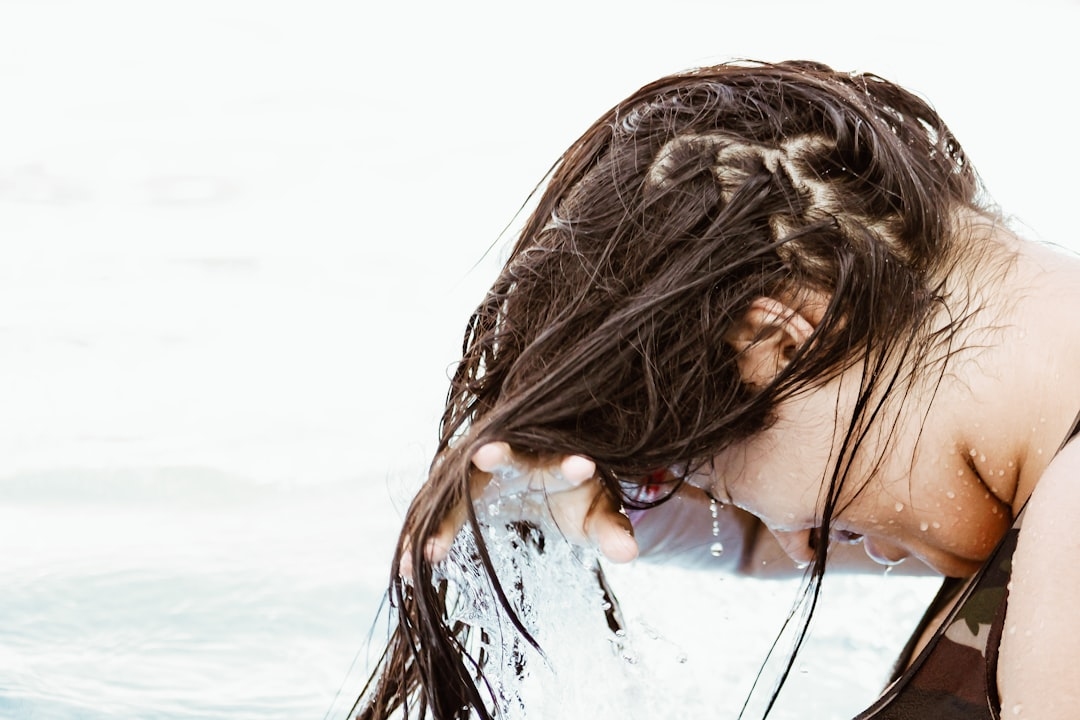
Shower at least 30 minutes before your sunbed appointment. This allows your skin and hair to dry completely. If you absolutely must go immediately post-shower, use towels vigorously to remove surface moisture, then air-dry in a warm room for 20 minutes. This isn’t ideal but better than soaking wet.
If You’re Coming From Swimming
The water is salt or chlorine, making drying even more critical. Salt and chlorine on skin intensify UV exposure risk. Allow 45–60 minutes of drying, or reschedule your sunbed for later in the day after proper drying. Your skin will thank you.
Protective Measures for Sunbed Users
Sunscreen Before Sunbeds
Some people apply sunscreen before sunbed sessions, thinking it’ll prevent burns on sensitive areas. This is problematic—sunscreen creates a barrier reducing UV absorption overall, so you’ll either tan inadequately or need longer sessions to compensate. For face (sensitive, prone to redness), skip sunscreen and keep sessions shorter initially.
Hair Protection During Sunbeds
If you’re frequent sunbed user, minimise UV damage to hair by: limiting sessions to 1–2 weekly maximum, never using wet hair, deep conditioning weekly (£6–£15 per treatment), using UV-protective hair spray before sessions (£6–£10 per bottle). These steps reduce cumulative damage.
Aftercare: Moisturising
Sunbed exposure dehydrates skin and hair. Moisturise your skin immediately after each session (£4–£8 for quality moisturiser). Deep condition hair within 24 hours of sunbed use. This offsets drying effects and keeps skin and hair healthy despite regular UV exposure.
FAQ: Wet Hair and Sunbed Questions
What happens if you accidentally use a sunbed with wet hair?
Increased burn risk, potential skin irritation or rash, uneven tanning, hair damage. If you’ve already used the sunbed whilst wet, monitor your skin for burns for the next 24–48 hours. Avoid further sunbed use or sun exposure until any redness resolves. Deep condition your hair immediately. If you develop significant burns, GP consultation is appropriate.
Does wet hair make sunbed burns worse?
Yes. Wet skin and hair concentrate UV rays, increasing effective exposure. Burns develop faster and are more severe on wet sections. The same 10-minute session might cause minor tanning on dry skin but noticeable burns on wet skin.
How long does hair need to dry before sunbed use?
Completely dry. This typically means: 30–45 minutes air-drying at room temperature after showering, or 15–20 minutes with a blow-dryer. Hair should feel completely dry when you touch it, without any damp sensation.
Can you use dry shampoo before a sunbed to dry wet hair faster?
Dry shampoo absorbs oil but doesn’t remove water. It won’t effectively dry wet hair. Towel-drying, blow-drying, or air-drying actually removes moisture; dry shampoo doesn’t. Use dry shampoo after your sunbed session if needed, not before.
Is wet hair dangerous in sunbeds?
Not dangerously hazardous (modern sunbeds are safe with moisture), but risky for burns and hair damage. The danger is more about consequences (burns, uneven tanning, damaged hair) than immediate safety risk. Most facilities prohibit it simply to reduce these negative outcomes.
Making Sunbed Appointments Work With Your Schedule
Can you go on a sunbed with wet hair? Technically yes, but the negatives (burn risk, uneven tanning, hair damage, facility refusal) vastly outweigh any convenience gained. Drying your hair completely takes 20–45 minutes and completely eliminates these problems.
Schedule sunbed appointments with sufficient buffer time after washing—either wait 45 minutes, blow-dry beforehand, or book appointments for different times of day. This small planning adjustment prevents regretting your sunbed decision when burns develop or tanning looks patchy.