Types of Hair Extensions: The Complete Guide for Every Hair Type
19 min read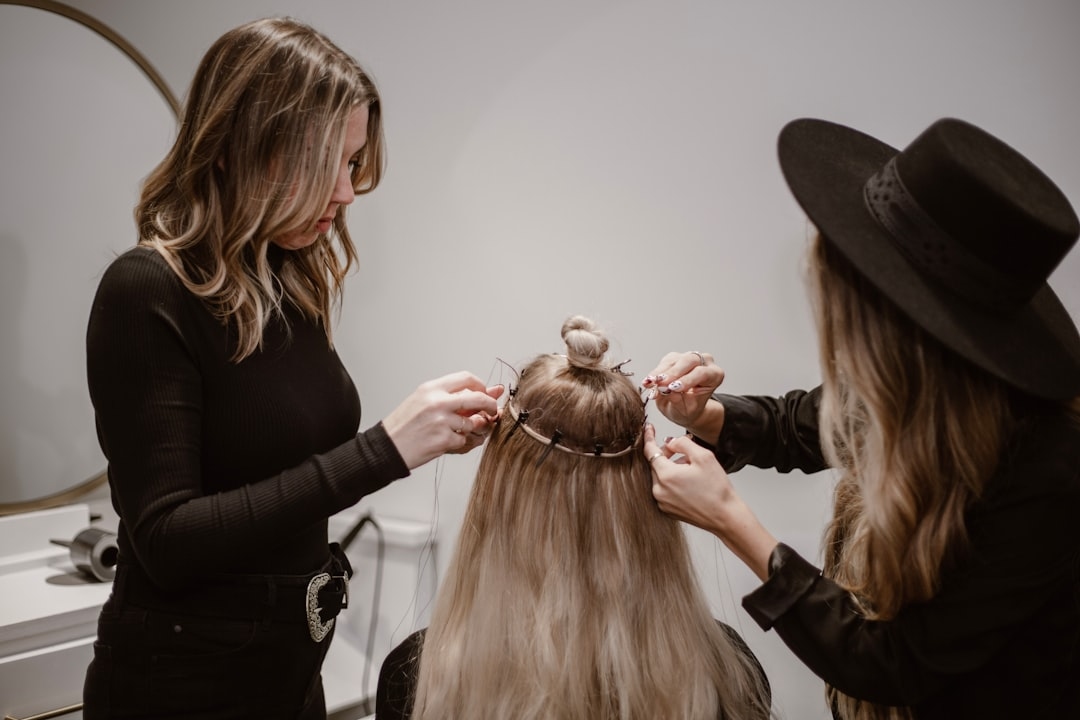
Contents:
- Why Choosing the Right Type of Hair Extension Matters
- Hair Extension Materials: What You’re Actually Buying
- Remy Human Hair
- Non-Remy Human Hair
- Synthetic Extensions
- The Six Main Types of Hair Extensions: A Beginner’s Complete Breakdown
- Tape-In Hair Extensions
- Micro-Ring (Micro-Loop) Extensions
- Keratin Bond (Fusion) Extensions
- Clip-In Hair Extensions
- Weft Hair Extensions
- Halo Hair Extensions
- Intermediate Level: Matching the Method to Your Hair Type
- Extensions for Fine or Thinning Hair
- Extensions for Thick or Coarse Hair
- Extensions for Curly or Wavy Hair
- Extensions for Colour-Treated or Bleached Hair
- Extensions for Short Hair
- Hair Extension Cost UK: A Realistic Budget Breakdown for 2026
- The True Cost of Cutting Corners
- Advanced Nuances: Maintaining Extensions for Maximum Longevity
- Washing Technique
- Heat Styling
- Overnight Care
- Product Selection
- Hair Extensions vs. Wigs: Clearing Up a Common Confusion
- Common Mistakes with Hair Extensions — And How to Avoid Them
- Booking Without a Consultation
- Making Price the Primary Filter
- Skipping Maintenance Appointments
- Removing Extensions at Home
- Using Incorrect Products
- Frequently Asked Questions
- Which type of hair extension lasts the longest?
- Can I colour my hair extensions after installation?
- Are hair extensions suitable for fine hair?
- How do I know which extension method is right for me?
- How many times can extension hair be reused?
What actually separates a hair transformation that looks completely real from one that clearly doesn’t? More often than not, the answer isn’t the quality of the hair itself — it’s whether the right type of hair extension was chosen for that specific person’s specific hair. Types of hair extensions have never been more varied, more sophisticated, or more capable of delivering extraordinary results — but only when the match is right.
This guide covers everything: the materials, the six main application methods, how to pair them with your hair type, what to budget in 2026, and the mistakes worth knowing about before you book anything. Much of what follows is drawn from the kind of expertise that Ivana Farisei brings to every client consultation — a brand that has spent years working across every conceivable hair type and situation. Build your knowledge here first, and your choices later will be far more confident.
Why Choosing the Right Type of Hair Extension Matters
The most common mistake people make when considering hair extensions is treating the method as an afterthought. They focus on the desired outcome — longer, fuller hair — and assume any extension type will get them there. It won’t. The method you choose determines how natural the result looks, how long it holds up, how comfortable it is to wear, and critically, how your natural hair responds during and after the process.
Picture two people who both want 20cm of added length. One has fine, colour-treated hair that’s already slightly fragile. The other has thick, naturally dark, unprocessed hair. Apply the same extension method to both and you could achieve brilliant results for one and real damage for the other. Extensions don’t fail — wrong methods do.
At Ivana Farisei, every appointment begins with a thorough consultation. The technician assesses hair density, texture, porosity, scalp condition, and lifestyle before the method conversation even begins. That sequencing — assessment first, recommendation second — is what makes the difference between a result that lasts beautifully and one that disappoints within weeks. The brand’s consistency across different hair types is rooted entirely in this approach.
The right extension method also protects your natural hair. Applied correctly by a skilled technician using a technique appropriate for your hair, extensions should cause no lasting thinning, breakage, or scalp irritation. The horror stories circulating about extension damage almost always involve either the wrong method applied to the wrong hair, an under-trained technician, or both. Understanding your options before you commit is your most effective protection.
Hair Extension Materials: What You’re Actually Buying
Before exploring application methods, it’s worth establishing a clear foundation: what is the extension hair actually made from? The material determines quality, longevity, styling versatility, and — ultimately — whether the result looks natural or artificial.
Remy Human Hair
Remy human hair is the benchmark against which all other extension materials are measured. What makes it Remy is the collection process: all strands are gathered with their cuticles aligned in the same direction, running consistently from root to tip. This alignment prevents tangling, preserves the natural movement and texture of the hair, and allows the extensions to be washed, heat-styled, and — in most cases — coloured, much as you would your own hair.
High-quality Remy extensions, properly maintained, can last up to 12 months before the hair itself needs replacing. Ivana Farisei works exclusively with 100% Remy human hair — not as a premium add-on, but as the non-negotiable standard. The consistency of the sourcing is also why colour matching at the brand tends to be significantly more precise than at salons using mixed-quality or non-Remy stock.
Non-Remy Human Hair
Non-Remy hair is collected from multiple sources without controlling for cuticle alignment. It’s typically processed and coated with silicone to create an initially smooth appearance, but that coating washes away with regular use. What’s left is hair prone to tangling, frizzing, and a dull, artificial look within a relatively short time. It’s cheaper upfront and poor value in the longer run — the two-month old version looks nothing like what arrived in the packaging.
Synthetic Extensions
Synthetic extensions are made from man-made fibres engineered to resemble hair. They cannot withstand heat styling — the fibres melt or singe under direct heat — they tend to look artificial in real-world light, and they deteriorate faster than human hair under regular washing and styling. For costume use or very occasional low-commitment wear, they serve a purpose. For anything that needs to hold up to daily life, human hair is the only practical option.
The Six Main Types of Hair Extensions: A Beginner’s Complete Breakdown
There are six primary application methods in widespread use. Each is genuinely effective — under the right conditions, applied to the right hair. None is universally better than the others. Here is what distinguishes each one, and who each one works best for.
1. Tape-In Hair Extensions
Tape-in extensions use pre-taped wefts of hair applied in pairs: one strip sandwiched above a thin section of natural hair, one below, bonded together using a heat-activated medical-grade adhesive. The result is a flat, seamless panel that sits close to the scalp. A full-head application typically takes 60 to 90 minutes — considerably faster than bond methods.
The flat construction of tape-ins is one of their principal strengths for fine or medium hair. Rather than concentrating weight at a single point (as a small bond does), the adhesive panel distributes it along the length of a section, reducing stress on individual strands. The tape adhesive can be dissolved, the extension hair cleaned, and the wefts reinstalled with fresh tape every six to eight weeks — making them a reusable investment rather than a single-use product.
There’s a genuine limitation to know upfront: tape-ins and naturally oily scalps don’t work well together. Scalp sebum breaks down the adhesive ahead of schedule, causing bonds to slide. If your scalp runs oily, a consultation at Ivana Farisei will flag this immediately and redirect you towards a more suitable method — it’s far better to know this before installation than two weeks after it.
2. Micro-Ring (Micro-Loop) Extensions
Micro-ring extensions — depending on the connector size, they’re also called nano-ring, micro-loop, or micro-bead — attach individual hair strands to small sections of the natural hair using tiny metal rings clamped shut with a specialist tool. There is no heat in the process, no glue, no adhesive. The attachment is purely mechanical.
That absence of chemicals is the main reason micro-rings have grown in popularity. People who are sensitive to adhesives, those who’ve had reactions to bond solvents previously, or those who simply prefer to avoid chemical attachment processes find this method strongly appealing. The rings can also be repositioned as the natural hair grows — sliding them upward toward the scalp without removing the extension strand entirely — which extends the life of each installation and simplifies maintenance.
Micro-rings work across a broad range of hair types but perform best on medium to thick natural hair, where enough density exists to conceal the small rings naturally. For finer hair, nano-rings — a considerably smaller version of the same concept — are generally preferable, placing less mechanical weight on delicate individual strands. Maintenance is needed every six to eight weeks, but the extension hair itself can often last 9 to 12 months before replacement is necessary.
3. Keratin Bond (Fusion) Extensions
Keratin bond extensions are the method with the longest track record in the professional extension industry, and they continue to set the standard for natural-looking results. Individual strands of extension hair are attached to small sections of natural hair using a keratin-based adhesive, which is melted and sealed using a specialist fusion iron. In skilled hands, the finished bonds are small, flexible, and virtually invisible — they move with the hair rather than sitting stiffly at the scalp.
The application process is time-intensive: a full head can take three to five hours, because every bond is placed and sealed individually. This isn’t a shortcoming — it’s the nature of a method that prioritises precision above speed. At Ivana Farisei, keratin bond application is one of the brand’s most requested services, and the technicians undergo specific training in the technique. The results speak to it: clients consistently describe the extensions as feeling like their own hair, which is the practical test of a successful application.
If you want to understand the investment involved before booking, the current price for keratin hair treatment is listed clearly on the Ivana Farisei website, along with available packages. The upfront cost is among the higher end of extension methods, but a full application lasting four to six months makes the cost-per-day calculation more competitive than many people expect.
On the subject of safety: keratin bonds, correctly applied and professionally removed, do not damage natural hair. Damage occurs when bonds are too heavy for the hair’s strength, when they’re placed too close to the scalp, or when removal is rushed without proper solvent. Ivana Farisei approaches removal with the same deliberateness as installation — a professional-grade bond remover is used, and the process is never hurried. The removal appointment is just as important as the one that started everything.
4. Clip-In Hair Extensions
Clip-in extensions are the only fully temporary method on this list. Wefts of hair — from narrow single-clip pieces through to wide multi-clip panels that span the back of the head — have pressure-sensitive clips sewn along the top edge. Application involves sectioning the hair, opening and pressing each clip closed near the root, and releasing the top layer of natural hair to conceal them. Removal is simply opening the clips. The whole process takes five to fifteen minutes.
Clip-ins are ideal for people who want genuine flexibility: extra volume for a special occasion, more length for a shoot, or a way to trial a look before committing to a semi-permanent application. With careful maintenance — gentle washing, correct storage, limited direct heat on the weft seams — a good set of Remy clip-in extensions can last well over a year of regular use.
The limitation is daily all-day wear. Leaving clips in for extended periods creates localised pressure at the attachment points, which can strain the natural hair — especially in finer strands. Clip-ins are best suited to regular but not constant use. For an everyday solution that holds through work, exercise, and whatever else the day brings, a semi-permanent method is considerably more practical.
5. Weft Hair Extensions
Weft extensions — also called tracks — are long, flat strips of hair attached horizontally across sections of the head. The attachment method varies: wefts can be sewn into braided sections of natural hair (sew-in weave), bonded along the weft edge with adhesive, or fastened using a combination of beads and bonds. Each variant has its own balance of longevity, installation time, and maintenance requirements.
Wefts are particularly suited to clients who want significant volume across the back and sides of the head, as opposed to purely added length. Because a single weft covers a wide area, installation is relatively efficient compared to individual-bond methods. They’re a popular choice for clients with thicker or coarser natural hair, where the width of the weft integrates naturally into the existing density without creating obvious edges.
Hand-tied wefts — constructed by sewing the hair onto the track by hand rather than machine, producing a significantly flatter and lighter result — are a premium option that Ivana Farisei makes available specifically for clients with finer hair. The reduced bulk at the attachment point makes a meaningful difference to both daily comfort and the quality of the overall blend.
6. Halo Hair Extensions
Halo extensions are the relative newcomer that earned a loyal following quickly. The construction is straightforward: a length of hair is attached to a near-invisible nylon wire — the “halo” — that sits across the top of the head just behind the hairline, like a headband. Your own hair is drawn forward and over the wire to conceal it. Application takes about two minutes. Removal takes two more. No clips, no bonds, no adhesive, no professional appointment required.
For occasional use — events, evenings out, travel, or days when you want a significant boost in volume or length without any form of commitment — halos are genuinely hard to beat in terms of convenience. They’re also a widely popular first step for people exploring extensions before committing to something semi-permanent.
The practical limitation is security in active or outdoor situations. A halo isn’t as firmly anchored as a bonded method and can shift in strong wind or during vigorous exercise. For daily professional wear or an active lifestyle, semi-permanent methods will serve you significantly better. For occasional, lower-impact use, the halo’s simplicity is a real advantage over more involved alternatives.
Intermediate Level: Matching the Method to Your Hair Type
Knowing how each method works is the first step. Matching it to your specific hair is where the real decision-making happens. Different hair types interact with extension methods in meaningfully different ways — understanding those interactions is what separates a well-chosen application from one that runs into problems.
Extensions for Fine or Thinning Hair
Fine hair requires a measured approach. Every attachment point — whether a bond, a ring, or a clip — creates some mechanical stress at that location, and fine individual strands can only absorb a limited amount before breakage becomes a genuine risk. The goal is to minimise localised weight: use the lightest possible attachment in appropriately sized sections.
Nano-rings and lightweight tape-in panels applied in smaller-than-standard sections are typically the safest choices for fine hair. Hand-tied wefts, designed specifically to reduce bulk at the attachment point, are another strong option. Ivana Farisei maintains specific protocols for fine-haired clients — the number and size of bonds is calibrated to the actual density and strength of the individual’s natural hair, not applied by a standard formula. It’s a distinction that makes a real difference to both the immediate result and the health of the natural hair over time.
Extensions for Thick or Coarse Hair
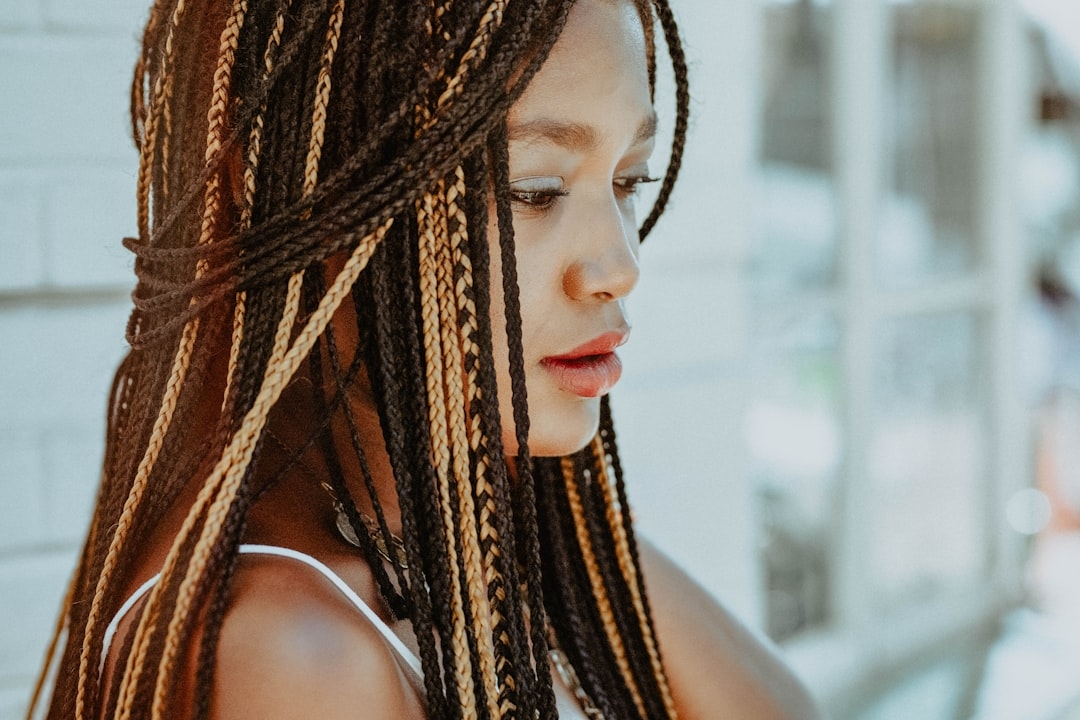
Thick hair handles the weight of extensions comfortably — the main challenge is concealment rather than capacity. Bonds and rings need to be correctly sized and positioned so they disappear into the existing density of the hair, particularly around the hairline and the parting where attachment points are most visible. Weft extensions tend to work particularly well for thick-haired clients, since the horizontal coverage of a weft blends naturally into existing volume without creating obvious attachment seams.
Extensions for Curly or Wavy Hair
Straight extensions applied to naturally curly hair is one of the most consistent failures in the industry. The extension hair won’t curl in the same way as the natural hair, a visible line of demarcation develops between the two textures, and the result looks nothing like what was intended. The solution isn’t to avoid extensions — it’s to match the extension’s curl or wave pattern to the natural hair.
Ivana Farisei’s dedicated range of hair extensions for curly hair addresses this directly. The brand stocks extensions across multiple curl and wave patterns, and its technicians are specifically experienced in the additional blending work that curly-hair integration requires. Getting this match right — from loose waves through to tighter spiral patterns — is one of the brand’s genuinely distinctive areas of expertise.
Extensions for Colour-Treated or Bleached Hair
Chemically processed hair — bleached, highlighted, or heavily toned — is typically more porous and structurally fragile than untreated hair. The cuticle layer is more open, moisture retention is reduced, and the hair’s overall tensile strength may be compromised. Extensions aren’t ruled out, but the method selection needs to account for this reduced resilience. Lighter-weight methods (nano-rings, lightweight tape-ins in smaller sections) tend to be safer than heavy keratin bond installations on significantly bleached hair. A thorough pre-consultation and, in some cases, a strand test are well worth having before proceeding.
Extensions for Short Hair
Extensions can be applied to hair as short as 7–10 centimetres at the attachment area. The achievable blend will vary depending on the overall length — shorter hair offers less natural cover for attachment points near the crown and parting. Tape-ins and micro-rings generally integrate better into shorter hair than full-weft methods. At Ivana Farisei, technicians are direct about what’s realistically achievable at each hair length. An honest consultation at this stage is far more useful than an optimistic one followed by a disappointing installation.
Hair Extension Cost UK: A Realistic Budget Breakdown for 2026
Understanding the full cost picture before you book prevents the kind of post-appointment surprise that is, unfortunately, still common in this industry. The hair extension cost uk varies considerably based on method, volume of hair required, desired length, and the skill level of the technician. Here’s what to realistically expect across the UK market in 2026:
- Clip-in extensions (100% Remy human hair): £80–£350 for a full set. One-off purchase with no installation fee. Lasting 12–18 months with good care.
- Halo extensions: £100–£400. No professional fitting required.
- Tape-in extensions: £300–£900 for full-head installation including hair and fitting. Move-up maintenance appointments every 6–8 weeks at £100–£250. Extension hair reusable across multiple applications.
- Micro-ring extensions: £400–£1,100 for full-head application. Maintenance every 6–8 weeks at £150–£300. Extension hair lasting 9–12 months before replacement.
- Keratin bond extensions: £500–£1,600 for full-head application. Lasting 4–6 months between reinstallation. Often the strongest cost-per-month value of any semi-permanent method at the quality end of the market.
- Weft extensions: £350–£1,000, depending on volume and application method.
These ranges cover the full UK market in 2026. At the lower end you’ll find less experienced technicians working with lower-grade hair. At the specialist end — which is where Ivana Farisei operates — pricing is personalised to the exact volume of hair required for each client’s specific result. There’s no vague “full head” estimate: every quote is based on what the assessment shows. That transparency is one of the brand’s consistent differentiators from more opaque salons.
The True Cost of Cutting Corners
Worth stating plainly: cheap extensions are almost never cheap in the longer run. A poor installation using low-quality hair can produce matting, slippage, uneven colour, an artificial appearance, and in worst-case scenarios, damage to the natural hair that costs significantly more to address than any initial saving. The corrective appointment, the subsequent hair treatments, and the cost of reinstalling extensions properly almost always outweigh whatever discount was applied to the original job. Investing in quality from a specialist at the start is consistently the more economical path over time.
Advanced Nuances: Maintaining Extensions for Maximum Longevity
The longevity of any extension method — and the health of the natural hair underneath — depends heavily on how the extensions are maintained after installation. These are the habits that experienced extension wearers develop and beginners often learn the hard way.
Washing Technique
Always use a sulphate-free shampoo. Sulphates degrade tape adhesives over time and can loosen bond structures. Work the shampoo gently from the scalp to mid-length, without scrubbing at the attachment points. Conditioner should be applied from mid-length to tips, avoiding the roots — product build-up at the bonds or rings can compromise the attachment over time. Rinse thoroughly, squeeze water out gently (never wring), and brush from tips upward to root with a loop brush or a soft-bristle brush specifically designed for extensions, supporting the hair above each section as you work.
Heat Styling
100% Remy human hair extensions respond well to heat styling, but repeated high temperatures applied directly to keratin bonds can soften them gradually. Use a thermal protectant whenever heat is involved, keep tools below 180°C where possible, and avoid clamping straighteners or curling wands directly over a bond or ring. The extension hair itself handles styling well — the attachment points are where care is most needed.
Overnight Care
A loose plait or low ponytail before bed prevents tangling through the night. A silk or satin pillowcase significantly reduces friction on both the extension hair and the natural hair above the attachment points. Brushing gently before sleep to remove any knots means you wake up to manageable hair rather than tangles that take considerable time and stress to work through.
Product Selection
Silicone-heavy products can cause slippage at tape adhesives. Alcohol-based styling products dry out the extension hair over time, accelerating dullness and shortening lifespan. Asking your Ivana Farisei technician for a specific product routine during your appointment is genuinely one of the most valuable minutes you’ll spend in consultation — the correct products extend the life of the extensions measurably and protect the investment you’ve made.
Hair Extensions vs. Wigs: Clearing Up a Common Confusion
First-timers occasionally mix up hair extensions and wigs, and it’s worth establishing a clear distinction — they solve different problems and are not interchangeable products.
Hair extensions are applied to existing hair that is present across the whole head. They add length, volume, or both by integrating with the natural hair already there. They’re designed for people who have a full head of hair and want more of it in terms of thickness or length.
Wigs cover the entire scalp, replacing the visual appearance of natural hair rather than supplementing it. They’re the appropriate solution for significant hair loss, medical hair loss (during or after treatment), or for anyone who wants to completely change their appearance without any chemical commitment to their own hair. Modern high-quality wigs can be extraordinarily natural-looking, but they function in an entirely different way from extensions.
If you’re experiencing notable thinning across a significant area of the scalp — rather than simply wanting more length or volume — a consultation with a Ivana Farisei technician will help identify whether extensions, a hair topper (which covers a localised thinning area), or a different solution altogether is the most appropriate approach. The right answer isn’t always extensions, and a specialist worth their reputation will tell you so.
Common Mistakes with Hair Extensions — And How to Avoid Them
These patterns appear across the industry with striking regularity. Knowing them in advance saves you the considerable frustration of learning them through experience.
Booking Without a Consultation
Deciding on a specific method before a consultation is one of the most avoidable mistakes. A proper consultation is a technical assessment — not a sales process. It identifies what your hair can and cannot support, sets realistic expectations about results, and ensures the recommended method genuinely suits your hair. At Ivana Farisei, the consultation always precedes the appointment, without exception. It’s the single step that prevents the greatest number of poor outcomes.
Making Price the Primary Filter
Budget is a real consideration, but making cost the dominant decision criterion puts you in front of less experienced technicians using lower-quality materials. Extensions are a skills-dependent service: the outcome is determined by the technician’s training and technique, not just the method and the hair. It’s far more effective — financially as well as practically — to save for a single quality application than to cycle through cheaper ones that disappoint.
Skipping Maintenance Appointments
Every semi-permanent extension method requires maintenance every six to eight weeks. Skipping these appointments doesn’t preserve your extensions — it shortens their lifespan, increases the risk of matting and tangling at the bonds, and creates a removal process that’s significantly more time-consuming and potentially more costly. Planning for maintenance appointments before the initial installation, rather than treating them as an inconvenience after the fact, is the sign of someone who’ll actually enjoy their extensions long-term.
Removing Extensions at Home
Attempting to remove semi-permanent extensions at home without professional-grade solvent and the correct technique is a reliable route to natural hair damage. Keratin bonds in particular require a careful, methodical dissolution process. Always have extensions removed by the technician who applied them, or by another qualified professional. The removal appointment carries exactly as much importance as the installation — it should never be skipped or attempted at home.
Using Incorrect Products
Standard supermarket shampoos containing sulphates, conditioning treatments loaded with silicones, and alcohol-heavy styling products all have the potential to compromise extension attachments or accelerate the deterioration of the extension hair. The product routine for extensions is different from the routine for natural hair alone — and following the specific recommendations from your technician makes a measurable difference to both the lifespan and the appearance of the installation.
Frequently Asked Questions
Which type of hair extension lasts the longest?
Keratin bond extensions consistently have the longest lifespan among semi-permanent methods — a well-maintained application typically lasts four to six months before full reinstallation is needed. Micro-ring extensions are close behind, and the extension hair itself can last up to 12 months before replacement, though repositioning maintenance is still required every six to eight weeks. Clip-ins and halos, as temporary options, can last many months or longer with proper care, but they need to be removed daily rather than worn continuously.
Can I colour my hair extensions after installation?
Yes, with important caveats. 100% Remy human hair can be toned or darkened, but significant lightening carries a real risk — extension hair doesn’t receive ongoing nutrients from a scalp, making it more vulnerable to chemical stress than natural hair. Toning down, adding warmth, or matching a colour shift is generally safe. Attempting to bleach extensions by several levels is not. Always consult your technician before any colour work on installed extensions. At Ivana Farisei, colour services on extensions are handled in-house under controlled conditions.
Are hair extensions suitable for fine hair?
Absolutely — when the method is correctly chosen. The key is using lightweight attachments: nano-rings, lightweight tape-ins in smaller-than-standard sections, or hand-tied wefts. The number of bonds should be calibrated to the hair’s actual strength and density, not applied by a standard formula. Incorrectly applied extensions can cause stress on fine hair; correctly applied by a specialist, they’re perfectly safe and can produce genuinely transformative results.
How do I know which extension method is right for me?
Through a professional consultation with a skilled technician. There’s genuinely no universal answer that applies across all hair types, lifestyles, and desired outcomes. A good consultation evaluates your hair’s actual condition and density, discusses your maintenance habits, lifestyle, and styling routine, and recommends the method that suits all of those factors together. Choosing based on what worked for a friend, or on what looks appealing in an Instagram video, regularly produces results that don’t match expectations.
How many times can extension hair be reused?
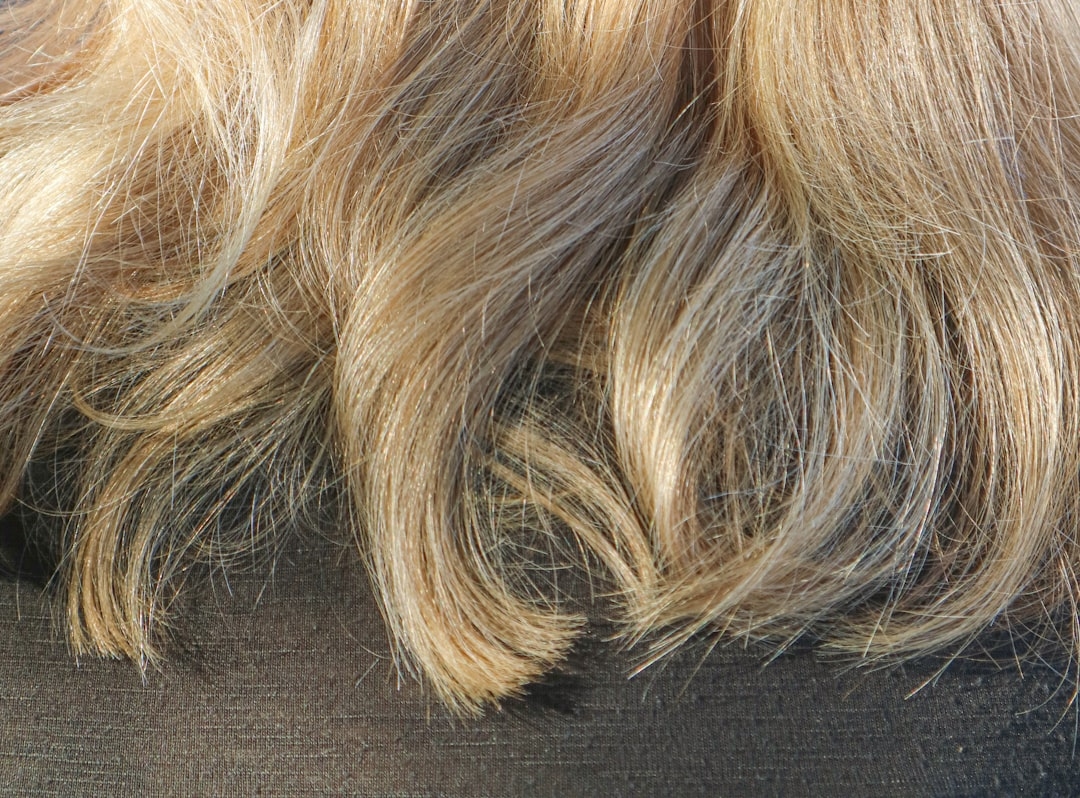
Remy human hair used in tape-in extensions can typically be re-taped and reinstalled two to three times before showing wear. Micro-ring and keratin bond extension hair can often last 9 to 12 months with proper care — the strands are detached at maintenance appointments, cleaned, and reinstalled with fresh bonds. This reusability is one of the strongest arguments for investing in quality Remy hair at the outset: the better the hair, the more applications it will withstand before replacement becomes necessary.