How to Curl Hair With a Wand: Master the Technique
8 min read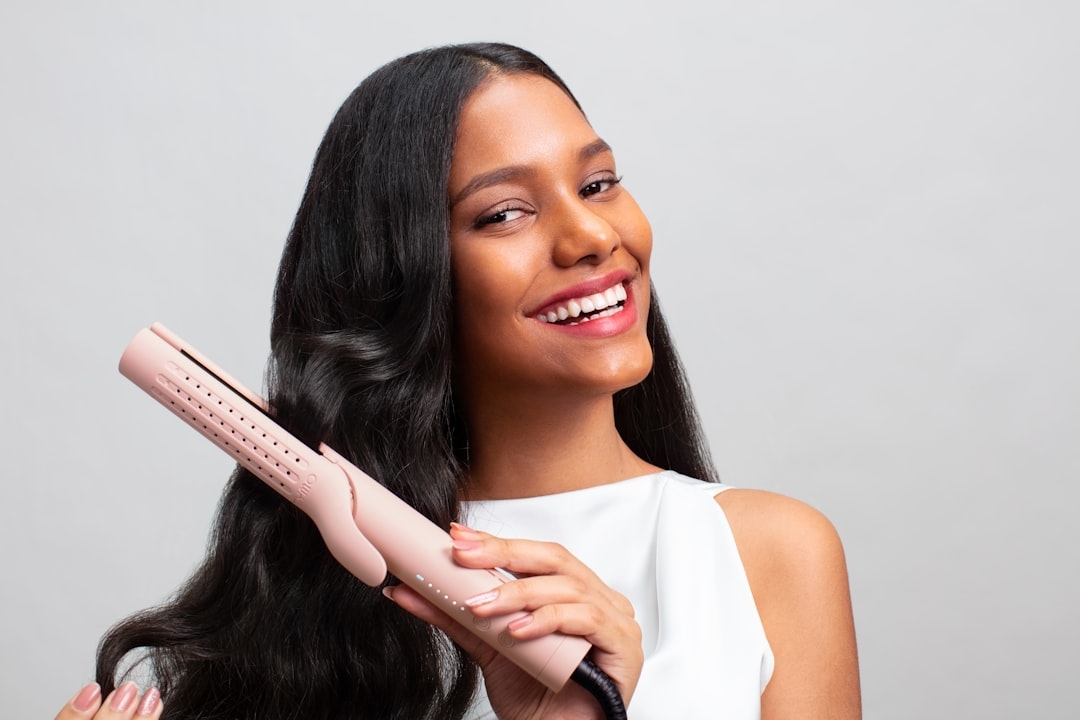
Contents:
- Understanding Curling Wands: Types and Heat Settings
- Curling Wand Specifications
- Wand Material and Quality
- Pre-Curling Preparation
- Hair Drying and Texture Preparation
- Sectioning for Control
- Heat Protectant Application
- Basic Curling Wand Technique: Step-by-Step
- Section Selection and Positioning
- Wrapping the Hair
- Heat Timing
- Releasing the Curl
- Variations: Creating Different Curl Types
- Tight Spiral Curls
- Loose Waves
- Mixed Curls for Natural Texture
- Seasonal and Event Timing Considerations
- Summer Curling (June–August)
- Winter Curling (December–February)
- Spring and Autumn Transitional Seasons
- Event-Based Curling
- Common Mistakes and How to Avoid Them
- Curling Damp Hair
- Using Heat That’s Too High
- Wrapping Inconsistently
- Touching Warm Curls
- Using Too Much Product
- Budget Breakdown: Curling Wand Costs
- Equipment Investment
- Ongoing Product Costs
- Total Annual Investment
- Maintenance and Wand Care
- Cleaning the Barrel
- Cord and Plug Safety
- Lifespan and Replacement
- FAQ: Curling Wand Technique Questions
- How tight should you wrap hair around a curling wand?
- Can you curl wand on wet hair?
- How long do curling wand curls last?
- Is it bad to curl your hair every day with a wand?
- What size barrel creates the best curls for beginners?
- Getting Started With Curling Wands
Would you prefer beautiful, effortless-looking curls that last all day? Curling wands make this achievable for anyone willing to learn the technique. Curling wands differ fundamentally from curling irons (which have clamps) or straighteners (which have flat plates). The barrel is exposed, allowing you to wrap hair around it for custom curl control. Mastering how to curl hair with a wand opens styling possibilities that traditional tools struggle to deliver. Once you understand the technique, you’ll create salon-quality curls at home consistently.
Understanding Curling Wands: Types and Heat Settings
Curling Wand Specifications
Curling wands range from 0.75 inches to 1.5 inches in barrel diameter. Smaller barrels (0.75–1 inch) create tighter, more defined curls. Larger barrels (1.25–1.5 inches) create looser, more voluminous waves. Choose barrel size based on desired curl type: thick, bouncy curls need large barrels; tight, springy curls need small barrels.
Heat settings range from 100°C to 230°C. Fine or delicate hair: 150–180°C. Normal hair: 180–200°C. Thick or coarse hair: 200–230°C. Using appropriate temperature is critical—excessive heat damages hair whilst insufficient heat won’t set curls properly.
Wand Material and Quality
Professional wands have ceramic, tourmaline, or ionic barrels that distribute heat evenly and reduce damage. Budget wands (£10–£20) have metal barrels that heat unevenly and damage hair comparatively. Mid-range wands (£30–£60) offer good performance; professional wands (£60–£150) provide superior results if you’re serious about curling regularly.
T3 Whirl (£140–£160) and GHD Curve (£155–£175) are premium options. More affordable quality options include Revlon One-Step and Dyson Corrale (both £80–£100). For beginners testing whether curling regularly is realistic, a £30–£50 wand is sensible; upgrade if you find yourself using it daily.
Pre-Curling Preparation
Hair Drying and Texture Preparation
Curls set best on completely dry hair. Damp hair won’t hold shape; the heat energy dissipates into moisture rather than setting the curl. Blow-dry your hair fully before beginning. For best results, blow-dry with the direction you want curls to fall—styling in one direction during blow-drying and then curling the same direction creates more polished results.
Texture spray or mousse applied to damp hair before blow-drying helps curls last longer. These products provide grip that allows curls to hold better. Apply to roots and mid-lengths (not ends, which can look product-heavy), then blow-dry as normal.
Sectioning for Control
Divide hair into 4–8 sections using clips. More sections make curling faster and more consistent; fewer sections means larger sections harder to manage. For medium-length hair, 4–6 sections is ideal. Fine or thin hair benefits from more sections (8+) to avoid overwhelming any single section with heat.
Heat Protectant Application
Apply heat protectant spray (£6–£10 per bottle) to each section before curling. This creates a protective barrier reducing heat damage. Spray from 6–8 inches away and comb through to distribute evenly. Heat protectant dramatically reduces curl damage and is non-negotiable for frequent curling.
Basic Curling Wand Technique: Step-by-Step
Section Selection and Positioning
Start with a section from the bottom layers (underneath), working upward. This ensures you won’t miss sections and the top layers will look polished covering any slight imperfections beneath. Take a 1–2 inch thick, 2–3 inch wide section (roughly the width of your wand barrel).
Position the wand approximately 1 inch from the roots. Don’t start right at the scalp—this risks scalp burns. Hold the wand barrel away from your head slightly, with the wand angled downward.
Wrapping the Hair
Take the hair section and wrap it around the barrel away from your face (wrapping toward your head is more intuitive and creates more flattering curls). Wrap the hair starting near the roots, spiralling down the barrel. You’re creating a spiral around the barrel, not a single loop.
Wrap should be smooth and even—no overlapping or gaps in the wrap. Uneven wrapping creates uneven curls with some sections curled tighter than others. This takes practice; your first attempts may be sloppy, but muscle memory develops quickly.
Heat Timing
Hold the section around the barrel for 8–12 seconds for fine hair, 12–15 seconds for normal hair, 15–20 seconds for thick hair. Don’t move the wand up or down—just hold steady. The time depends on hair thickness and temperature set; thicker hair at lower temperatures needs longer processing.
Releasing the Curl
Gently unwrap the hair from the barrel by sliding the barrel out whilst keeping the hair coiled. The curl will spring into shape. Let it cool slightly in a loose curl shape before moving to the next section—heat sets the curl; cooling solidifies it. Touching or over-handling the warm curl disturbs the shape.
For tighter curls, use smaller sections and longer heat time. For looser waves, use larger sections and shorter heat time.
Variations: Creating Different Curl Types
Tight Spiral Curls
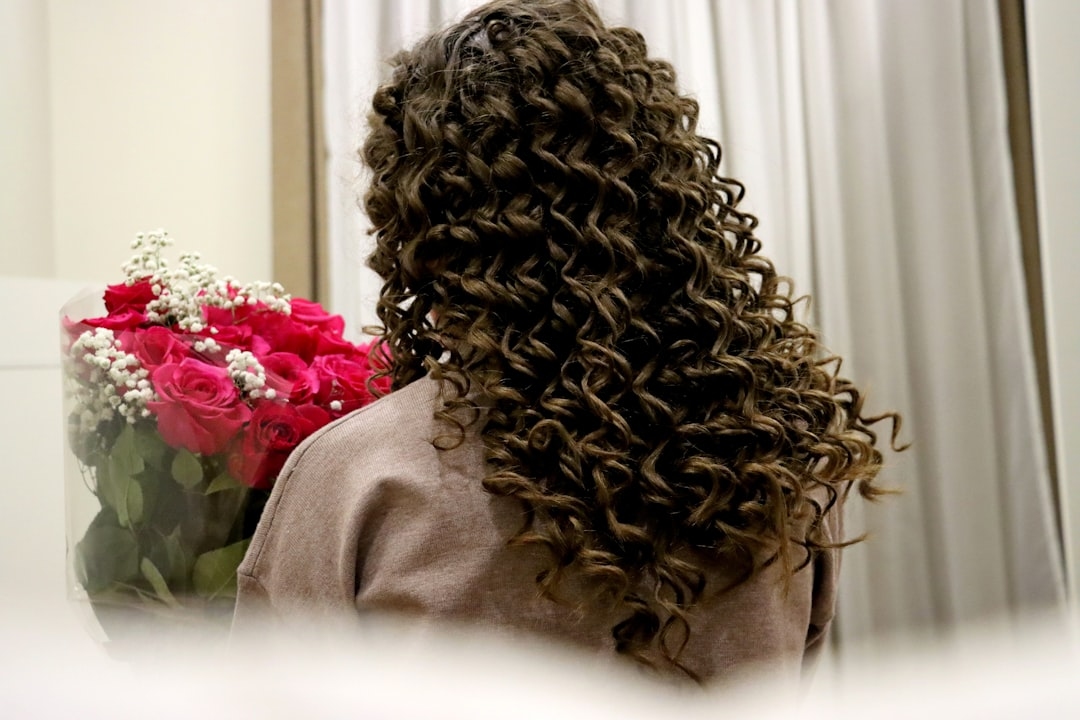
Use smaller barrel (0.75 inches), hotter temperature (200°C), smaller sections (1 inch wide), and longer heat time (15–20 seconds). Wrap tightly and hold firmly. Result: tight, defined curls that last 24+ hours.
Loose Waves
Use larger barrel (1.5 inches), lower temperature (180°C), larger sections (3 inches wide), and shorter heat time (8–10 seconds). Wrap loosely. Result: soft, beachy waves that last 8–12 hours.
Mixed Curls for Natural Texture
Alternate between tight and loose sections, varying wrap tightness and heat time. This creates multidimensional, natural-looking curls that don’t appear uniform or artificial. Professional stylists use this approach for polished, effortless results.
Seasonal and Event Timing Considerations
Summer Curling (June–August)
Heat and humidity work against curl longevity. Curls set in summer typically last 6–8 hours before humidity loosens them. Use anti-frizz products (£6–£10 per bottle) applied before curling to seal the cuticle. Apply light hairspray (not heavy lacquer) after curling to set shape against humidity.
Winter Curling (December–February)
Dry air actually helps curls last longer (up to 24+ hours). The trade-off: hair itself is drier, requiring more heat protectant and conditioning. Winter is ideal for practicing curling because you’ll see better curl hold and can focus on technique rather than fighting humidity.
Spring and Autumn Transitional Seasons
Moderate humidity means moderate curl longevity (12–16 hours). These seasons are ideal for testing if curling is a sustainable routine before committing to equipment investment.
Event-Based Curling
For events where curls must last all day: curl the night before using slightly hotter temperature (5°C higher than normal) and longer heat time (add 3–5 seconds). Set with firm hairspray. Sleep with curls loosely pinned to minimize disturbance. Curls will relax slightly overnight but maintain shape through the next day.
Common Mistakes and How to Avoid Them
Curling Damp Hair
Damp hair doesn’t hold curl. The heat energy goes into evaporating moisture rather than setting curl shape. Always blow-dry completely before curling, without exception.
Using Heat That’s Too High
Excessive heat damages hair and doesn’t create better curls. 200°C creates adequate curls on most hair types; exceeding this causes unnecessary damage. Start at lower temperatures and increase only if curls aren’t forming.
Wrapping Inconsistently
Loose wrapping plus tight wrapping on the same head creates uneven curls. Focus on even, consistent wrapping technique. Uneven curls often look intentional when they’re actually accidental—consistency matters more than perfection.
Touching Warm Curls
Handling curls whilst warm disrupts the set. Let each curl cool 30–60 seconds before proceeding to the next section. This cooling time is critical for lasting curls.
Using Too Much Product
Heavy products weigh curls down, destroying definition. Use light texture sprays or mousse sparingly (apply to roots only), not heavy styling creams. Let the curl formation from the wand do most of the work.
Budget Breakdown: Curling Wand Costs
Equipment Investment
- Budget curling wand (£15–£30): Works adequately; uneven heating, shorter lifespan
- Mid-range wand (£40–£80): Good performance, even heating, lasts 3–5 years
- Professional wand (£100–£160): Excellent results, even heating, lasts 5–7 years
Ongoing Product Costs
- Heat protectant spray (£6–£10, lasts 3 months) = £2–£3 per month
- Texture spray or mousse (£5–£8, lasts 2–3 months) = £2–£3 per month
- Monthly heat-styling product costs: £4–£6
Total Annual Investment
Mid-range wand (£60) plus annual product costs (£60) = £120 first year, then approximately £60 annually for products. Compared to salon blowouts (£30–£50 each, once weekly = £120–£200 monthly), home curling is dramatically more economical.
Maintenance and Wand Care
Cleaning the Barrel
Product buildup on the barrel reduces heat distribution and creates sticky residue on hair. Clean the barrel weekly with a damp cloth after the wand cools completely. For stubborn buildup, use a slightly damp cloth with a drop of shampoo, then wipe clean with water.
Cord and Plug Safety
Inspect the cord regularly for damage. Replace the wand immediately if you notice fraying or exposed wires. Store in a cool, dry place with the cord loosely coiled (not kinked), avoiding moisture that could cause electrical damage.
Lifespan and Replacement
Quality wands last 5–7 years with proper care. If your wand stops heating evenly or isn’t reaching target temperature, replacement is due. Continuing to use a failing wand wastes time and potentially damages hair.
FAQ: Curling Wand Technique Questions
How tight should you wrap hair around a curling wand?
Snugly but not dangerously tight. The hair should be in firm contact with the barrel throughout the wrap, but not so tight you risk pulling or damaging hair. Loose wrapping means poor curl definition; too-tight wrapping risks breakage. The tension between firm contact and comfort takes a few attempts to calibrate.
Can you curl wand on wet hair?
Not effectively. Wet hair won’t hold curl shape; the moisture prevents proper curl setting. However, very slightly damp hair (approximately 10% moisture) can work if you’re in a hurry—just expect curls to last only 6–8 hours instead of 12–24 hours.
How long do curling wand curls last?
8–24 hours depending on hair type, humidity, product used, and curl tightness. Fine hair typically holds curls 8–12 hours. Thick hair holds curls 16–24 hours. Humidity dramatically reduces longevity. Summer curls might last 6–8 hours; winter curls 20–24 hours.
Is it bad to curl your hair every day with a wand?
Daily curling with proper heat protectant and moderate temperatures is sustainable long-term. However, occasional heat-free styling days (braids, buns, or natural texture) allow hair to recover. If you’re curling daily, intensive conditioning weekly (not monthly) is essential to offset cumulative heat damage.
What size barrel creates the best curls for beginners?
1.25-inch barrels are ideal for beginners—they create soft waves that are forgiving of inconsistent technique. Smaller barrels require more precision; larger barrels are harder to wrap evenly. Once you’re comfortable, experiment with different sizes to find your preference.
Getting Started With Curling Wands
Learning how to curl hair with a wand takes practice—expect your first attempts to look less polished than later ones. Your first session might produce uneven curls; this is normal. By your third or fourth attempt, muscle memory develops and results improve dramatically.
Invest in a mid-range wand (£40–£80) and quality heat protectant (£8–£10). Practice once or twice weekly to develop consistency. Once comfortable, daily curling becomes quick (15–20 minutes) and automatic. The investment in time and equipment is repaid by years of salon-quality curls at home.