How to Get Thicker Hair: A Complete Guide
6 min read
Contents:
- Understanding Hair Thickness: Genetics vs. Controllable Factors
- Nutrition: The Foundation for Thicker Hair
- Protein: Non-Negotiable Foundation
- Iron: Critical for Oxygen Transport
- Zinc: Follicle Cell Division
- B Vitamins: Energy and Keratin Synthesis
- Omega-3: Inflammation Reduction and Shaft Strength
- Vitamin D: Follicle Cycling
- Scalp Health: Inflammation Reduction
- Anti-Inflammatory Shampoos
- Scalp Massage
- Reduce Heat and Chemical Damage
- Supplements for Thicker Hair
- Styling for Thicker-Appearing Hair
- Timeline to Visible Thickness Improvement
- FAQ: Getting Thicker Hair
- Can you make genetically thin hair thick?
- How long before thicker hair is visible?
- Should I use protein treatments for thickness?
- Does caffeine really make hair thicker?
- Can prescription medications make hair thicker?
- Your Action Plan for Thicker Hair
Thicker hair is often perceived as healthier and more attractive. The good news: you’re not stuck with genetically thin hair. Approximately 30% of perceived thinness stems from factors you can control: nutrition, scalp health, styling, and damaging practices. Addressing these can make hair appear and actually be thicker.
Understanding Hair Thickness: Genetics vs. Controllable Factors
Hair thickness is determined roughly 80% by genetics and 20% by lifestyle. Your genetic ceiling is fixed, but most people fail to reach it due to poor nutrition, scalp inflammation, or damaging practices.
Think of it like fitness: genetics determines your muscular potential, but most people don’t achieve it due to poor exercise and diet. Hair thickness works similarly. Optimising the controllable 20% can move you from 60% of your genetic potential to 95%.
Nutrition: The Foundation for Thicker Hair
Hair requires specific nutrients to grow thick and strong. Deficiency in any causes thinning regardless of genetics.
Protein: Non-Negotiable Foundation
Hair is 95% protein. Insufficient intake directly reduces shaft thickness. Most people need 50g daily (roughly 175g per week). Quick sources: eggs (6g per egg), chicken breast (31g per 100g), yoghurt (10g per cup), lentils (9g per cooked cup).
Cost of adequate protein: negligible if sourcing from food. If supplementing (protein powder), £10–20 monthly provides additional 25–30g daily.
Iron: Critical for Oxygen Transport
Iron deficiency is the most common nutritional deficiency in women and directly causes hair thinning. Low iron reduces oxygen delivery to follicles, shortening the growth phase. Blood test (free NHS) confirms status. Optimal levels: ferritin 50–200 ng/ml.
If deficient, supplementation (ferrous sulphate 18mg daily for women, 8mg for men) restores growth within 3–6 months. Cost: £2–5 monthly.
Zinc: Follicle Cell Division
Zinc is essential for cell division in the hair matrix. Deficiency causes diffuse hair thinning. RDA is 15mg daily. Sources: oysters (high but expensive), beef, pumpkin seeds, chickpeas. Supplemental zinc: £3–6 monthly at recommended doses (avoid exceeding 40mg daily, which can cause copper deficiency).
B Vitamins: Energy and Keratin Synthesis
B vitamins support keratin synthesis and hair follicle energy production. Biotin (discussed separately) is one; B12 and folate matter equally. A B-complex supplement (£3–5 monthly) covers all B vitamins and is cheaper than individual supplements.
Omega-3: Inflammation Reduction and Shaft Strength
Omega-3 reduces scalp inflammation and strengthens the hair shaft. 1,000–1,500mg daily from fish oil (£8–15 monthly) or algae oil (£15–25 monthly for vegan option) shows measurable improvement within 3–6 months.
Vitamin D: Follicle Cycling
Vitamin D deficiency impairs hair follicle cycling and causes telogen effluvium. UK residents are typically deficient October–April. Supplementing 1,000–2,000 IU daily (£3–5 monthly) maintains adequate levels. Test levels if concerned (optimal: 30–50 ng/ml).
Scalp Health: Inflammation Reduction
A inflamed scalp constricts blood vessels, reducing nutrient delivery to follicles. Addressing scalp inflammation makes hair noticeably thicker within weeks.
Anti-Inflammatory Shampoos
Ketoconazole 2% (Nizoral): Reduces fungal-driven inflammation. Use 2–3 times weekly. Cost: £7–9 per bottle. Visible improvement in hair thickness within 3–4 weeks if inflammation is present.
Caffeine-based shampoos (Alpecin): Stimulate scalp and reduce inflammation. Use daily. Cost: £4–6 per bottle. Improvements visible within 4–6 weeks.
Salicylic acid (low-dose, 1–2%): Gentle exfoliation removes buildup, reducing inflammation. Use 1–2 times weekly. Cost: £5–8. Improvements within 2–3 weeks.
Scalp Massage
Daily 5-minute scalp massage improves blood flow by 20–25%. Use fingertips in circular motions, spending 30 seconds on each area of the scalp. Cost: free. Results: improved thickness and reduced shedding within 4–6 weeks with consistency.
Reduce Heat and Chemical Damage
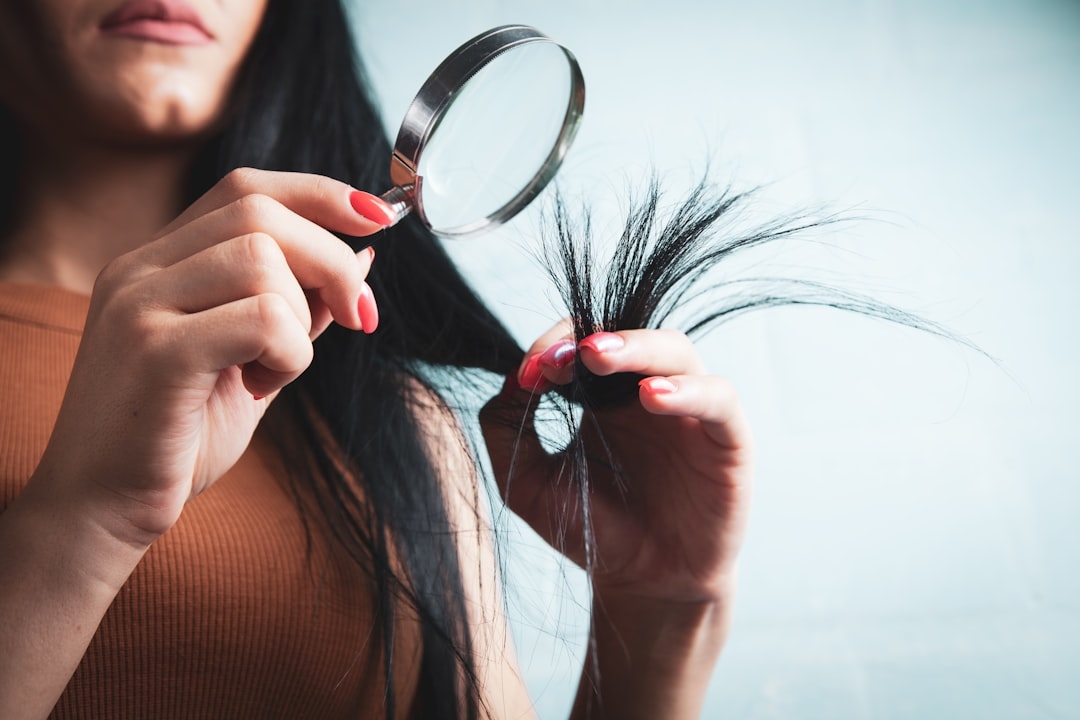
Excessive heat (blow-drying daily at high heat) and chemical treatments (frequent colouring, relaxing) damage the hair shaft, making it appear thinner. Reduce heat styling to 1–2 times weekly, use heat protectant spray (£5–10), and extend time between chemical treatments (colour every 8–10 weeks rather than every 6).
Supplements for Thicker Hair
Targeted supplements accelerate thickness gains beyond nutrition alone.
- Collagen (hydrolysed): 5–10g daily. Strengthens the hair shaft, improving thickness and reducing breakage. Results within 8–12 weeks. Cost: £15–30 monthly. Evidence: moderate-to-strong.
- Omega-3: 1,000–1,500mg daily. Reduces inflammation, improves scalp health. Results within 8–12 weeks. Cost: £8–20 monthly. Evidence: strong.
- Biotin: 1,000–2,500 micrograms daily. Supports keratin synthesis. Results subjective but appear within 6–8 weeks. Cost: £3–8 monthly. Evidence: weak-to-moderate if already biotin-adequate.
- Combined hair vitamins (Viviscal, Nutrafol, Perfectil): £15–40 monthly. Combine multiple micronutrients; convenient but expensive. Evidence: moderate if deficiencies exist.
Most impactful combination: omega-3 + collagen + ensuring protein/iron/zinc adequacy.
Styling for Thicker-Appearing Hair
Whilst addressing actual thickness internally, styling tricks immediately improve appearance:
- Layered cuts: Layers create movement and reduce weight, making hair appear fuller. £25–50 at most UK salons. Restyle every 6–8 weeks to maintain shape.
- Textured products: Sea salt sprays, texturizing powders, and volumising mousses add grip and dimension, creating thickness illusion. Cost: £5–12 per product.
- Root lift: Blow-dry with your head inverted for the first few minutes, lifting roots upward. This creates volume at the base, making hair appear fuller. Time: 2 minutes extra per wash.
- Shorter length: Long, thin hair appears thinner; shorter lengths (shoulder-length or above) appear denser. Consider cutting 2–4 inches if comfortable.
- Strategic colouring: Darker roots with lighter ends (balayage/highlights) create depth, making thin hair appear thicker. Cost: £60–150 professionally.
Timeline to Visible Thickness Improvement
Weeks 1–4: Address nutrition and scalp health. Styling improvements are immediate. Actual thickness gains begin but aren’t visible yet.
Weeks 4–8: Scalp inflammation decreases; hair shaft strengthens slightly. Texture improvements appear; hair feels healthier.
Weeks 8–16: Visible thickness improvement as new growth cycle includes healthier, thicker hairs. Density increases noticeably.
Months 4–6: Maximal improvement as new, thicker hair replaces thinned hair from previous growth cycles.
FAQ: Getting Thicker Hair
Can you make genetically thin hair thick?
You can’t change your genetic thickness ceiling, but you can get close to it. Most thin-haired people operate at 60–70% of their genetic potential due to poor nutrition and scalp health. Optimising these factors can move you toward 90–95% of genetic potential. The result is noticeably thicker hair, even if it’s not equivalent to genetically thick hair.
How long before thicker hair is visible?
Styling improvements are immediate. Texture and feel improvements appear within 4–6 weeks. Visible density improvement requires 8–16 weeks of consistent effort. Don’t expect overnight results; hair growth and structural changes take time.
Should I use protein treatments for thickness?
Protein treatments (applied topically) coat the hair shaft, creating temporary thickness. They don’t permanently thicken hair. Use them for special occasions or to improve appearance whilst working on actual thickness through nutrition. Cost: £5–15 per treatment at home, £30–60 professionally.
Does caffeine really make hair thicker?
Caffeine stimulates scalp blood flow and extends the hair growth phase slightly. Effects are modest but real: most studies show 10–15% improvement in hair thickness with consistent use. It’s not a cure but a useful supporting tool.
Can prescription medications make hair thicker?
Minoxidil (Regaine) and finasteride (Propecia) improve thickness in pattern baldness by stimulating growth and blocking DHT. Both require 3–6 months of consistent use. Discuss with your GP if interested; prescriptions vary in availability on NHS.
Your Action Plan for Thicker Hair
Implement these steps in order:
- Nutrition audit: Ensure 50g daily protein, adequate iron, zinc, and B vitamins. Blood test (free NHS) confirms micronutrient status.
- Add omega-3: 1,000–1,500mg daily. Cost: £8–20 monthly. Benefits: reduced inflammation, improved scalp health.
- Anti-inflammatory shampoo: Ketoconazole or caffeine-based. Cost: £5–10 monthly. Benefits: visible thickness within 3–4 weeks if inflammation present.
- Scalp massage: 5 minutes daily. Cost: free. Benefits: improved blood flow, thicker hair within 6 weeks.
- Reduce heat damage: Air-dry when possible; limit blow-drying to 1–2 times weekly. Cost: free. Benefits: stronger, thicker-appearing hair within 2–3 weeks.
- Styling optimisation: Layered cut, texturising products. Cost: £25–50 initially plus £5–12 for products. Benefits: immediate appearance improvement.
By month 3, you’ll likely notice thicker-feeling and thicker-appearing hair. By month 6, actual density improvement becomes visible. Maintain these practices long-term; discontinuing nutrition and scalp care reverses improvements within 2–3 months.