What Is Textured Hair? A Complete Guide to Caring for Your Natural Waves and Curls
6 min read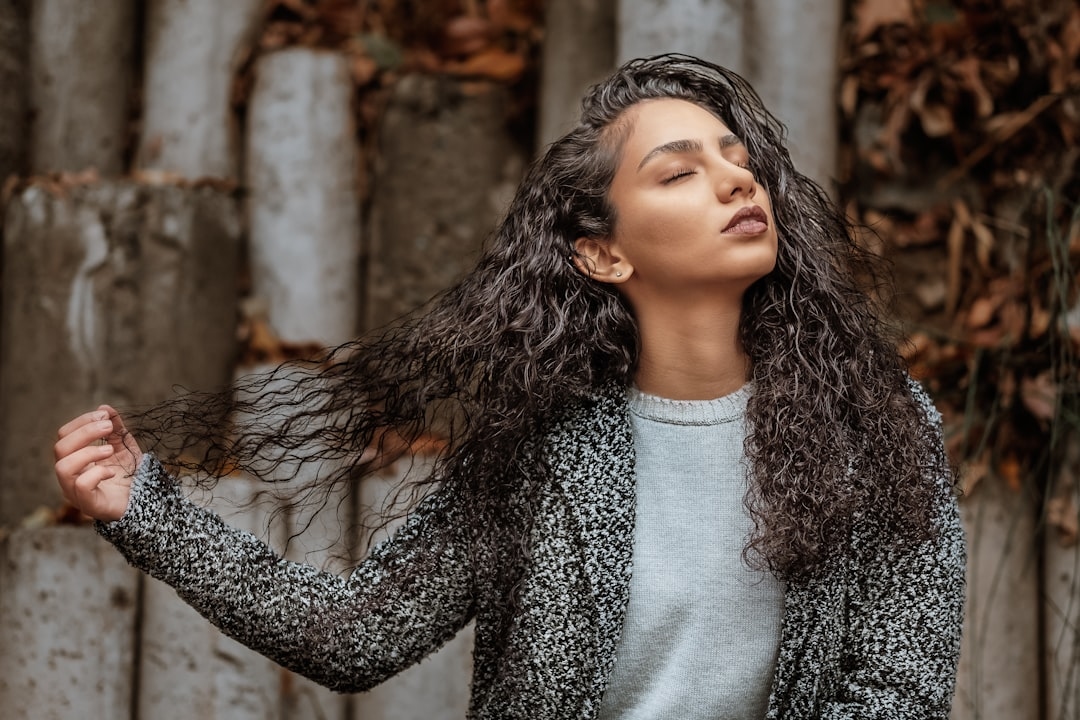
Contents:
- Understanding Hair Texture: The Basics
- Types of Textured Hair Patterns
- Type 2: Wavy Hair
- Type 3: Curly Hair
- Type 4: Coily Hair
- Common Mistakes to Avoid with Textured Hair
- Essential Care Routine for Textured Hair
- Cleansing
- Conditioning
- Styling
- Drying
- Sustainability in Textured Hair Care
- Styling Techniques for Textured Hair
- Embracing Your Natural Textured Hair
- FAQ: Common Questions About Textured Hair
- What exactly is textured hair, and is it different from curly hair?
- Can you change your textured hair type?
- How often should I wash textured hair?
- What’s the best product for my textured hair?
- Does textured hair require protective styling?
Have you ever stood in the shower wondering why your hair behaves so differently to the sleek styles you see in magazines? That difference might just be textured hair—and it’s not something to fight against. It’s something to work with.
Textured hair is simply hair that has a natural curl pattern, wave formation, or coil structure rather than growing perfectly straight. Instead of hair strands growing parallel to your scalp, textured hair has bends, spirals, or waves built into its structure. This isn’t a defect or problem; it’s a natural variation in how hair grows across different ethnicities and individuals.
Understanding Hair Texture: The Basics
Your hair texture is determined by the shape of your hair follicles. Straight hair grows from round follicles, while textured hair grows from flat or curved follicles. This simple difference creates the curls, waves, and coils you see. The tighter the follicle curve, the tighter your curl pattern will be.
What is textured hair in practical terms? It’s hair that requires different care routines than straight hair. It tends to be drier because natural oils produced at the scalp don’t travel as easily down the curved hair shaft to the ends. This means textured hair often needs more moisture, specific products, and tailored styling techniques.
Types of Textured Hair Patterns
Textured hair isn’t one-size-fits-all. The hair typing system, developed by hairstylist André Walker in the 1990s, categorises hair into four main categories, with textured hair generally falling into types 2, 3, and 4.
Type 2: Wavy Hair
Wavy hair has a gentle S-shaped pattern. It sits somewhere between straight and curly. Type 2 waves range from loose and barely visible waves (2A) to more pronounced zigzag patterns (2C). Wavy hair often struggles with frizz and benefits from products that define the wave pattern without weighing it down.
Type 3: Curly Hair
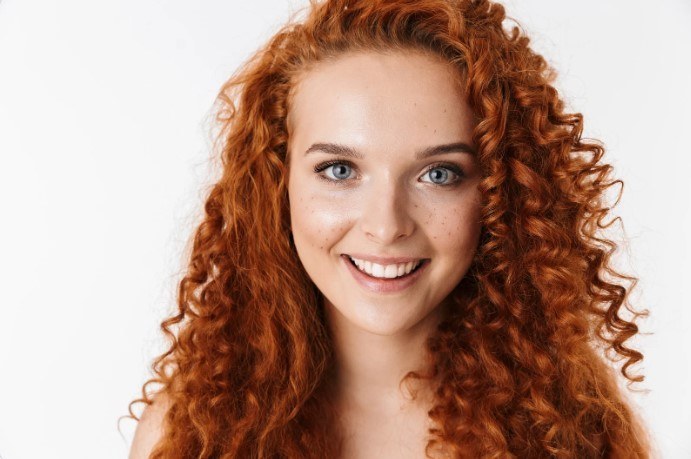
Curly hair has a distinct spiral or corkscrew pattern. Type 3 curls range from loose ringlets (3A) to tight corkscrews (3C). This textured hair type typically has more volume and requires moisture-rich products. Many people with type 3 hair find that their curls spring up to 8-10 centimetres when properly hydrated and styled.
Type 4: Coily Hair
Coily hair, also called kinky or coily textured hair, has tight, densely packed coils or zig-zag patterns. Type 4 hair is the most delicate texture and requires consistent moisture and gentle handling. The tight coil pattern means products need to penetrate deeply to hydrate each strand properly.
Common Mistakes to Avoid with Textured Hair
Many people with textured hair inadvertently damage it through common habits. Using regular brushes designed for straight hair breaks curls and creates frizz—invest in a wide-tooth comb or curl-specific brush instead. Shampooing too frequently strips natural oils from textured hair; most people with this hair type benefit from washing just 1-2 times weekly.
Another mistake is using silicones and sulphates that coat the hair and prevent moisture penetration. These ingredients accumulate over time and make textured hair look dull and feel heavy. Opt for sulphate-free shampoos and silicone-free conditioners designed for curly or coily hair. Finally, avoid combing dry hair. Textured hair breaks easily when dry; always detangle while wet and conditioned.
Essential Care Routine for Textured Hair
Caring for textured hair requires a different approach than straight hair care. Here’s what actually works:
Cleansing
Use a sulphate-free cleanser once or twice weekly. Many people with textured hair prefer co-washing (using conditioner to cleanse) on between-wash days. This method is gentler and maintains moisture levels better than traditional shampooing. When you do shampoo, focus on the scalp and roots, not the entire length.
Conditioning
Conditioning is non-negotiable for textured hair. Leave a rich conditioner on your strands for 5-10 minutes after cleansing. Consider weekly deep conditioning treatments with ingredients like shea butter, coconut oil, or argan oil. These treatments penetrate the hair shaft and restore moisture that textured hair naturally loses.
Styling
Apply products to soaking wet hair for best results. Use a leave-in conditioner as your base, then add curl creams or gels depending on your texture type. Priced between £8-£15 for quality products, curl-defining creams offer better hold than heavier pomades. Avoid touching your hair while it dries to prevent frizz.
Drying
Never rough-dry textured hair with a regular towel. Instead, use a microfibre towel or cotton t-shirt to gently squeeze out excess water. If using a blow dryer, attach a diffuser attachment to distribute heat evenly and prevent breakage. Air-drying whenever possible is ideal for textured hair health.
Sustainability in Textured Hair Care
The textured hair care industry has embraced sustainable practices that benefit both your hair and the planet. Many brands now offer concentrates and refillable products, reducing packaging waste significantly. Look for shampoos and conditioners in glass bottles or cardboard packaging.
Choose products made with sustainable ingredients. Shea butter sourced from fair-trade suppliers, organic coconut oil, and plant-based gels are increasingly common in quality textured hair product ranges. These choices support ethical production and often outperform synthetic alternatives at similar price points of £10-£20 for premium options.
Styling Techniques for Textured Hair
Once you understand your textured hair type, styling becomes easier. For wavy hair, try the “plopping” method: wrap wet hair in a cotton t-shirt for 15-20 minutes to enhance wave definition. For curly textured hair, finger-coiling individual curls while product is wet locks in the pattern. For coily hair, protective styles like braids, twists, and buns reduce manipulation and breakage.
Refresh textured hair between washes using a spray bottle filled with water and a bit of leave-in conditioner. This rejuvenates your curl pattern without requiring a full wash. Many people refresh 2-3 times weekly, keeping their textured hair looking fresh and defined.
Embracing Your Natural Textured Hair
Understanding what is textured hair helps you stop fighting against your natural texture and start working with it. Your textured hair is an asset, not a problem requiring fixing. The right products, techniques, and routine transform textured hair from frustrating to fabulous.
Start with a simple routine: sulphate-free cleanser, quality conditioner, and a leave-in product that suits your specific curl or wave pattern. Commit to this for at least four weeks. You’ll notice improved definition, less frizz, and healthier-looking hair. Many people report that their textured hair thrives once they stop using products designed for straight hair and adopt a routine tailored to their specific texture.
FAQ: Common Questions About Textured Hair
What exactly is textured hair, and is it different from curly hair?
Textured hair is an umbrella term for any hair with a natural pattern—waves, curls, or coils. Curly hair is one type of textured hair, specifically hair with spiral or ringlet patterns. Type 2 wavy hair and Type 4 coily hair are also textured but not curly.
Can you change your textured hair type?
No, your natural texture is determined by your follicle shape and genetics. However, you can enhance or define your existing texture with proper care, products, and styling techniques. Heat damage and chemical treatments can permanently alter texture, but proper maintenance reveals your true natural pattern.
How often should I wash textured hair?
Most people with textured hair wash 1-2 times weekly. Some prefer co-washing every 2-3 days with a full shampoo once weekly. Listen to your scalp and hair—if it feels dry and brittle, reduce washing frequency. If it feels oily at the roots, you might increase slightly.
What’s the best product for my textured hair?
The best product depends on your specific texture type (wavy, curly, or coily) and your hair’s porosity level. Experiment with products designed for your texture type, prioritising sulphate-free formulas with natural oils and butters. Most effective textured hair products cost £8-£20 per item.
Does textured hair require protective styling?
Protective styles like braids, twists, and buns reduce daily manipulation and breakage, making them beneficial for textured hair health. However, they’re optional. Many people maintain healthy textured hair without protective styling, using gentle handling and proper moisture instead.