How to Use a Hair Pin: The Complete Styling Guide
10 min read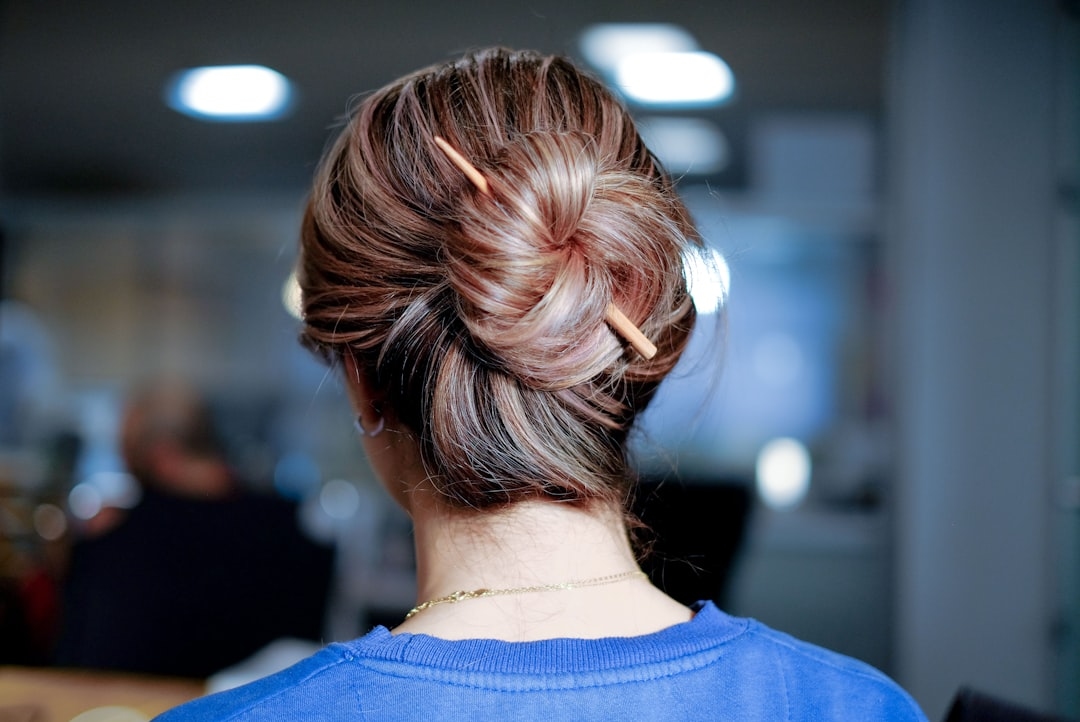
Contents:
- Understanding Hair Pins and Their Purpose
- How to Use a Hair Pin: Step-by-Step Technique
- Preparing Your Hair
- Creating a Section to Pin
- The Insertion Method
- Layering Multiple Pins
- Common Hair Pin Mistakes and How to Avoid Them
- Using Smooth or Damaged Pins
- Inserting Pins Too Superficially
- Pinning Flat or Unstructured Hair
- Forgetting About Hair Underneath
- Hair Pin Techniques for Specific Styles
- The Classic Chignon or Low Bun
- The Twisted Side Style
- Loose Curls and Waves Secured with Pins
- Seasonal Considerations and Styling Calendar
- Spring and Summer Styles (March to August)
- Autumn and Winter Styles (September to February)
- Eco-Friendly and Sustainable Hair Pin Practices
- Troubleshooting Common Issues
- Visible Bumps or Lumps Under Pinned Hair
- Pins Slipping Out Within Hours
- Hair Breakage Around Pinned Areas
- Static and Frizz Around Pinned Curls
- Frequently Asked Questions
- How many hair pins do I need for a full updo?
- Can I use hair pins on short hair?
- What’s the difference between a hair pin and a bobby pin?
- How long can I safely wear a hair pin style?
- Do hair pins work on all hair types?
- Moving Forward: Mastering Hair Pin Styling
Over 60% of people who invest in quality hair pins don’t use them correctly, leading to hairstyles that slip within hours. It doesn’t have to be this way. Hair pins are deceptively simple tools that, when used properly, can secure almost any hairstyle with remarkable durability and elegance.
Understanding Hair Pins and Their Purpose
Hair pins serve a fundamentally different role than bobby pins, though many people use them interchangeably. A hair pin—also called a crinkled pin, waved pin, or twisted pin—features a distinctive wavy or crinkled design along its length. This surface texture creates friction against your hair, gripping it more securely than smooth pins. Most quality hair pins measure between 45-50mm (just under 2 inches) in length, with a thickness of approximately 1.6-1.8mm.
The humble hair pin has been part of hairstyling for over a century. From Victorian updos to modern minimalist buns, this tool remains popular because it actually works. Unlike bobby pins, which rely on tension and bending, hair pins depend on insertion technique and strategic placement to hold curls, twists, and sections of hair in place.
How to Use a Hair Pin: Step-by-Step Technique
Preparing Your Hair
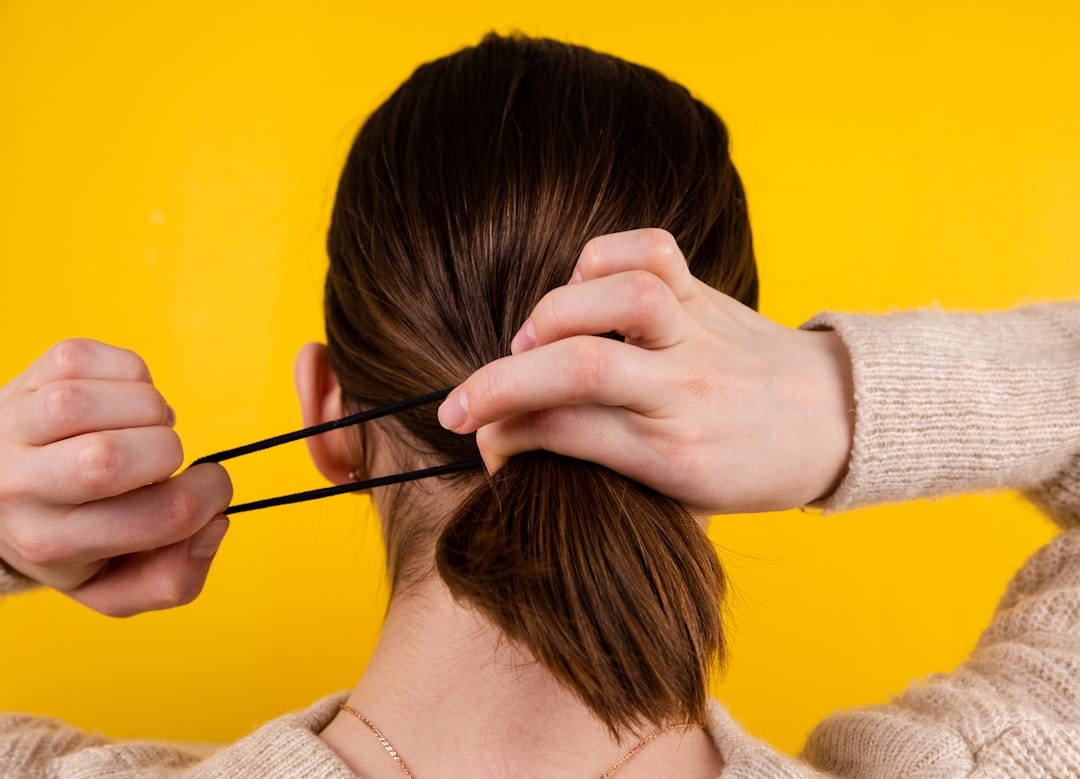
Begin with clean, dry or slightly damp hair. Completely wet hair won’t hold any style effectively. If your hair is freshly washed, allow it to air-dry or blow-dry it first. Slightly damp hair (not dripping, but with residual moisture) actually holds better than completely dry hair, as there’s a touch of grip between strands.
Gently brush your hair to remove all tangles. This step matters more than people realise: tangled hair won’t grip the pin, and you’ll spend twice as long securing your style. Consider using a paddle brush or wide-tooth comb, depending on your hair type. Thicker or curlier hair benefits from wider-tooth tools that won’t create frizz.
Creating a Section to Pin
Divide the hair you want to pin into a section roughly 2-3 inches (5-7cm) wide. The size depends on your hair density and the look you’re going for. Finer hair works better with smaller sections, whilst thicker hair can handle larger ones. Use clips to hold the rest of your hair away from the working section.
If you’re pinning a twist or braid, secure it completely first. Roll your section into a barrel curl, French twist, or simple twist depending on your desired style. The tighter the curl or twist, the more securely it will hold. Loose, casual waves require more pins to stay in place throughout the day.
The Insertion Method
Hold the hair pin between your thumb and first two fingers, with the wavy side facing into the curl or twist. This is crucial: the textured side must contact your hair, not your scalp. Position the pin at approximately a 45-degree angle to your head.
Push the pin firmly into the centre of your curl or twist, sliding it in smoothly. Don’t just place it on top—you need to drive it into the hair section itself. Push until the pin is nearly completely inserted, leaving just a small amount visible. The pin should feel snug against your scalp but not painfully tight.
As you insert the pin, twist it slightly—a quarter-turn rotation creates additional friction and grip. Many experienced hairstylists do this instinctively, but it’s the difference between a pin that holds for 8 hours and one that holds for 3.
Layering Multiple Pins
For most upstyles, you’ll need 3-5 pins depending on hair volume and style complexity. Insert the second pin perpendicular to the first, creating an X pattern through your curl. This cross-pattern distributes weight and prevents the entire style from rotating or shifting.
Space pins approximately 1-2cm apart for maximum holding power. Too many pins close together create visible bumps and look unpolished. Too few leave gaps where hair can slip. Finding the right balance takes practice, but most people discover their ideal spacing within 2-3 attempts.
Common Hair Pin Mistakes and How to Avoid Them
Using Smooth or Damaged Pins
Pins with a flattened wavy texture, or those that have become smooth from repeated use, simply won’t grip hair effectively. Replace pins annually or when the wave pattern becomes noticeably flattened. A box of 50 quality hair pins costs £3-6 in the UK and lasts most people 6-12 months with regular use.
Inserting Pins Too Superficially
Placing a pin on the surface of your curl rather than pushing it through creates a style that lasts 30 minutes at best. Commit to the insertion—go deep enough to feel resistance from your hair, but not so deep that you’re hurting your scalp. The pin should be gripping hair, not just resting against it.
Pinning Flat or Unstructured Hair
Hair that isn’t rolled, twisted, or curled has nothing for the pin to grip. Always create volume or structure first. Even a casual updo requires at least a loose twist or partial curl to provide texture for the pins to catch.
Forgetting About Hair Underneath
Many people focus on pinning the top section and forget to secure the underneath layers. Hair pinned only at the crown will slide down within hours, taking the entire style with it. Work from underneath first, securing lower sections before moving upward.
Hair Pin Techniques for Specific Styles
The Classic Chignon or Low Bun
Gather hair into a low ponytail at the nape of your neck. Twist the ponytail and wrap it around itself to create a bun shape, roughly 2-3 inches in diameter. Insert your first pin vertically through the centre of the bun, pushing it into the hair bundle and base. Add a second pin horizontally across the top of the bun, perpendicular to the first. A third pin at an angle through the side prevents rotation. This three-pin method creates a bun that can withstand 10+ hours of wear.
The Twisted Side Style
Section off hair from one side and twist it back toward the opposite side of your head. At the point where the twist meets the rest of your hair, insert a pin angled downward into the twist and anchored into the surrounding hair. Use two pins for finer hair, three for thicker hair. This creates a half-up style that works equally well for casual weekends and professional settings.
Loose Curls and Waves Secured with Pins
Create loose barrel curls using a large barrel brush or curling iron (1.5-2 inch barrels work best). Allow curls to cool completely before pinning—warm curls are unstable and won’t hold. Once cooled, secure each curl at the base with a single pin, angled downward into the curl base. Space curls 2-3 inches apart. This technique works beautifully for special occasions and creates a vintage-inspired look.
Seasonal Considerations and Styling Calendar
Spring and Summer Styles (March to August)
Warm, humid months require adjustments to your technique. Hair absorbs moisture in humidity, becoming heavier and potentially slipping from pins more easily. Compensate by using slightly firmer twists and an extra pin per section. Consider using a light hairspray or texturising spray before pinning—these products add grip without the stiffness of heavy-hold products. A light misting (not saturation) applied after pinning lasts all day without flaking.
Autumn and Winter Styles (September to February)
Cooler, drier months create the opposite challenge: static electricity. Hair becomes more prone to flyaways and frizz, though pins actually hold better in dry conditions. Use an anti-static spray or a tiny amount of smoothing serum before pinning to combat frizz. Winter calls for more elaborate updos, as pinned styles create a polished, sophisticated look perfect for festive occasions and professional winter events.
Eco-Friendly and Sustainable Hair Pin Practices
Quality hair pins represent one of the most sustainable styling tools available. Unlike single-use bobby pins or clips that end up in landfills, a well-made hair pin lasts years with proper care. Choose pins made from stainless steel or recycled metals rather than cheap plated options that shed their coating after months. Brands offering pin sets with recycling programmes have emerged across the UK market as of 2026, allowing you to return worn-out pins for proper recycling.
Wash your pins monthly by soaking them in warm water with a small amount of gentle shampoo, then drying thoroughly. This removes hair oils and product buildup that can damage the wavy texture over time. Store pins in a breathable container—cotton pouches work better than sealed plastic cases that trap moisture. A single set of quality pins, properly maintained, eliminates the need to repurchase every few months.
Troubleshooting Common Issues
Visible Bumps or Lumps Under Pinned Hair
This usually means you’re using too many pins or spacing them too closely. Reduce the number of pins and increase spacing to 1.5-2cm apart. Alternatively, your curls or twists may be too loose—tighten them before pinning for a smoother outline.
Pins Slipping Out Within Hours
Check three things: Are you inserting pins deep enough into your hair? Are your curls tight enough to provide grip? Are your pins damaged or flattened? Address each systematically. Start by ensuring your twist or curl is tight, then commit more firmly to the insertion, then examine your pins’ condition.
Hair Breakage Around Pinned Areas
You’re likely pinning too tightly or leaving pins in for too long. Hair pin styles shouldn’t feel painfully tight. Remove pins within 8-10 hours and massage your scalp gently. Never sleep in pinned styles—the extended pressure damages hair and causes breakage. Always release your hair before bed.
Static and Frizz Around Pinned Curls
Apply an anti-frizz serum or smoothing product to the pinned section immediately after styling. Keep a small travel bottle of anti-static spray in your bag for touch-ups throughout the day. On particularly dry days, mist your hair with water mixed with a drop of conditioner to restore moisture.
Frequently Asked Questions
How many hair pins do I need for a full updo?
Most full updos require 6-10 pins depending on hair volume. Finer hair typically needs 6-8 pins, whilst thicker hair needs 8-10. Each major section (the base, the sides, and the crown) should have at least two pins for stability.
Can I use hair pins on short hair?
Yes, though you’ll need at least 6-8 inches of length for the pins to grip effectively. Short updos benefit from the same technique as longer styles, just with fewer total pins. Very short pixie cuts won’t accommodate pins well.
What’s the difference between a hair pin and a bobby pin?
Hair pins feature a wavy or crinkled texture that grips hair through friction. Bobby pins are smooth, thin, and U-shaped, relying on tension and bending to hold hair. Hair pins hold heavier sections better and last longer in place, making them ideal for updos and structured styles.
How long can I safely wear a hair pin style?
Pin styles are safe to wear for up to 8-10 hours continuously. Beyond that, prolonged tension on the same hair section risks breakage. For all-day events, remove pins for at least an hour midday to relieve pressure on your scalp and hair. Never sleep in pinned styles.
Do hair pins work on all hair types?
Hair pins work exceptionally well on most hair types, with slight technique adjustments. Fine hair requires tighter twists and closer pin spacing. Curly hair grips pins naturally due to texture. Straight, silky hair may need a texturising spray before pinning. Experiment to find your hair type’s ideal approach.
Moving Forward: Mastering Hair Pin Styling
Hair pin mastery develops through hands-on practice. Your first attempt may yield a style that lasts four hours. Your tenth attempt might last twelve. By your twentieth try, you’ll instinctively know the right depth, angle, and number of pins for your specific hair texture and preferred styles.
Start with simpler styles—basic buns or low twists—before advancing to elaborate updos or decorative pinned curls. Each style teaches you something about how your hair grips and moves. Keep your pins clean, replace them annually, and don’t hesitate to experiment with different placements and techniques. The feedback from actually wearing these styles becomes your best teacher.
Consider investing in a quality set of stainless steel pins from reputable suppliers available across the UK (typically £8-15 for premium sets). Quality pins make learning easier and deliver results that justify the small investment. Your hairstyling toolkit deserves tools that work as hard as you do.